


Blogs
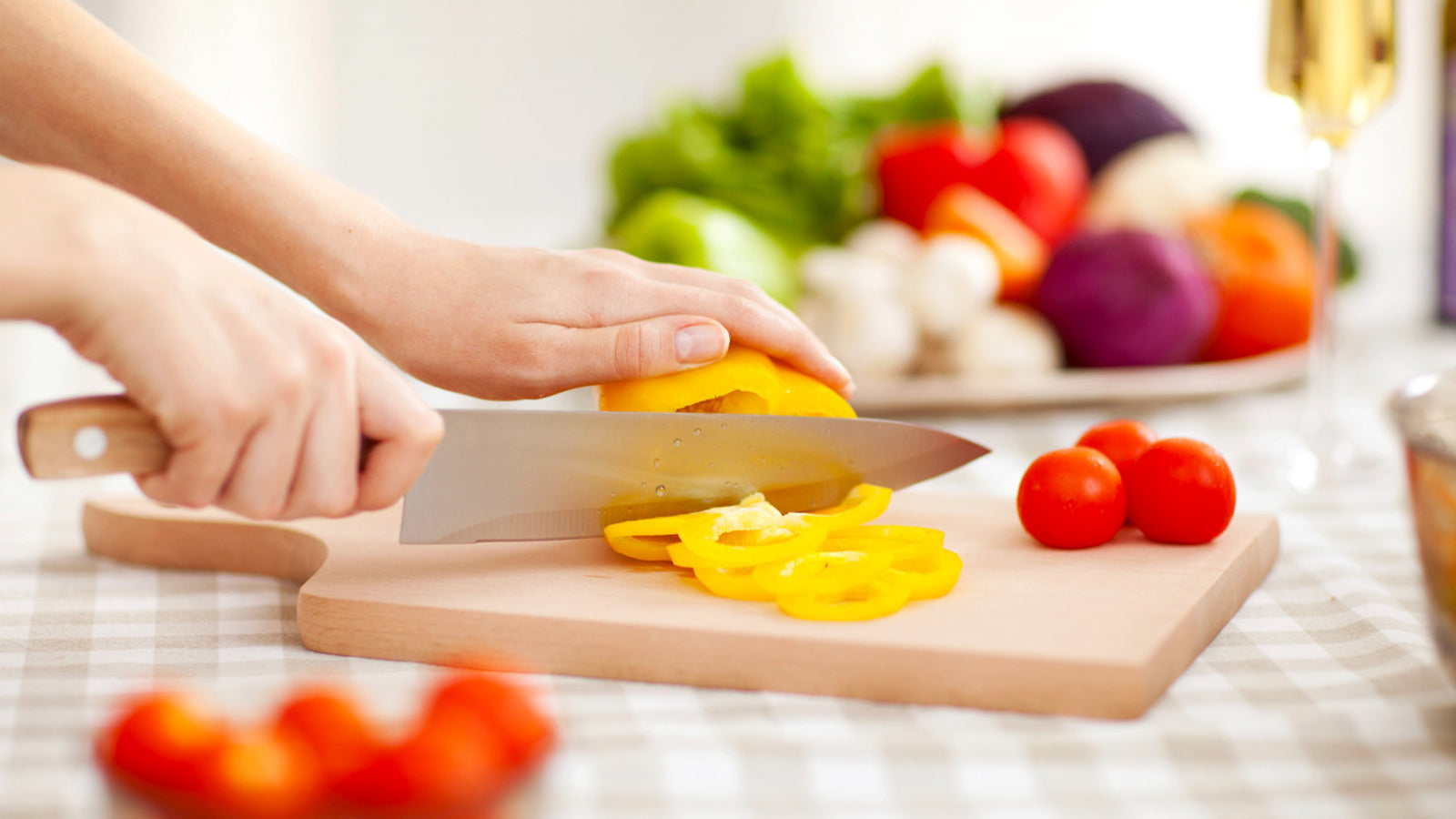

Nonstick Cookware for Beginner Cooks: Easy Recipes to Get Started
For new cooks, the thought of cooking can be daunting, especially when it comes to selecting the right cookware. With an overwhelming number of options available, it can be difficult to know which cookware will work best for specific recipes. However, nonstick cookware has become a go-to choice for beginners as it's user-friendly, requires minimal oil, and is effortless to clean. Why Choose Nonstick Cookware Nonstick cookware has a special coating that prevents food from sticking to the pan. This makes it easy to flip and stir ingredients without the need for excessive oil or butter, making it a healthier option. Nonstick cookware is also effortless to clean, requiring only soap and water or a quick wipe with a damp cloth. It is an ideal choice for beginner cooks who want to experiment with different recipes without the stress of food sticking to the pan. Choosing the Best Nonstick Cookware Brand for Beginner Cooks Sensarte is one of the best nonstick cookware brands for beginner cooks. Sensarte offers a range of nonstick cookware, including nonstick frying pans, crepe pans, deep frying pan skillets, griddle pans, stock pots and more. Our nonstick cookware is made with durable materials that distribute heat evenly and efficiently, making cooking a breeze. Sensarte's nonstick coating is PFOA-free, meaning it is safe for everyday use and does not release harmful chemicals. Easy Recipes for Beginner Cooks Scrambled Eggs Scrambled eggs are an easy and delicious breakfast option that can be made in a nonstick fry pan. Heat the nonstick frying pan on medium heat, add a tablespoon of butter, and let it melt. Crack two eggs into the pan and stir continuously until the eggs are cooked. Season with salt and pepper to taste, and serve hot. Stir-Fry Vegetables Stir-frying is an easy way to cook vegetables quickly and efficiently. Heat a nonstick skillet on medium-high heat, add a tablespoon of oil, and let it heat up. Add your chopped vegetables, such as carrots, broccoli, and bell peppers, and stir-fry for 2-3 minutes. Add a tablespoon of soy sauce, and stir-fry for an additional 2-3 minutes. Serve hot. Chicken Fajitas Chicken fajitas are a delicious and easy meal that can be made in a nonstick sauté pan. Heat the pan on medium heat, add a tablespoon of oil, and let it heat up. Add sliced chicken breast and cook for 3-4 minutes until browned. Add sliced bell peppers and onions and stir-fry for an additional 3-4 minutes. Serve with tortillas and your favorite toppings, such as cheese, salsa, and sour cream. Nonstick cookware is an indispensable tool for beginner cooks who want to experiment with different recipes without the stress of food sticking to the pan. Whether you're whipping up a quick stir-fry or a more elaborate dish, nonstick cookware makes cooking easier, faster, and healthier. With the right nonstick cookware from a reputable brand like Sensarte, you can be sure that your cookware will last for years to come, allowing you to create countless delicious meals for yourself and your loved ones. Remember to always follow the manufacturer's instructions for care and maintenance to ensure the longevity of your nonstick cookware. Happy cooking!
Learn more
Nonstick Lesson 103: How does Nonstick Coating Work
How does Nonstick Coating Work If examined under a microscope, essentially nonstick cookware will reveal that the surface is covered with thousands of tiny nooks and crannies that expand when heated. In fact, the fluorine atoms in PTFE provide a low-friction barrier between the food and the actual metal surface, preventing the product from sticking to the surface when heated. The nonstick material basically fills in those little nooks and crannies, smoothing the surface and providing the functionality of a nonstick pan. The same functionality can be achieved by using oil on surfaces that are not industrially coated with nonstick materials such as PTFE or ceramics. What are The Concerns about Nonstick Coatings While some concerns have been raised about the chemical composition of PTFE and its various adverse effects, especially when heated to temperatures above 500°F, most of these have not been found to be harmful to humans. Some other concerns have also been raised about the environmental unfriendliness of certain coated surfaces, but these are extreme views, and the industry has been able to address most of the issues. In short, all kinds of nonstick cookware are perfectly safe, and most are now produced sustainably with minimal harm to the environment. In fact, most major chemical manufacturing companies have pledged to stop using PFOA - perfluorooctanoic acid, which is thought to have harmful effects on humans. Stay safe and enjoy cooking!
Learn more
Nonstick vs Stainless Steel Pans
When you're shopping for cookware, whether you plan to stock your kitchen for the first time or buy something for a specific dish, the goals are efficiency and longevity. You need to buy the right equipment for the right job and make a concerted effort to use the tool the way it is intended. Therefore when shopping for a frying pan, should you buy a nonstick or stainless steel pan? If you're a regular cook, the short answer is that you need both. Knowledge of Nonstick Pans The core of a nonstick pan is usually made of aluminum and then coated with a nonstick material (PFOA-free Teflon or ceramic). A light, weightless pan might look ideal, but when choosing any pot or pan, you need a thicker, heavier bottom to distribute the heat evenly. Ideally the nonstick pan is oven proof and has an oven friendly coated handle. It's not necessary, but it comes in handy when you want to make baked egg dishes like omelettes. If you do get an oven-safe pan, you'll want to check how much heat the pan can handle. Exceeding this number could damage the pan and the food being cooked. When To Use Nonstick Pans Now that you know how to buy nonstick pans, let's talk about how you'll use them and take care of them. For starters, calorie reduction is the name of the game for the reasons above. Nonstick pans are able to do what they do because of their nonstick coating, and nonstick coatings can be affected by overheating. Stick to more delicate foods such as eggs, crepes, pancakes, and very delicate fish, which can be cooked on medium and low heat. Never sear in a nonstick pan. Searing requires high heat, and nonstick pans cannot be used with high heat. Also, you want to avoid acidic foods (like ketchup or wine) and nonstick cooking sprays. Acids can wear away the coating, and nonstick sprays can create residues that are hard to remove. Use oil or butter instead of nonstick spray. Next, a life rule worth repeating: Use wood, silicone, or rubber utensils on nonstick pans. And don't put nonstick pans in the dishwasher - they can't handle the heat of the dishwasher, even if the label tells you they can. The combination of heat and water is horrible for metals and, in this case, will destroy your coating. Lastly, I think it's important to remember to try as much as you can and never go over medium heat, or always remember to use certain utensils and avoid certain foods. Sometimes the nonstick is the only pan that is clean, sometimes all rubber spatulas are in the dishwasher, and sometimes you forget that you can't add a can of tomato sauce. Even with our best efforts, the coating on these pans will wear off. This is not anyone's failure, it is reality. If the food starts to stick, you can't stick with this nonstick pan any more. This pan has a quality that makes it worth your kitchen space. Once this quality doesn't work, it needs to be replaced. Don't scrape scrambled eggs with a wooden spoon for the next few years. To Be Continued…
Learn more
Cooking for Kids: Healthy and Fun Recipes the Whole Family Will Love
Cooking for kids can be a challenging task, especially when you're trying to strike a balance between delicious and nutritious. It's not always easy to get little ones excited about healthy meals, but with the right approach and a dash of creativity, you can transform mealtime into a fun and enjoyable experience for the whole family. In this blog post, we'll explore some fantastic recipes and cooking tips that will not only make your kids' taste buds dance but also ensure they're getting the nutrients they need. Getting Started: Kid-Friendly Ingredients Before we dive into the recipes, let's talk about some kid-friendly ingredients that should always be in your pantry and refrigerator: Fresh Fruits and Vegetables: Incorporate a variety of colorful fruits and veggies into your meals. Carrot sticks, cucumber slices, and apple wedges make excellent snacks. Whole Grains: Opt for whole-grain bread, pasta, and rice. They provide more fiber and nutrients than their refined counterparts. Lean Proteins: Choose lean sources of protein like skinless chicken, turkey, lean beef, and plant-based options like tofu and beans. Dairy or Dairy Alternatives: Include low-fat dairy products or dairy alternatives like almond milk for calcium. Healthy Fats: Avocado, nuts, and olive oil are excellent sources of healthy fats. Recipes: Healthy and Fun for Kids Veggie Popsicles: Create colorful and nutritious popsicles by blending fresh fruits like strawberries, bananas, and blueberries with spinach or kale. Pour the mixture into popsicle molds and freeze for a refreshing treat. Mini Veggie Pizzas: Set up a pizza-making station with whole-grain English muffins or pita bread, tomato sauce, and an assortment of veggie toppings. Let the kids assemble their mini pizzas and bake until the cheese is bubbly. Rainbow Pasta Salad: Cook whole-grain pasta and let it cool. Toss it with diced bell peppers, cherry tomatoes, cucumbers, and a light vinaigrette dressing. The vibrant colors will entice the little ones. Fruit Kebabs: Thread chunks of fresh fruit onto wooden skewers to create colorful fruit kebabs. Serve with a yogurt dip for added fun. DIY Burrito Bowls: Set up a burrito bowl bar with brown rice, black beans, grilled chicken, sautéed peppers and onions, salsa, and shredded cheese. Kids can customize their bowls with their favorite ingredients. Cooking Tips for Kids Involve Them: Encourage your children to participate in meal preparation. They can wash veggies, stir ingredients, or arrange food on plates. Make it Fun: Turn mealtime into an adventure. Use cookie cutters to shape sandwiches, create funny food faces on their plates, or come up with a food-themed story. Be Patient: Kids can be picky eaters, and it may take several tries before they develop a taste for certain foods. Keep offering a variety of options. Set a Good Example: Children are more likely to embrace healthy eating habits if they see their parents enjoying nutritious foods. Cooking for kids doesn't have to be a daunting task. With a bit of planning and creativity, you can prepare meals that are both nutritious and enjoyable. These recipes and tips are just a starting point. Feel free to experiment and discover what works best for your family. By making healthy eating a fun and interactive experience, you'll not only nourish your children's bodies but also foster a lifelong love for wholesome foods.
Learn more
A Look at The Environmental and Sustainability Effects of Nonstick Cookware
Nonstick cookware has been a game-changer in the kitchen, making cooking easier, faster, and less messy. However, the widespread use of nonstick cookware has led to concerns about its impact on the environment and sustainability. Most nonstick cookware is made using a synthetic coating known as PTFE (polytetrafluoroethylene), which is non-biodegradable and can take hundreds of years to break down in landfills. When disposed improperly, nonstick cookware can contribute to the accumulation of waste and pollution in the environment. Furthermore, the production of PTFE requires the use of toxic chemicals, such as perfluorooctanoic acid (PFOA), which has been linked to various health problems, including cancer and reproductive issues. The manufacturing process of PTFE also generates greenhouse gases, contributing to climate change. Despite these concerns, the use of nonstick cookware is still prevalent in kitchens all around the world. So, what can we do to mitigate the impact of nonstick cookware on the environment and our health? One solution is to invest in high-quality nonstick cookware from trusted brands like Sensarte. Sensarte offers a range of nonstick cookware options, including a selection of cookware made with granite stone coating, which is a more sustainable alternative to PTFE. Granite stone nonstick cookware is an eco-friendly option as it utilizes a natural coating that doesn't contain PTFE or PFOA, making it safer and more sustainable than traditional nonstick cookware. Another way to reduce the impact of nonstick cookware is to extend its lifespan. Proper care and maintenance can help prevent scratches and other damage to the nonstick coating, which can shorten the lifespan of the cookware. Using nonstick utensils and avoiding high heat can also help to preserve the nonstick coating. When it comes time to dispose of nonstick cookware, it’s important to do so responsibly. Some cities have specific recycling programs for cookware, and it’s worth checking with your local recycling center to see if they accept nonstick cookware. Alternatively, some manufacturers offer take-back programs or recycling options for their products. Finally, reducing our overall consumption of nonstick cookware can have a positive impact on the environment. Opting for alternative materials like stainless steel or cast iron can help to reduce our reliance on nonstick cookware, while also offering their own unique benefits for cooking. In summary, the impact of nonstick cookware on the environment and sustainability is a complex issue, but there are steps we can take to mitigate its negative effects. By choosing high-quality nonstick cookware from trusted brands like Sensarte, extending its lifespan through proper care and maintenance, and being mindful of its disposal, we can enjoy the convenience of nonstick cookware while also protecting our planet and health.
Learn more
From Kitchen to Wellness: The Surprising Health Benefits of Cooking at Home
Cooking at home has always been a popular pastime, but it has become even more important in recent years due to the focus on healthy living. With the help of high-quality cookware like Sensarte nonstick cookware, it's easier than ever to create delicious and nutritious meals in the comfort of your own kitchen. But why is cooking at home so beneficial for your health? Let's explore some of the key health benefits of cooking at home. Control over Ingredients One of the biggest advantages of cooking at home is that you have complete control over the ingredients you use in your meals. This means you can select high-quality, whole foods and avoid the processed and unhealthy options often found in pre-packaged meals and restaurant dishes. By using fresh ingredients and minimizing the use of unhealthy additives like salt and sugar, you can create meals that are not only delicious but also nourishing for your body. Portion Control Another advantage of cooking at home is that you have greater control over the portion sizes of your meals. Restaurant portions are often much larger than what you would typically serve yourself at home, which can lead to overeating and weight gain. By preparing your meals at home, you can make sure that you're eating the right amount of food to meet your nutritional needs without overindulging. Reduced Intake of Unhealthy Ingredients Cooking at home can also help you reduce your intake of unhealthy ingredients like sodium and trans fats. Many pre-packaged and restaurant meals are loaded with these unhealthy additives, which can contribute to high blood pressure, heart disease, and other health problems. By preparing your meals at home with fresh ingredients and healthier cooking methods, you can avoid these unhealthy ingredients and improve your overall health. Increased Physical Activity Not only can cooking at home provide a delicious meal, but it can also lead to improved physical fitness. Preparing meals often requires standing, chopping, stirring, and other physical activities that can help you burn calories and improve your overall fitness. By making cooking a regular part of your routine, you can incorporate more physical activity into your day and enjoy the health benefits that come with an active lifestyle. Improved Mental Health In addition to the physical benefits of cooking at home, there are also mental health benefits. Preparing meals can be a relaxing and enjoyable activity, providing an outlet for creativity and a sense of accomplishment. Eating home-cooked meals can also foster a sense of connection with family and friends, which can help reduce stress and improve overall well-being. Cooking at home is a simple yet effective way to improve your overall health and well-being. By using high-quality cookware like Sensarte nonstick cookware and focusing on fresh, whole ingredients, you can create delicious and nutritious meals that support a healthy lifestyle. So why not start exploring the benefits of cooking at home today? Your body and wallet will thank you for it!
Learn more
Mastering the Art of Cooking Eggs Perfectly with Nonstick Cookware
Eggs are a staple in most households, whether it's for breakfast, lunch, or dinner. They are versatile, easy to prepare, and delicious. However, cooking eggs can be a challenge, especially if you don't have the right cookware. One essential tool in achieving egg-cellence in the kitchen is nonstick cookware. With its superior nonstick surface, Sensarte nonstick cookware ensures that your eggs slide effortlessly off the pan, resulting in delicious, healthy, and beautifully cooked eggs every time. Why Nonstick Cookware is Ideal for Cooking Eggs Nonstick cookware is perfect for cooking eggs because it prevents them from sticking to the pan, making it easy to flip and slide them out of the pan. This is particularly important when making delicate egg dishes such as omelets, frittatas, and scrambled eggs, which can easily break apart or stick to the pan. Another advantage of nonstick cookware is that it requires less oil or butter to cook eggs. This means you can enjoy your favorite egg dishes without worrying about consuming too much fat. Tips and Tricks for Cooking Eggs in Nonstick Cookware Use A Nonstick Fry Pan or Skillet A nonstick fry pan or skillet is the best cookware for cooking eggs. The flat surface and shallow sides of a fry pan make it easy to flip and slide the eggs out of the pan. A skillet is also ideal for cooking sunny-side-up eggs as the wider surface area allows you to cook multiple eggs at once. Preheat the Pan Preheating your nonstick pan is essential for ensuring that the eggs cook evenly and don't stick to the pan. Heat the pan over medium heat for a few minutes before adding the eggs. You can test the temperature of the pan by adding a drop of water to the surface. If it sizzles, the pan is ready. Use the Right Amount of Oil or Butter Although nonstick cookware requires less oil or butter, it's essential to use the right amount to prevent the eggs from sticking to the pan. For sunny-side-up eggs, add a small amount of oil or butter to the pan before cracking the eggs. For scrambled eggs, add a tablespoon of butter or oil per two eggs. Crack the Eggs into A Separate Bowl To ensure that no eggshells get into your dish, it's a good idea to crack the eggs into a separate bowl before adding them to the pan. This will also help ensure that the eggs are evenly cooked. Cook on Medium Heat Cooking eggs on medium heat is the best way to ensure that they cook evenly without burning or sticking to the pan. If the heat is too high, the eggs will cook too quickly, and if it's too low, they will take longer to cook and may stick to the pan. Use A Non-metal Spatula When cooking eggs in nonstick cookware, it's important to use a non-metal spatula to prevent scratching the coating. A silicone or nylon spatula is ideal for flipping and stirring the eggs. Delicious Egg Recipes to Try with Nonstick Cookware Here are some delicious egg recipes that you can try with your nonstick cookware: Classic Fluffy Scrambled Eggs: Whisk together eggs, a splash of milk, salt, and pepper in a bowl. Heat your Sensarte nonstick frying pan over medium-low heat, add a small amount of butter or oil, and pour in the egg mixture. Gently stir until the eggs are cooked to your desired consistency. Serve with toast or your favorite breakfast sides. Vegetable Omelet: Heat your Sensarte nonstick sauté pan over medium heat, add a bit of oil, and sauté your favorite vegetables, such as bell peppers, onions, and spinach. In a separate bowl, whisk together eggs, salt, and pepper. Pour the egg mixture over the sautéed vegetables and cook until set. Fold the omelet in half and serve with a sprinkle of cheese on top. Perfectly Fried Eggs: Heat your Sensarte nonstick griddle pan over medium heat, add a drizzle of oil or a pat of butter, and crack your eggs directly into the pan. Cook until the whites are set, and the yolks are still slightly runny. Sprinkle with salt and pepper, and enjoy with a side of crispy bacon or avocado slices. Achieving the perfect eggs every time is possible with nonstick cookware. With the right techniques and recipes, you can enjoy delicious and healthy egg dishes without worrying about them sticking to the pan or consuming too much fat. Upgrade your kitchen with Sensarte nonstick cookware and start mastering the art of cooking eggs today!
Learn more
Examining the Health Effects of Nonstick Cookware on Your Well-being
In today's health-conscious world, the choice of cookware can play a significant role in our overall well-being. With the growing popularity of nonstick cookware, such as Sensarte Cookware, it's important to understand its impact on our health. Nonstick cookware offers numerous benefits, including easy food release and effortless cleanup. However, it's crucial to be aware of the potential health implications associated with nonstick coatings. Sensarte Cookware is a renowned brand that offers a wide range of high-quality nonstick cookware options. The nonstick surface allows for easy cooking and requires minimal oil or fats, making it an ideal choice for those striving for healthier meals. With Sensarte Cookware, you can enjoy the convenience of nonstick cooking without compromising on taste or quality. One of the primary concerns surrounding nonstick cookware is the use of a chemical compound called polytetrafluoroethylene (PTFE) in the manufacturing of the nonstick coating. When exposed to high heat, PTFE can release toxic fumes, which can be harmful if inhaled. However, Sensarte Cookware addresses this concern by using PFOA-free nonstick coatings, ensuring a safer cooking experience. Another consideration is the potential for the nonstick coating to degrade over time and release particles into your food. While this may occur with poor-quality nonstick cookware, Sensarte Cookware is designed with durability in mind. Their nonstick coatings are built to last, reducing the risk of coating deterioration and ensuring the safety of your meals. To further enhance the health benefits of nonstick cookware, it's essential to follow proper usage and maintenance guidelines. Avoid using metal utensils that can scratch the nonstick surface, as this can lead to the release of harmful particles. Instead, opt for silicone, nylon, or wooden utensils that are gentle on the coating. Additionally, always hand wash your nonstick cookware with mild dish soap and a soft sponge to preserve its nonstick properties and extend its lifespan. When used correctly and with proper care, Sensarte Cookware can be a valuable addition to your kitchen, offering convenience and healthier cooking options. By utilizing the nonstick surface effectively, you can reduce the need for excess oils and fats, resulting in lighter and more nutritious meals. In conclusion, nonstick cookware, including Sensarte Cookware, can have a positive impact on your health when used responsibly. With its PFOA-free coatings and durable construction, Sensarte Cookware offers a safer and more convenient cooking experience. By understanding how to use and maintain nonstick cookware properly, you can enjoy the benefits of easy food release and effortless cleanup without compromising your health. Investing in high-quality nonstick cookware like Sensarte Cookware is a step towards creating a healthier kitchen environment and embracing a more mindful approach to cooking. So, equip your kitchen with Sensarte Cookware and embark on a journey to healthier and tastier meals.
Learn more
Exploring the World of Gluten-Free Cooking: Delicious Options for Gluten-Free Diets
In recent years, gluten-free diets have gained popularity for various reasons. Some individuals adopt this diet due to celiac disease, a severe autoimmune disorder triggered by gluten ingestion. Others may choose it to alleviate gluten sensitivity or simply embrace it as a lifestyle choice for its potential health benefits. Regardless of the motivation behind going gluten-free, the world of culinary options has expanded exponentially to accommodate this dietary shift. If you're venturing into the realm of gluten-free cooking or are already an enthusiast, you'll find a treasure trove of delicious possibilities awaiting you. The key is to approach gluten-free cooking with an open mind, embracing new ingredients and techniques that can elevate your culinary experience. Understanding Gluten and Gluten-Free Diets First, let's clarify what gluten is. Gluten is a protein found in wheat, barley, rye, and their derivatives. For individuals with celiac disease or gluten sensitivity, consuming gluten can lead to digestive discomfort and long-term health issues. Hence, gluten-free diets have become crucial for managing these conditions. Essentials of Gluten-Free Cooking When transitioning to a gluten-free diet, it's essential to know which foods are naturally gluten-free and which are not. Here are some basics: Naturally Gluten-Free Foods: Fruits and Vegetables: Nature's bounty of fruits and vegetables is entirely gluten-free. They're versatile and can be used in various dishes, from smoothies to salads and stir-fries. Meats and Fish: Fresh cuts of meat, poultry, and fish are naturally gluten-free. However, be cautious of processed meats like sausages, which may contain hidden gluten. Dairy: Milk, cheese, yogurt, and butter are typically gluten-free. Ensure to check labels on flavored dairy products for any added gluten. Beans and Legumes: Beans, lentils, and chickpeas are excellent sources of protein in gluten-free diets. They can be used in soups, stews, and salads. Gluten-Free Grains and Alternatives: Rice: A staple in many cuisines, rice is naturally gluten-free and incredibly versatile. Quinoa: This protein-packed grain is gluten-free and perfect for salads, grain bowls, and as a side dish. Corn: Corn and its derivatives like cornmeal and cornstarch are gluten-free. Corn tortillas and polenta are popular gluten-free choices. Gluten-Free Flour: Various gluten-free flours like rice flour, almond flour, coconut flour, and tapioca flour are available for baking. Cookware for Gluten-Free Cooking When embarking on your gluten-free cooking journey, having the right cookware can make a significant difference. Sensarte offers a range of nonstick cookware that's perfect for gluten-free cooking. Our nonstick surface ensures easy food release without the need for excess oil, making your gluten-free creations both healthier and hassle-free. Delicious Gluten-Free Recipes Now, let's dive into some delectable gluten-free recipes that will please your palate: Gluten-Free Pasta Primavera: Swap traditional pasta with gluten-free alternatives like rice or corn pasta. Toss it with fresh sautéed vegetables, olive oil, and your choice of gluten-free seasonings. Grilled Chicken with Quinoa Salad: Grill marinated chicken breasts to perfection and serve them alongside a colorful quinoa salad loaded with fresh veggies and a zesty dressing. Baked Salmon with Lemon Herb Crust: Coat salmon fillets in a gluten-free breadcrumb mixture made from gluten-free bread or cornflakes and bake until crispy. Gluten-Free Pizza: Experiment with gluten-free pizza crust made from cauliflower, almond flour, or a gluten-free flour blend. Top it with your favorite gluten-free toppings and enjoy a slice of heaven. Chocolate Flourless Cake: Indulge your sweet tooth with a decadent flourless chocolate cake made from high-quality cocoa and almond flour. Incorporating these recipes into your gluten-free cooking repertoire can bring joy and variety to your meals. With the right ingredients, cookware, and a dash of creativity, you'll discover that gluten-free cooking is not only manageable but also incredibly delicious. Gluten-free cooking has evolved, offering a wide range of scrumptious options to suit various tastes and dietary needs. Whether you're following a gluten-free diet due to health reasons or simply want to explore new culinary horizons, embracing gluten-free cooking can be a rewarding journey. Equip yourself with the right knowledge, cookware like Sensarte's nonstick collection, and a sense of adventure, and you'll be on your way to creating gluten-free masterpieces that delight the senses.
Learn more