


Blogs

Is Ceramic Cookware Safe? A Complete Guide for Home Cooks
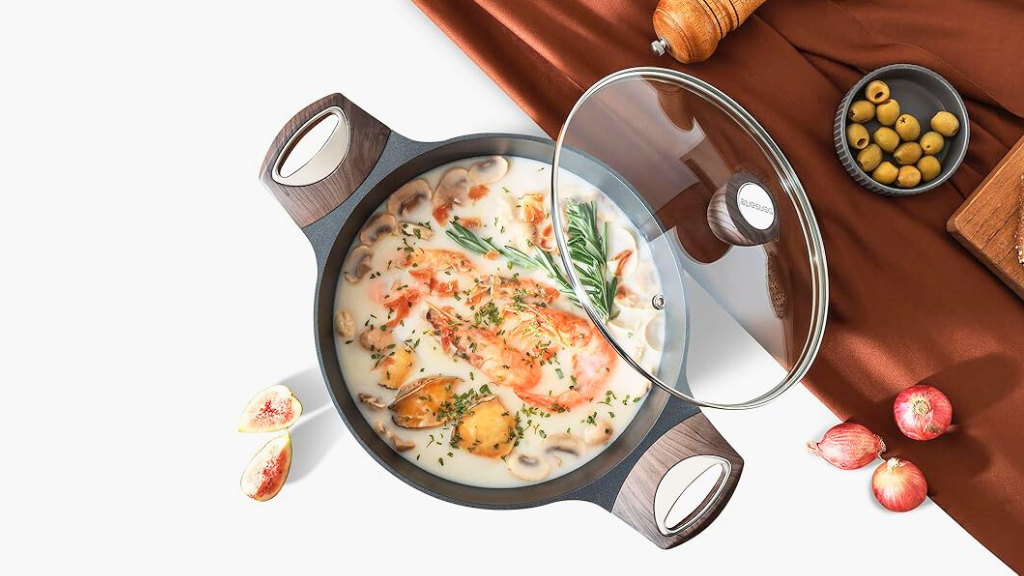
Cooking at home is more popular than ever, and with that comes the big question: What cookware should I be using? Health-conscious home cooks are paying closer attention to the materials in their pots and pans. One option that has been gaining popularity in American kitchens is ceramic cookware. It’s praised for being non-toxic, stylish, and easy to clean—but is it really safe? In this post, we’ll explore the safety of ceramic cookware, how it compares to alternatives that may contain harmful substances, its pros and cons, and tips for keeping your pans in top condition. What Is Ceramic Cookware? At its core, ceramic cookware refers to pans and pots made either from solid ceramic or metal coated with a ceramic non-stick surface. This type of cookware has become a go-to for people looking to avoid traditional non-stick coatings made with PTFE or PFOA. Pure Ceramic vs. Ceramic-Coated Cookware Pure ceramic cookware is made entirely from natural clay that is baked and glazed. It’s heavy, extremely durable, and can withstand high oven temperatures. However, it tends to be more expensive and less common in everyday households. Ceramic coated cookware is more popular in American kitchens. These pans are usually made of aluminum or stainless steel with a ceramic-based coating that gives them non-stick properties. They’re lightweight, affordable, and widely available. How Ceramic Non-Stick Surfaces Are Made Ceramic coatings are typically created using a process called sol-gel, where silica (a natural material found in sand and quartz) is transformed into a gel that forms the non-stick layer. This surface is free of PTFE and PFOA, making it appealing to health-conscious buyers. Are Ceramic Pans Safe for Everyday Cooking? Safety is one of the biggest selling points of ceramic cookware, but not all ceramic pans are created equal. Safety Standards & FDA Regulations In the U.S., the Food and Drug Administration (FDA) regulates cookware coatings to ensure they don’t leach harmful substances into food. High-quality ceramic cookware that complies with FDA standards is considered safe for everyday cooking. Potential Risks with Low-Quality Ceramic Pans The risk comes with cheap or poorly made ceramic pans. Low-quality coatings can break down quickly, leading to chipping or uneven surfaces. If the ceramic coating wears off, you’re left cooking on bare aluminum or metal, which may not be ideal for certain foods. How to Identify Safe Ceramic Cookware Brands When shopping, look for: FDA-approved labels Lead- and cadmium-free certifications Brands with strong reputations and positive reviews Warranty or safety guarantees Trusted brands like Sensarte invest in testing and certifications to ensure their cookware is safe and durable. Is Ceramic Non Stick Safe Compared to Other Options? Ceramic cookware is often compared to Teflon (PTFE) non-stick pans, which have been popular for decades but come with safety concerns. Ceramic vs. Teflon (PTFE) Non-Stick Coatings Teflon pans (especially older ones made before 2013) were made with PFOA, a chemical linked to health risks when overheated. Modern PTFE coatings no longer contain PFOA, but they can still degrade at very high temperatures. Ceramic coatings are PTFE- and PFOA-free, making them a cleaner, safer option for those who worry about chemical exposure. Heat Tolerance & Chemical-Free Cooking Ceramic coatings can typically withstand higher temperatures—up to 500°F or more—without breaking down. This makes them great for searing, stir-frying, and oven use. Unlike PTFE coatings, ceramic doesn’t release harmful fumes if accidentally overheated. Ceramic Cookware Pros and Cons Like any cookware material, ceramic has its strengths and weaknesses. Pros: Non-Toxic, Easy Cleaning, Stylish Designs Non-toxic and chemical-free: No PTFE, PFOA, or heavy metals. Easy to clean: Food slides off smoothly, often with just soap and water. Attractive look: Ceramic pans come in modern, stylish designs that fit well in American kitchens. Cons: Durability, Price, and Potential Chipping Price: High-quality ceramic cookware costs more than basic non-stick pans. Chipping risk: Dropping or using metal utensils can cause chips in the surface. Tips for Using and Maintaining Ceramic Cookware Safely With the right care, ceramic pans can last longer and stay safe for daily use. Best Cooking Utensils to Use with Ceramic Pans Wooden, silicone, or nylon utensils are best. Avoid metal utensils, which can scratch and chip the coating. Cleaning & Storage Tips Wash with mild dish soap and a soft sponge—never use steel wool. Let pans cool before washing to avoid thermal shock. Stack pans carefully or use pan protectors to prevent scratches. How to Extend the Life of Ceramic Non-Stick Cook on medium heat—ceramic conducts heat efficiently, so high heat isn’t necessary. Use a small amount of oil or butter to enhance non-stick performance. Avoid aerosol cooking sprays, which can damage the coating. Final Verdict: Should You Switch to Ceramic Cookware? So, is ceramic cookware safe? The short answer: Yes—when you buy from reputable brands and care for it properly. Summary of safety, benefits, and drawbacks Safe: Free from PTFE, PFOA, and toxic heavy metals. Benefits: Great for health-conscious cooks, easy to clean, attractive design. Drawbacks: Less durable than stainless steel or cast iron, can chip, and may need replacing every few years. Recommendation for different types of home cooks Health-conscious families: Ceramic cookware is a safe, non-toxic option for daily meals. Busy home cooks: Easy cleaning makes ceramic pans convenient for weeknight cooking. Serious chefs or heavy users: Pair ceramic pans with stainless steel or cast iron for long-term durability. If you’re ready to switch, brands like Sensarte offer ceramic cookware that meets U.S. safety standards, balances style with performance, and brings peace of mind to your cooking routine.
Learn more
Nonstick vs Stainless Steel Pans
Knowledge of Stainless Steel Pans The stainless steel pot is your kitchen workhorse. Look for a multi-layer pan with an aluminum or copper core. Aluminum and copper are heat conductors, and these materials are then coated with stainless steel, which gives the pan a nice non-reactive surface. Like its nonstick sibling, you need a pan with a heavier bottom for maximum, even heat transfer. Thin, lightweight pans are more prone to hot spots and dents more easily. When to Use Stainless Steel Pans You can cook almost anything in a stainless steel pan. They can be more difficult to clean, but if you use enough heat and fat, most foods won't stick to the pan because they'll sear, creating a crust that will release from the bottom. Foods that require higher heat aren't the only items you can trust with the stainless steel pan: Acidic foods, metal utensils, and nonstick sprays are also welcome. Plus, these pans can withstand higher heat on the stove and oven, making them ideal for menu items that require a high sears and oven finish, like steak, chicken, pork, and braises. If you're cooking like a small whole chicken, you can even use the larger version as a roaster. When cleaning a stainless steel pan, you need to wait for the pan to cool down to avoid deformation or damage to the pan. We do not recommend putting stainless steel pans in the dishwasher. When cleaning, soaking might get you sorted if something is more difficult to remove, but if not, try some scrubs. Choose the Right Pan The main thing to keep in mind when using these pans is that they will work for you, but in order to do so, you must choose the right one for the dish you are making. Using the right equipment will not only make it last longer, it will also make you a better cook. So turn the heat down and make some crepes, or turn it up a little bit and grill your favorite protein or veggies to a deep golden brown. Lastly, hand wash the pans whenever possible.
Learn more
Perfect Your Holiday Feast: Expert Cooking Tips for the Season
The holiday season is a time for togetherness, celebration, and, of course, indulging in delicious food. Preparing the perfect holiday feast may seem daunting, but with the right tools and techniques, it can be an enjoyable experience. Whether you’re a seasoned chef or a kitchen novice, these tips will help you create a memorable meal for your loved ones. Plus, we’ll show you how using Sensarte Cookware can elevate your cooking game and make the process smoother. 1. Plan Your Menu in Advance A successful holiday feast starts with a well-thought-out menu. Consider the tastes and dietary preferences of your guests, and aim for a balance of dishes. Include: A hearty main course (like roast turkey or glazed ham). Side dishes (think creamy mashed potatoes, roasted vegetables, or stuffing). A mix of warm and cold appetizers. Desserts to finish on a sweet note. With a clear plan, you can avoid last-minute scrambling and ensure every dish gets the attention it deserves. 2. Prep Ahead of Time Cooking a multi-course meal in a single day can be overwhelming. Save time and stress by prepping ingredients and dishes in advance: Chop vegetables and store them in airtight containers. Marinate meats a day ahead for enhanced flavor. Pre-bake or partially cook certain dishes, like casseroles or pies. With Sensarte Nonstick Cookware, your prep work becomes more efficient. For instance, sautéing onions or garlic in a Sensarte Nonstick Frying Pan Skillet ensures they cook evenly without sticking, making cleanup a breeze. 3. Invest in Quality Cookware The tools you use in the kitchen play a significant role in the outcome of your dishes. Sensarte Cookware, known for its durability and superior nonstick performance, is a must-have for your holiday feast. Here’s why: Nonstick Surfaces: Prevents food from sticking, so you can cook delicate items like crepes or fish fillets with ease. Even Heat Distribution: Ensures your dishes cook uniformly, avoiding burnt edges or undercooked centers. Versatility: With detachable handles, Sensarte nonstick pans can transition from stovetop to oven, making them ideal for dishes like frittatas or baked pasta. 4. Master Your Timing Cooking multiple dishes simultaneously requires excellent timing. Start with recipes that take the longest and work your way down. Use timers and set reminders to avoid overcooking or forgetting items in the oven. For instance, while your roast turkey is in the oven, you can use your Sensarte Nonstick Grill Pan to prepare side dishes like charred Brussels sprouts or grilled asparagus. Its efficient design lets you multitask without worrying about food sticking or burning. 5. Add a Personal Touch Make your holiday feast truly special by adding personal touches. This could be a family recipe, a unique spice blend, or a creative garnish. Sensarte Cookware helps you achieve these details effortlessly. For example: Use a Sensarte Nonstick Sauce Pan to simmer a homemade cranberry sauce, ensuring it doesn’t scorch. Create a luscious gravy in a Sensarte Nonstick Deep Frying Pan, taking advantage of its even heat distribution to eliminate lumps. 6. Keep Your Kitchen Organized A clutter-free kitchen is essential for a smooth cooking experience. Keep your workspace tidy by: Washing utensils and cookware as you go. Setting up stations for chopping, mixing, and cooking. Using Sensarte’s stackable cookware to save counter space. An organized kitchen not only reduces stress but also lets you focus on the joy of cooking. 7. Serve with Style Presentation is key to impressing your guests. Arrange dishes on beautiful platters and garnish them creatively. Even the simplest dishes can look gourmet with the right presentation. For stovetop-to-table convenience, Sensarte Nonstick Cookware shines. With its sleek design, you can serve dishes straight from the pan, maintaining their warmth and saving on cleanup. 8. Don’t Forget Dessert A holiday feast is incomplete without a sweet ending. Use your Sensarte Nonstick Sauce Pan to prepare caramel sauce for a festive bread pudding or a chocolate ganache for a decadent cake. The nonstick surface ensures even heating and hassle-free cleanup, so you can focus on perfecting your dessert. 9. Engage Your Guests Holiday cooking doesn’t have to be a solo endeavor. Invite family members or friends to help out in the kitchen. Assign tasks like peeling vegetables, stirring sauces, or setting the table. Cooking together not only lightens the workload but also creates cherished memories. 10. Embrace Imperfection Finally, remember that no feast is perfect. A burnt edge or a slightly overcooked dish won’t overshadow the love and effort you’ve poured into the meal. Focus on the joy of bringing everyone together and savor the moment. Conclusion Creating the perfect holiday feast is as much about the experience as it is about the food. With thoughtful planning, quality tools like Sensarte Cookware, and a touch of creativity, you can turn your kitchen into the heart of holiday celebrations. So, roll up your sleeves, grab your Sensarte nonstick pans, and start cooking up a feast that’ll leave your guests raving! Happy Holidays and happy cooking!
Learn more