


Blogs
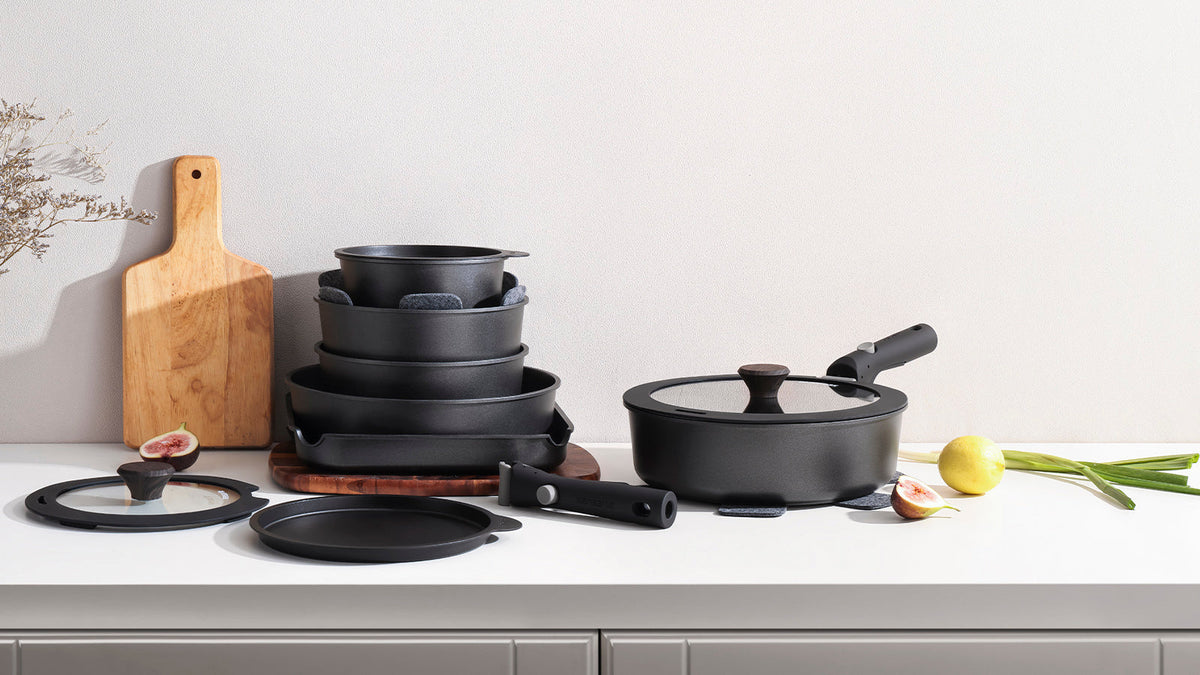

Festive Season Feasts: SENSARTE Cookware, Your Key to Effortless Holiday Cooking
The holiday season is synonymous with warmth, joy, and of course, sumptuous feasts. As you prepare to dazzle your loved ones with a culinary spread that's both festive and memorable, the choice of cookware becomes paramount. Enter Sensarte Cookware, your trusted companion in the kitchen, with its innovative line of nonstick cookware designed to make your holiday cooking experience seamless, efficient, and delightful. The Sensarte Advantage in Festive Cooking Precision in Cooking: The holidays call for perfection in every dish, and Sensarte Nonstick Cookware ensures just that. From the main course to delicate desserts, the advanced nonstick coating guarantees an even cook and easy release, letting you present flawlessly cooked dishes every time. Versatility for Varied Menus: Whether you're planning a classic roast, a vegetarian feast, or an array of delectable desserts, Sensarte Nonstick Pans rise to the occasion. With a range of cookware options, from deep frying pans to sauté pans and griddles, you have the tools to execute diverse recipes with finesse. Easy Cleanup for More Enjoyment: Holidays are meant for celebrating, not spending excessive time in the kitchen or scrubbing pots and pans. Sensarte's nonstick surface facilitates hassle-free cleanup, allowing you to savor the festivities without dreading the aftermath. Healthy Cooking, Happy Celebrations: Amidst the indulgence of holiday treats, Sensarte Cookware promotes healthy cooking. Use less oil in your recipes without compromising on taste, contributing to a balanced and wholesome holiday spread. Must-Have Sensarte Cookware Pieces for Your Holiday Kitchen Sensarte Nonstick Roasting Pan: Craft the centerpiece of your holiday table with a perfectly roasted turkey or ham. The nonstick surface ensures that your roasts brown evenly while providing easy pan drippings for rich gravies. Sensarte Nonstick Griddle Pan: Pancakes, French toast, or seared vegetables for a festive side - this griddle pan is a versatile addition to your holiday kitchen, allowing you to cook multiple items simultaneously. Sensarte Nonstick Deep Frying Pan: Fry up delightful appetizers, from crispy latkes to tempura vegetables. The deep sides of this pan prevent oil splatter, and the nonstick coating ensures a uniform fry. Sensarte Nonstick Sauce Pan: From cranberry sauce to velvety chocolate ganache, this saucepan is your go-to for all your saucy needs. The nonstick interior guarantees smooth and easy pouring. Creating Unforgettable Memories Beyond the recipes and the cookware, the holidays are about creating lasting memories. With Sensarte Cookware as your culinary ally, you can confidently embark on a gastronomic journey, knowing that your cookware is as dedicated to the perfection of your dishes as you are. This holiday season, let the festivities begin in your kitchen, where the magic of Sensarte Nonstick Cookware transforms every recipe into a masterpiece. Elevate your festive cooking, embrace the joy of the season, and make this holiday one to remember with Sensarte Cookware. Happy cooking and happy holidays!
Learn more
Exploring the Delights World of Cheese: Pairings and Tasting Adventures
Cheese, with its myriad flavors, textures, and aromas, is a culinary delight that has been cherished by cultures around the world for centuries. From creamy bries to sharp cheddars, each cheese offers a unique sensory experience that can be enhanced through thoughtful pairings and tasting techniques. In this blog post, we'll delve into the fascinating world of cheese, exploring different types, pairing suggestions, and tips for hosting your own cheese tasting experience. And with the reliability and versatility of Sensarte Nonstick Cookware in your kitchen, you'll have the perfect tools to complement your cheese adventures. Understanding Cheese Before diving into cheese pairing and tasting, it's essential to understand the basic categories and characteristics of cheese. Cheese can be broadly categorized based on factors such as texture (soft, semi-soft, semi-hard, hard), milk type (cow, goat, sheep), and aging process (fresh, aged). Each type of cheese offers its unique flavor profile, ranging from mild and creamy to sharp and pungent. Types of Cheese From soft and creamy to hard and crumbly, cheese comes in a wide variety of styles, each with its own distinct characteristics. Some popular types of cheese include: Brie: A soft, creamy cheese with a mild flavor and edible rind. Cheddar: A firm cheese with a sharp, tangy flavor that varies depending on age. Gouda: A semi-hard cheese with a rich, buttery flavor and smooth texture. Blue Cheese: A pungent cheese with distinctive blue veins and a strong, savory flavor. Parmesan: A hard, granular cheese with a nutty flavor and salty undertones. Goat Cheese: A tangy, creamy cheese made from goat's milk, with a slightly acidic flavor. Pairing Cheese with Accompaniments One of the joys of cheese tasting is discovering the perfect pairings that enhance the flavors of both the cheese and its accompaniments. Here are some classic cheese pairings to consider: Fruit: Fresh and dried fruits such as apples, pears, grapes, figs, and dates offer a sweet contrast to the savory richness of cheese. Experiment with different combinations to find the perfect balance of flavors. Nuts: Toasted nuts like almonds, walnuts, and pecans add a crunchy texture and nutty flavor to cheese platters. They pair particularly well with aged cheeses like cheddar and gouda. Charcuterie: Cured meats such as prosciutto, salami, and chorizo provide a salty and savory counterpoint to the creamy textures of cheese. Create a dynamic charcuterie board with an assortment of meats and cheeses for a tantalizing tasting experience. Crackers and Bread: Choose neutral-flavored crackers, baguette slices, or artisan bread to serve as a canvas for showcasing the flavors of different cheeses. Experiment with different types of bread to find the perfect pairing for each cheese variety. Condiments: Elevate your cheese platter with a selection of condiments such as honey, fig jam, chutney, or mustard. These sweet, tangy, or spicy accompaniments can enhance the flavor complexity of cheese and add an extra layer of enjoyment to your tasting experience. Hosting a Cheese Tasting Party Hosting a cheese tasting party is a fantastic way to share your love of cheese with friends and family. Here are some tips for hosting a successful cheese tasting event: Selection: Choose a diverse selection of cheeses from different regions, milk types, and flavor profiles to offer a variety of tasting experiences. Presentation: Arrange the cheeses on a large platter or cheese board, labeling each cheese to help guests identify them. Provide plenty of accompaniments such as fruit, nuts, bread, and condiments for guests to pair with the cheeses. Tasting Notes: Encourage guests to take notes on their tasting experiences, noting their favorite cheeses, pairings, and flavor impressions. This can spark lively discussions and help guests discover new favorites. Wine Pairings: Consider offering a selection of wines that complement the cheeses being served. Red wines like cabernet sauvignon and pinot noir pair well with aged cheeses, while white wines like chardonnay and sauvignon blanc are excellent choices for pairing with softer cheeses. Cooking with Cheese In addition to tasting cheese on its own, cheese can also be incorporated into a wide range of delicious recipes. From creamy macaroni and cheese to cheesy omelets and savory quiches, cheese adds richness and flavor to countless dishes. With the help of Sensarte Cookware, you can effortlessly prepare cheesy creations in your kitchen, from melting gooey cheese for fondue to grilling crispy quesadillas and baking fluffy cheese soufflés. Conclusion Exploring the world of cheese through pairing and tasting is a delightful journey that stimulates the senses and awakens the palate. With the right accompaniments, hosting a cheese tasting party becomes an enjoyable social event that fosters conversation and camaraderie among guests. Whether enjoyed on its own or incorporated into a savory dish, cheese offers endless possibilities for culinary creativity and exploration. With Sensarte Cookware enhancing your cheese-centric culinary adventures, you'll discover new dimensions of flavor and enjoyment in the world of cheese.
Learn more
Cooking with Kids: Fun and Easy Recipes for Little Chefs
Cooking with kids can be one of the most rewarding activities in the kitchen. Not only does it provide an opportunity to teach valuable life skills, but it also fosters creativity, builds confidence, and strengthens the bond between parents and children. When armed with the right tools, like Sensarte Cookware, you can make the experience even more enjoyable and stress-free. In this blog post, we’ll explore some fun and easy recipes that are perfect for little chefs and highlight how Sensarte Nonstick Cookware can help make the process smooth and enjoyable. Why Cooking with Kids is Important Before diving into the recipes, it’s worth considering why cooking with kids is such a valuable activity. Life Skills: Teaching kids how to cook instills essential life skills that they will carry with them into adulthood. Understanding the basics of preparing meals and using kitchen tools, such as nonstick cookware, can help them become more self-sufficient. Healthy Eating: When kids are involved in the cooking process, they are more likely to develop an interest in what they eat. This can encourage healthier eating habits as they learn about different ingredients and how meals are made. Creativity and Confidence: Cooking is a creative process, and when children are allowed to experiment and try new things in the kitchen, it boosts their confidence. They learn to trust their instincts and feel proud of the meals they create. Quality Time: In today’s busy world, finding quality time to spend with your kids can be a challenge. Cooking together offers a wonderful opportunity to slow down and enjoy each other’s company while working towards a common goal. Choosing the Right Tools: Sensarte Nonstick Cookware When cooking with kids, it’s essential to have the right tools to ensure a smooth and safe experience. Sensarte Cookware, with its high-quality nonstick surfaces, is perfect for cooking with little chefs. Here’s why: Easy Cleanup: The nonstick coating of Sensarte Cookware ensures that food doesn’t stick to the surface, making cleanup a breeze. This is especially important when cooking with kids, as it minimizes mess and reduces stress. Even Heating: Sensarte Cookware is designed to distribute heat evenly, which helps prevent food from burning - a common concern when little ones are helping in the kitchen. Safe and Durable: Sensarte Nonstick Cookware is made with high-quality materials that are safe for both children and adults. The cookware is designed to last, making it a worthwhile investment for family cooking. Versatility: Whether you’re making pancakes, scrambled eggs, or a one-pan dinner, Sensarte Cookware can handle it all. Its versatility allows you to explore a wide range of recipes with your kids. Fun and Easy Recipes for Little Chefs Now that we’ve covered the importance of cooking with kids and the benefits of using Sensarte Cookware, let’s dive into some fun and easy recipes that your little chefs will love. 1. Fluffy Pancakes Pancakes are a classic breakfast favorite, and they’re incredibly easy for kids to make with a bit of guidance. Ingredients: 1 cup all-purpose flour 1 tbsp sugar 1 tsp baking powder ½ tsp baking soda ¼ tsp sea salt 1 cup buttermilk 1 large egg 2 tbsps melted butter Instructions: In the mixing bowl, whisk together the flour, sugar, baking powder, baking soda, and salt. In a separate bowl, combine the buttermilk, egg, and melted butter. Pour the wet ingredients into the dry ingredients and stir until just combined. It’s okay if the batter is a little lumpy. Heat your Sensarte Nonstick Frying Pan Skillet over medium heat and lightly coat with cooking spray or a small amount of oil. Pour about ¼ cup batter onto the pan for each pancake. Let your child help pour the batter and watch as bubbles form on the surface. When the edges start to look set and bubbles appear, flip the pancake and cook for another minute or so, until golden brown. Serve with syrup, fresh fruit, or your favorite toppings! 2. Simple Stir-Fry Stir-fry is a quick and easy dinner option that kids can help prepare. It’s also a great way to introduce them to new vegetables. Ingredients: 1 pound boneless chicken breast or tofu, cut into bite-sized pieces 2 tbsps soy sauce 1 tbsp honey or maple syrup 2 cloves garlic, minced 1 tbsp vegetable oil 2 cups mixed vegetables (broccoli, bell peppers, carrots, snap peas, etc.) cooked rice or noodles for serving Instructions: In a small bowl, mix together the soy sauce, honey, and minced garlic. Let your child help whisk the sauce together. Heat the vegetable oil in your Sensarte Ceramic Nonstick Deep Frying Pan over medium-high heat. Add the chicken or tofu to the pan and cook until browned and cooked through, about 5-7 minutes. Add the mixed vegetables to the pan and stir-fry for another 3-4 minutes, until the vegetables are tender but still crisp. Pour the sauce over the chicken and vegetables, stirring to coat everything evenly. Serve the stir-fry over cooked rice or noodles, and let your little chef garnish with sesame seeds or chopped green onions. 3. DIY Pizza Making pizza at home is always a hit with kids. It’s fun, customizable, and a great way to introduce them to different ingredients. Ingredients: store-bought or homemade pizza dough ½ cup pizza sauce 1-2 cups shredded mozzarella cheese toppings of choice (pepperoni, bell peppers, mushrooms, olives, etc.) olive oil for brushing Instructions: Preheat your oven to 475°F in advance. Roll out the pizza dough on a lightly floured surface and transfer it to your Sensarte Nonstick Crepe Pan. (Remove the handle first.) Let your kids spread the pizza sauce over the dough using a spoon or spatula. Sprinkle the shredded mozzarella cheese evenly over the sauce. Add your favorite toppings, letting your kids get creative with their pizza designs. Brush the edges of the dough with a little olive oil for a golden crust. Bake in the preheated oven for 10-12 minutes, until the crust is golden and the cheese is bubbly. Let the pizza cool for a few minutes before slicing and serving. Enjoy! Conclusion Cooking with kids is a wonderful way to spend quality time together while teaching valuable skills. With Sensarte Nonstick Cookware, the experience becomes even more enjoyable and stress-free. Whether you’re making fluffy pancakes, a simple stir-fry, or a DIY pizza, Sensarte cookware ensures that each recipe is cooked to perfection with minimal cleanup. So, gather your little chefs, grab your Sensarte Cookware, and start creating delicious memories in the kitchen today!
Learn more
Mastering Nonstick Cookware Care: Your Guide to Cleaning and Maintenance
Nonstick cookware is a beloved staple in many kitchens for its convenience and ease of use. However, to keep your nonstick pans in top condition and ensure they last for years to come, proper cleaning and maintenance are essential. In this comprehensive guide, we'll walk you through the dos and don'ts of cleaning your nonstick cookware to help you maintain its performance and prolong its lifespan. Why Cleaning Nonstick Cookware Matters While nonstick cookware may not be as robust as cast iron or stainless steel pans, it can still withstand years of use with the right care. Proper cleaning not only ensures hygienic cooking conditions but also prevents the buildup of residue and oils that can affect the pan's nonstick properties over time. By following a few simple guidelines, you can keep your nonstick cookware looking and performing its best for years to come. Dos of Cleaning Nonstick Cookware Allow the Pan to Cool Completely: Before cleaning your nonstick pan, always ensure it has cooled down completely. Immersing a hot pan in cold water or using cold water on a hot pan can cause warping and damage to the surface. Clean Thoroughly After Each Use: Simply rinsing or wiping away visible residue is not enough. Thoroughly clean your nonstick pan with mild dishwashing liquid and a soft sponge, cleaning cloth, or gentle brush to remove all traces of food and oils. Use Mild Cleaning Materials: Avoid harsh, abrasive cleaning materials or detergents that can scratch or damage the nonstick coating. Instead, opt for mild dishwashing liquid and a soft sponge to gently clean the surface of the pan. Dry the Pan Completely: After cleaning, be sure to wipe the pan dry with a soft cloth to prevent water spots and maintain the pan's appearance. Proper drying also helps prevent oxidation and prolongs the life of the nonstick coating. Don'ts of Cleaning Nonstick Cookware Avoid Harsh Abrasives: Never use steel wool or other abrasive cleaning materials on nonstick pans, as they can scratch and damage the nonstick coating, compromising its performance. Be Cautious with Dishwashers: While some nonstick pans may claim to be dishwasher safe, hand washing is still recommended to prolong their lifespan. Dishwashers use hot water and harsh detergents, which can wear down the nonstick coating over time. Prevent Buildup of Residue: Lingering residue can lead to unpleasant odors and affect the taste of your food. Always ensure thorough cleaning to remove all traces of food and oils from the pan's surface. Other Cleaning Tips for Nonstick Cookware Pre-Seasoning: Before using nonstick cookware for the first time, clean it thoroughly with dish soap and hot water, then dry it completely. This step, known as pre-seasoning, helps prepare the surface for cooking and ensures optimal performance. Routine Cleaning: After each use, allow your nonstick pan to come to room temperature, then rinse it with warm water and use a gentle cleaning agent to remove any residue. Dry the pan thoroughly with a towel before storing it. Dealing with Worn Coatings: If your nonstick pan is severely scratched, peeling, or no longer nonstick, it's time to replace it. Worn coatings can contaminate your food and compromise the performance of the pan. Conclusion Proper cleaning and maintenance are essential for preserving the performance and longevity of your nonstick cookware. By following the dos and don'ts outlined in this guide, you can ensure your pans remain in top condition and continue to deliver delicious results with every use. With a little care and attention, your nonstick cookware will serve you well for years to come, making cooking a joyous and hassle-free experience.
Learn more
SENSARTE Nonstick Cookware: A Culinary Revolution in Your Kitchen
The kitchen is the heart of every home, and the tools you use can significantly impact your culinary experience. In the world of cookware, Sensarte emerges as a game-changer, bringing innovation, style, and functionality to your kitchen. Let's delve into why Sensarte Nonstick Cookware is not just a set of pots and pans but a stylish addition that transforms your cooking space. Embracing Innovation: Sensarte Nonstick Technology At the core of Sensarte appeal is its cutting-edge nonstick technology. Traditional cooking often comes with the challenge of food sticking to the pan, making both cooking and cleanup a daunting task. Sensarte revolutionizes this experience with its advanced nonstick coating, ensuring that your culinary creations effortlessly slide off the pan. The nonstick feature is not just about convenience; it's a game-changer for health-conscious individuals. With Sensarte, you can cook with less oil, promoting a healthier lifestyle without compromising on taste. The innovative nonstick surface also allows for easy monitoring of the cooking process, ensuring that your dishes are perfectly cooked every time. Style Meets Functionality: The Aesthetic Appeal Cookware is not just a functional necessity; it's an integral part of your kitchen decor. Sensarte understands the importance of aesthetics, and its cookware collection reflects a blend of style and functionality. The sleek design and modern finish of Sensarte Nonstick Cookware make it a stylish addition to any kitchen. The thoughtful design extends beyond aesthetics to practicality. Ergonomically designed handles ensure a comfortable grip, adding an element of convenience to your cooking routine. The stylish exteriors of Sensarte pans and pots make them versatile enough to transition from the stove to the dining table, serving your culinary creations with flair. The Multifaceted Collection: More Than Just Pans Sensarte doesn't just offer cookware; it presents a comprehensive collection designed to meet the diverse needs of home cooks and professional chefs alike. From frying pans that promise the perfect sear to sauté pans that facilitate stir-frying with finesse, each piece in the collection is crafted for a specific culinary purpose. But the innovation doesn't stop at the conventional. Sensarte collection expands to include griddle grill pans, saucepans, and more. This multifaceted approach to cookware means that whether you're whipping up a quick breakfast or preparing an elaborate dinner, Sensarte has the perfect tool for the job. Durability: Your Kitchen Companion for the Long Haul Investing in quality cookware is an investment in the future of your kitchen. Sensarte understands this and constructs its nonstick cookware with durability in mind. The robust build ensures that your Sensarte pans and pots endure the rigors of daily cooking, becoming reliable companions in your culinary journey. The durability of Sensarte cookware doesn't just speak to its longevity; it also reflects a commitment to sustainability. In a world increasingly conscious of eco-friendly practices, Sensarte stands out as a brand that prioritizes responsible manufacturing. Effortless Cleanup: More Time for Enjoying Your Creations Cooking is a joy, but the cleanup often isn't. Sensarte acknowledges the importance of hassle-free cleaning. The nonstick surface not only prevents food from adhering but also makes cleanup a breeze. Say goodbye to prolonged scrubbing sessions and hello to more time enjoying the delightful results of your culinary creations. Sensarte Nonstick Cookware: Elevating Your Culinary Experience Cooking is more than a daily task; it's a ritual, a creative expression, and a source of joy. Sensarte Nonstick Cookware recognizes the significance of this ritual in your life and endeavors to transform it into a delightful experience. The fusion of innovation, style, and durability makes Sensarte a brand that transcends the conventional boundaries of cookware. In your kitchen, where memories are created and flavors are discovered, Sensarte becomes a reliable companion. It's not just about cooking; it's about creating moments, experimenting with flavors, and sharing the joy of a well-prepared meal with your loved ones. So, elevate your culinary journey with Sensarte Nonstick Cookware - a stylish addition that not only enhances your cooking but transforms your kitchen into a space where creativity and innovation thrive. Welcome to a new era of cooking where every meal is an opportunity to explore, create, and savor.
Learn more
Homestyle Cooking: Recipes Inspired by Grandma's Kitchen
There’s something truly special about the comforting flavors and aromas that come from homestyle cooking. The warmth of a lovingly prepared meal, the richness of time-honored recipes, and the satisfaction of sharing delicious dishes with family and friends all contribute to the magic of a home-cooked meal. Inspired by Grandma's kitchen, this blog post will take you on a culinary journey through some beloved recipes, enhanced by the use of Sensarte Nonstick Cookware. The Heart of Homestyle Cooking Homestyle cooking is all about creating meals that are nourishing, comforting, and delicious. It’s about using simple, wholesome ingredients and time-tested techniques to create dishes that bring people together. These recipes often evoke memories of family gatherings, holiday feasts, and cozy dinners at home. With Sensarte Cookware, you can bring these cherished recipes to life with ease and efficiency, thanks to their high-quality nonstick surfaces and excellent heat distribution. Recipe 1: Classic Chicken and Dumplings Ingredients: 1 whole chicken, cut into pieces 2 carrots, diced 2 celery stalks, diced 1 onion, chopped 2 cups chicken broth 1 cup milk 1 ½ cups all-purpose flour 1 tbsp baking powder ½ tsp salt 2 tbsp butter, melted fresh parsley, chopped (for garnish) salt and pepper to taste Instructions: In your Sensarte Nonstick Deep Frying Pan, heat a bit of oil over medium heat. Add the chicken pieces and cook until browned on all sides. Remove the chicken and set it aside. In the same pan, add the carrots, celery, and onion. Cook until the vegetables are tender, about 5-7 minutes. Return the chicken to the pan. Add the chicken broth and bring to a boil. Reduce the heat, cover, and let it simmer for about 30 minutes, or until the chicken is cooked through. In a bowl, combine the flour, baking powder, and salt. Stir in the milk and melted butter until just combined. Drop spoonfuls of the dumpling dough onto the simmering chicken mixture. Cover and cook for another 15 minutes, or until the dumplings are cooked through. Season the dish with salt and pepper to taste. Garnish with fresh parsley and serve hot. Enjoy! Recipe 2: Grandma's Beef Stew Ingredients: 2 lbs beef stew meat, cut into chunks 3 potatoes, peeled and cubed 3 carrots, sliced 2 celery stalks, sliced 1 onion, chopped 2 cloves garlic, minced 4 cups beef broth 1 cup red wine (optional) 2 tbsp tomato paste 2 bay leaves 1 tsp thyme salt and pepper to taste Instructions: In your Sensarte PASCA Ceramic Nonstick Sauce Pan, heat some oil over medium-high heat. Add the beef chunks and brown them on all sides. Remove the beef and set it aside. In the same pan, add the onion, garlic, carrots, and celery. Cook until the vegetables start to soften, about 5 minutes. Return the beef to the pan. Add the potatoes, beef broth, red wine (if using), tomato paste, bay leaves, and thyme. Bring to a boil, then reduce the heat and let it simmer for about 1 ½ to 2 hours, or until the beef is tender. Season the stew with salt and pepper to taste. Remove the bay leaves before serving. Serve hot with crusty bread. Enjoy! The Benefits of Using Sensarte Cookware When it comes to recreating these timeless recipes, having the right tools in your kitchen is essential. Sensarte Cookware offers several benefits that make cooking these homestyle dishes a breeze: Nonstick Surface: The high-quality nonstick coating ensures that your food doesn’t stick to the pan, making cleanup a snap. This is particularly useful for dishes like chicken and dumplings or beef stew, where ingredients can easily stick to the pan. Even Heat Distribution: Sensarte Cookware provides excellent heat distribution, ensuring that your food cooks evenly. This is crucial for achieving the perfect consistency and flavor in your dishes. Durability: Made with robust materials, Sensarte Cookware is built to last. It can withstand the rigors of daily cooking, making it a reliable addition to your kitchen. Ease of Use: The ergonomic design and lightweight nature of Sensarte Cookware make it easy to handle, allowing you to focus on the joy of cooking. Bringing It All Together Homestyle cooking is all about creating meals that are rich in flavor and filled with love. With Sensarte Nonstick Cookware, you can easily bring Grandma’s cherished recipes to life in your kitchen. Whether you’re making a hearty chicken and dumplings or a savory beef stew, having the right tools can make all the difference. By investing in high-quality nonstick cookware from Sensarte Cookware, you’re not only making cooking easier and more enjoyable but also ensuring that your meals are cooked to perfection every time. So, roll up your sleeves, gather your ingredients, and get ready to create some delicious memories in your kitchen with Sensarte Cookware.
Learn more
Nonstick Cookware and High Heat Cooking: What You Need to Know
When it comes to cooking, selecting the right cookware is as crucial as choosing the ingredients for your meals. Nonstick Cookware, particularly from brands like Sensarte Cookware, has revolutionized the way we cook, offering convenience, easy cleanup, and healthier cooking options. However, when it comes to high heat cooking, there are some important considerations to keep in mind to ensure you get the most out of your Sensarte Cookware while maintaining its longevity and performance. The Appeal of Nonstick Cookware Nonstick cookware is a staple in many kitchens due to its ability to prevent food from sticking, reducing the need for excessive oil or butter. This makes for healthier meals and easier cleanup, as food residues don't cling to the surface. Sensarte Cookware, known for its high-quality nonstick coatings, offers these benefits along with durability and superior cooking performance. Understanding High Heat Cooking High heat cooking techniques, such as searing, sautéing, and stir-frying, require temperatures ranging from 350°F to 500°F. These methods are excellent for developing flavors, creating crispy textures, and cooking food quickly. However, not all nonstick cookware is designed to withstand these high temperatures. Why High Heat Can Be Problematic Degradation of Nonstick Coating: Most nonstick coatings, including those used in Sensarte Cookware, are made from polytetrafluoroethylene (PTFE) or ceramic. While these materials are robust and efficient at moderate temperatures, exposing them to high heat can cause degradation. Over time, this can lead to the coating breaking down, reducing its nonstick properties and potentially releasing harmful fumes. Health Risks: When nonstick cookware is overheated, PTFE coatings can emit fumes that, while generally safe at normal cooking temperatures, can be harmful if inhaled in large amounts. This is especially a concern for pet birds, which are highly sensitive to these fumes. Structural Damage: High heat can warp the base of nonstick cookware, affecting its ability to sit flat on cooking surfaces and distribute heat evenly. This not only impacts cooking performance but can also lead to further damage to the nonstick coating. Tips for Using Sensarte Nonstick Cookware with High Heat Preheat Gradually: When you need to use high heat, preheat your Sensarte Cookware gradually. Start on a low to medium setting and increase the temperature slowly. This helps avoid sudden thermal shocks to the nonstick coating. Use Medium Heat: For most cooking tasks, medium heat is sufficient. Sensarte Nonstick Cookware is designed to distribute heat efficiently, so there's often no need to go beyond medium settings for excellent results. Avoid Empty Heating: Never heat your nonstick pan when it’s empty. Always have some oil, butter, or food in the pan to absorb and distribute the heat more evenly. Choose the Right Utensils: Use wooden, silicone, or plastic utensils to prevent scratching the nonstick surface. Metal utensils can damage the coating, especially at high temperatures. Oven Safety: Check if your Sensarte Nonstick Cookware is oven-safe and to what temperature. Many nonstick pans are not designed for high-temperature oven use, so always refer to the manufacturer's guidelines. Ideal Cooking Techniques for Nonstick Cookware Low to Medium Heat Cooking: Tasks such as frying eggs, making pancakes, or sautéing vegetables are ideal for nonstick cookware. These tasks do not require high heat and benefit from the nonstick properties to prevent food from sticking. Simmering and Slow Cooking: Nonstick cookware is perfect for simmering sauces or slow-cooking dishes like stews, as it prevents ingredients from sticking and burning, ensuring an even cook. Finishing Dishes: You can use nonstick cookware for finishing dishes that may require a quick blast of higher heat, such as searing the top of a frittata, as long as you do it quickly and avoid prolonged exposure. Sensarte Cookware: Built for Performance Sensarte Cookware stands out due to the advanced nonstick technology, which combines durability with outstanding cooking performance. Here are a few reasons why Sensarte Cookware should be your go-to choice: High-Quality Coatings: Sensarte nonstick coatings are designed to last, providing a smooth cooking surface that requires less oil and ensures easy food release. Durable Construction: Made from high-grade materials, Sensarte nonstick pans and pots offer excellent heat distribution and retention, making them versatile for various cooking techniques. Ease of Cleaning: Thanks to the nonstick surface, Sensarte Cookware is incredibly easy to clean. Most residues can be wiped away with a sponge and some soapy water, keeping your kitchen tasks hassle-free. Versatility: From frying pans to saucepans, Sensarte Cookware offers a wide range of cookware suitable for different types of cooking, all designed to provide the best results with minimal effort. Conclusion Using nonstick cookware, particularly from a trusted brand like Sensarte Cookware, can significantly enhance your cooking experience, making it easier and healthier. However, understanding the limitations of nonstick coatings at high temperatures is essential to maintaining the performance and longevity of your cookware. By following the tips outlined above and using your Sensarte Cookware appropriately, you can enjoy all the benefits of nonstick cooking while ensuring your pans remain in excellent condition for years to come. Whether you’re a seasoned chef or a home cook, Sensarte Nonstick Cookware can help you achieve delicious results with ease and convenience.
Learn more
Holiday Cooking Inspiration with Nonstick Cookware: Festive Recipes and Menu Ideas
The holiday season is synonymous with indulgent meals, family gatherings, and the comforting aroma of home-cooked feasts. As we prepare for festive cooking marathons, having the right tools in your kitchen is essential. This is where Sensarte Cookware shines, offering versatile and durable nonstick cookware to help you create delightful holiday dishes with ease and flair. Whether you’re crafting intricate recipes or whipping up simple crowd-pleasers, the right cookware can elevate your holiday cooking experience. Why Choose Nonstick Cookware for the Holidays Cooking during the holidays often involves preparing a wide array of dishes, from savory mains to sweet desserts. Nonstick cookware provides several advantages that make holiday cooking smoother: Easy Cleanup: After a day of cooking, minimal scrubbing is a gift in itself. Nonstick surfaces prevent food from sticking, ensuring that your cookware is a breeze to clean. Even Cooking: Quality nonstick cookware, like Sensarte Cookware, ensures uniform heat distribution, which is crucial for consistent results. Healthier Cooking: With nonstick cookware, you can use less oil or butter, making your holiday dishes a little lighter without compromising flavor. Festive Menu Ideas with Sensarte Cookware Here’s a collection of holiday recipes tailored for Sensarte Cookware. These dishes are designed to impress your guests while taking full advantage of the versatility of nonstick surfaces. 1. Honey-Glazed Roast Vegetables (Side Dish) Ingredients: carrots, parsnips, sweet potatoes, honey, olive oil, salt, and pepper. Instructions: Preheat the oven to 400°F. Toss chopped vegetables with honey, olive oil, salt, and pepper. Spread the mixture evenly in your Sensarte Detachable Handle Nonstick Frying Pan (without the detachable handle) and roast for 25-30 minutes, stirring occasionally. Serve these caramelized, golden vegetables as a perfect complement to your holiday roast. 2. Herb-Crusted Pan-Seared Salmon (Main Course) Ingredients: salmon fillets, breadcrumbs, parsley, dill, garlic powder, olive oil, salt, and pepper. Instructions: Mix breadcrumbs with herbs, garlic powder, salt, and pepper. Coat salmon fillets with olive oil and press the herb mixture onto one side. Heat your Sensarte Nonstick Deep Frying Pan over medium heat. Sear the salmon, herb-side down, for 3-4 minutes. Flip and cook the other side until done. The result is a flavorful, crispy salmon dish that pairs beautifully with roasted vegetables or mashed potatoes. 3. Holiday Morning Pancakes (Breakfast or Brunch) Ingredients: pancake batter, cinnamon, maple syrup, and fresh berries. Instructions: Heat your SENSARTE Nonstick Crepe Pan and pour in a thin layer of pancake batter. Cook until bubbles form, then flip. Sprinkle a pinch of cinnamon while still warm. Serve with maple syrup and a generous topping of fresh berries for a festive and cozy holiday breakfast. 4. Cranberry Almond Tart (Dessert) Ingredients: tart dough, almond cream, fresh cranberries, sugar, and slivered almonds. Instructions: Line the bottom of the Sensarte PASCA Ceramic Sauce Pan with tart dough. Spread almond cream over the dough and scatter cranberries and almonds on top. Bake in a preheated oven at 350°F for 25-30 minutes. The result is a beautifully baked tart with a golden crust, thanks to the even heat distribution of the nonstick ceramic pan. Holiday Cooking Tips with Sensarte Cookware To get the most out of your Sensarte Cookware this holiday season, here are some expert tips: Preheat Wisely: Allow your cookware to heat gradually to ensure even cooking and to protect the nonstick surface. Use Silicone or Wooden Utensils: These tools preserve the integrity of the nonstick coating, extending the life of your cookware. Avoid High Heat: While Sensarte Cookware is designed for durability, medium heat is often sufficient for most recipes. Oven-Friendly Features: The detachable handles on certain Sensarte nonstick pans make transitioning from stovetop to oven seamless - ideal for baked dishes. A Holiday Kitchen Must-Have: Sensarte Cookware Sensarte Cookware offers a range of products that are perfect for creating festive dishes with ease. From frying pans to crepe pans and sauce pans, the high-quality nonstick surfaces ensure that your culinary creations not only taste great but also look flawless. Plus, the stylish design and durable construction make these pans a standout addition to any kitchen. Final Thoughts Holiday cooking can be both joyful and overwhelming, but the right tools can make all the difference. With Sensarte Cookware, you’ll breeze through your holiday menu while enjoying the process. From crispy appetizers to sweet desserts, the nonstick convenience and versatile design of these pans will take your festive cooking to the next level. Embrace the holiday spirit in your kitchen, and let Sensarte Nonstick Cookware help you create a season filled with delicious memories. Ready to get started? Grab your favorite Sensarte pan and bring these festive recipes to life!
Learn more
Can You Recycle Nonstick Pans: A Guide to Sustainable Kitchenware
As more people embrace eco-friendly living, questions about kitchen sustainability are on the rise - especially when it comes to nonstick cookware. Many home chefs love the convenience of nonstick pans, but what happens when they wear out? Can you recycle nonstick pans? And if not, what are the best sustainable alternatives? In this guide, we’ll explore: Why Nonstick Pans are Hard to Recycle Can You Recycle Nonstick Pans How to Dispose of Old Nonstick Cookware Responsibly Eco-Friendly Alternatives, Like Sensarte Cookware Tips for Extending The Life of Your Nonstick Pans Whether you're decluttering your kitchen or looking for greener cooking solutions, this guide will help you make informed choices. Why Are Nonstick Pans Difficult to Recycle Nonstick pans are popular for their convenience, but their construction makes recycling tricky. Here’s why: 1. Mixed Materials Most nonstick cookware consists of: A Metal Base (Aluminum or Stainless Steel) A Synthetic Nonstick Coating (often PTFE, aka Teflon™) Additional Layers for Durability Because these materials are bonded, separating them for recycling is complex and costly. 2. Chemical Coatings The nonstick coating contains chemicals that can be harmful if not processed correctly. Many recycling facilities avoid them due to potential environmental risks. 3. Limited Recycling Programs While metals like aluminum and stainless steel are widely recyclable, nonstick pans often end up in landfills because few programs accept them. Can You Recycle Nonstick Pans The short answer: It depends. Here’s how to determine if your pan is recyclable: 1. Check the Material Aluminum or Stainless Steel Base? Some recycling centers accept uncoated metal pans. Coated with PTFE or Ceramic? These usually cannot be recycled conventionally. 2. Contact Local Recycling Centers Call your municipal waste facility to ask if they accept nonstick pans. Some specialized e-waste or scrap metal recyclers may take them. 3. Manufacturer Take-Back Programs Brands like Sensarte Cookware may offer recycling initiatives - check their website. Some retailers partner with cookware companies for responsible disposal. How to Responsibly Dispose of Nonstick Pans If your old nonstick pan is peeling or damaged, here’s how to handle it sustainably: 1. Check Local Recycling Guidelines Some specialized facilities accept nonstick cookware. Contact your municipal waste service or search for e-waste recyclers that handle coated metals. 2. Scrap Metal Recycling If the pan has a stainless steel or aluminum base (without coating), some scrap yards may accept it. Call ahead to confirm. 3. Manufacturer Take-Back Programs Some brands, like Sensarte Cookware, offer recycling initiatives or trade-in discounts for old pans. Check their website for sustainability programs. 4. Repurpose or Donate If the pan is still usable (minor scratches but no peeling), consider donating it to a thrift store or repurposing it for crafts or gardening. 5. Last Resort: Proper Landfill Disposal If recycling isn’t an option, wrap the pan securely before trashing it to prevent coating particles from contaminating the environment. Eco-Friendly Alternatives to Traditional Nonstick Pans If you’re looking for sustainable kitchen upgrades, consider these nonstick cookware alternatives: 1. Ceramic Nonstick (Like Sensarte Cookware) Made with Natural Mineral-Based Coatings Free from PTFE and PFOA Recyclable in Some Programs Sensarte ceramic-coated pans are a great choice - they offer the same easy-release cooking without harmful chemicals. 2. Cast Iron Naturally Nonstick when Seasoned Properly Lasts for Generations Fully Recyclable 3. Stainless Steel Durable and Recyclable Works Well with Proper Preheating and Oil Use Ideal for High-Heat Cooking 4. Carbon Steel Lightweight like Stainless Steel but Develops A Natural Nonstick Patina Long-Lasting and Recyclable How to Extend the Life of Your Nonstick Pans To reduce waste, make your nonstick cookware last longer with these tips: 1. Use the Right Utensils Avoid metal tools that scratch the coating. Opt for silicone, wood, or nylon instead. 2. Cook on Low to Medium Heat High heat degrades nonstick coatings faster. Sensarte nonstick pans perform best at moderate temperatures. 3. Hand Wash Gently Dishwashers can wear down nonstick surfaces. Wash with a soft sponge and mild soap. 4. Store Properly Avoid stacking pans without protective liners to prevent scratches. 5. Replace When Needed If the coating is peeling, it’s time to retire the pan - ingesting flakes is unsafe. Why Choose Sensarte Cookware for a Greener Kitchen If you’re switching to sustainable nonstick cookware, Sensarte Cookware offers: PFOA-Free Ceramic Coatings Durable Construction for Long-Term Use Induction-Compatible Design Eco-Conscious Manufacturing By investing in high-quality pans like Sensarte Cookware, you reduce waste and enjoy safer cooking for years. Final Thoughts While recycling nonstick pans is challenging, responsible disposal and sustainable alternatives make a difference. By choosing durable, eco-friendly options like Sensarte Cookware, you can enjoy nonstick convenience without harming the planet. What’s your favorite sustainable cookware? Share your thoughts in the comments!
Learn more