


Blogs

Achieving a Healthier Lifestyle: Nonstick Cookware for Low-Fat Meal Solutions
In today's health-conscious world, more and more people are looking for ways to prepare nutritious meals without sacrificing taste. One way to achieve this is by using Sensarte nonstick cookware, which is specifically designed for low-fat cooking. With its exceptional nonstick surface and advanced features, Sensarte nonstick cookware allows you to create delicious and healthy meals with ease. Let's explore the benefits of using Sensarte nonstick cookware for low-fat cooking and discover some mouthwatering recipes that will satisfy your taste buds and support your healthy lifestyle. Why Choose Sensarte Nonstick Cookware for Low-Fat Cooking Healthier Cooking With its premium nonstick coating, Sensarte nonstick cookware enables cooking with little to no oil or fat. This means you can reduce the amount of added fats in your meals without compromising on flavor or texture. The nonstick surface ensures that your food releases effortlessly, making it easier to cook with minimal oil and preventing sticking or burning. Even Heat Distribution Sensarte nonstick cookware is designed to distribute heat evenly across the cooking surface. This allows for precise and uniform cooking, ensuring that your low-fat meals are cooked to perfection every time. The even heat distribution prevents hot spots, eliminating the need for excessive oil to prevent sticking or burning. Whether you're sautéing vegetables, searing lean proteins, or simmering soups, Sensarte nonstick cookware guarantees consistent results. Versatility in the Kitchen Sensarte nonstick cookware offers a wide range of options to suit your low-fat cooking needs. From nonstick frying pans and skillets to saucepans and griddle pans, there's a Sensarte nonstick cookware piece for every culinary task. You can effortlessly whip up flavorful stir-fries, sear lean meats, simmer healthy sauces, or even grill vegetables without the need for excessive oils or fats. The versatility of Sensarte nonstick cookware empowers you to explore a variety of low-fat cooking techniques and recipes. Easy Food Release and Cleanup Experience the convenience of easy food release and quick cleanup with Sensarte cookware.The nonstick surface allows you to cook delicate foods like fish, eggs, and vegetables without worrying about them sticking to the pan. Achieve perfect browning and texture without the need for excessive fats. When it comes to cleanup, the nonstick coating prevents food from sticking, making it a breeze to wipe away any residue with a gentle sponge or cloth. Spend less time scrubbing and more time savoring your meal with Sensarte Nonstick Cookware. Tips for Low-Fat Cooking with Sensarte Nonstick Cookware: Choose Lean Proteins: Opt for lean meats, such as skinless chicken breast or turkey, and seafood like salmon or cod. These proteins are naturally low in fat and can be cooked to perfection in your Sensarte Nonstick Cookware. Load Up on Vegetables: Incorporate a variety of vegetables into your meals. Sauté them in your Sensarte Nonstick Cookware using minimal oil or steam them for a healthy and flavorful side dish. Experiment with Herbs and Spices: Enhance the flavor of your low-fat dishes with herbs, spices, and seasonings. They add depth and complexity without the need for excess fat. Use Healthy Cooking Methods: Take advantage of the nonstick properties of Sensarte Cookware by using cooking methods like grilling, baking, or roasting. These methods require little to no oil and still result in delicious, low-fat meals. Explore Healthy Recipes: There are countless healthy recipes available that are specifically designed for low-fat cooking. From nutritious salads and stir-fries to wholesome soups and stews, you'll find a wide range of options to suit your taste buds and dietary preferences. Now, let's dive into some delectable low-fat recipes that you can create using Sensarte nonstick cookware: Lemon Garlic Shrimp Stir-Fry: Sauté shrimp, bell peppers, and snap peas in a Sensarte nonstick frying pan with minimal oil. Add a squeeze of fresh lemon juice and a sprinkle of garlic for a burst of flavor. Serve over a bed of whole grain rice or noodles for a satisfying and healthy meal. Zucchini Noodles with Tomato Sauce: Using a Sensarte Nonstick Deep Frying Pan, cook zucchini noodles in a small amount of olive oil until they are just tender. Top with a homemade tomato sauce made from fresh tomatoes, garlic, and herbs. Sprinkle with grated Parmesan cheese for an easy and low-fat pasta alternative. Grilled Chicken and Vegetable Skewers: Thread marinated chicken breast, bell peppers, zucchini, and cherry tomatoes onto skewers. Grill on a Sensarte nonstick griddle pan until the chicken is cooked through and the vegetables are charred to perfection. Serve with a side of quinoa or a green salad for a well-balanced and low-fat meal. Investing in Sensarte Nonstick Cookware is a step towards making healthier choices in the kitchen. By reducing the need for excessive oils and fats, Sensarte Nonstick Cookware allows you to create low-fat meals without sacrificing flavor or texture. Embrace a healthier lifestyle by incorporating Sensarte Nonstick Cookware into your cooking routine and enjoy the benefits of delicious and nutritious meals for years to come.
Learn more
How to Reduct Fat in Your Diet
1. Choose meat with the least amount of fat. 2. Remove fat. Trim off the fat you can see from meat and poultry.Remove the skin from poultry. Trim any visible fat from meat and poultry. Remove skin from poultry. Remove fat from canned meat. Buy tuna packed in water. Cool soups and stews, removing the solid fat layer from the top. 3. Cook meats by: Baking Microwaving Broiling Grilling Boiling Stir-frying Cook with little or no added fat. Use nonstick pans or spray with cooking spray. 4. Drain the fat after the mince is browned. To remove more fat, rinse the browned ground meat in hot water (not boiling). Then blot with paper towels. 5. Eat meat in moderation. Include more grains, fruits and vegetables in your meals. 6. Cook with less fat. Substitute low-fat or skim milk for whole milk in recipes. Replace cream in recipes with evaporated skim milk. Use a small amount of full-fat cheese, such as cheddar, or a low-fat cheese, such as part-skim mozzarella. Reduce the amount of fat in your recipes. Do not reduce fat if the fat content in the recipe is already reduced. Start by reducing the fat by ¼. For example, if the cake recipe calls for 1 cup of margarine, use ¾ cup of margarine. Fat can be reduced by½ in quick bread, muffins, and some soft cookie recipes. For example, if a muffin recipe calls for 1 cup of oil, use ½ cup. Replace chocolate and nuts with raisins or chopped fresh fruits or canned fruits. Substitute nonfat or reduced-fat sour cream or low-fat yogurt in place of sour cream. Reduce the amount of oil in homemade salad dressings. Try one part oil to two parts vinegar. 7. Replace whole milk with skim or low-fat milk. It might be easier to take it one step at a time. Start by switching from whole milk to 2% low-fat milk. After that, switch to 1% low-fat milk, then switch to skim milk. 8. Add less fat to your food. A small amount of these extra fats adds up to a lot of fat. Use these with caution: Butter or Margarine Sour Cream Oil or Shortening Salad Dressing Cream Cheese Mayonnaise Bacon Grease or Bacon Tartar Sauce Non-dairy Creamer 9. There are many foods that taste good and have little fat. Replace high-fat foods with fat-free or low-fat foods. Sandwiches: Use mustard, ketchup, low-fat or non-fat salad dressing, onions, tomatoes, lettuce, and sprouts. Vegetables, Soups, and Dry Beans: Season vegetables with low-fat margarine sauce, onion, garlic, lemon juice, spices, salsa, or vinegar. Substitute lean diced ham, smoked turkey, or bouillon for fatty meats like bacon to flavor soups and bean dishes. Bread, Muffins, and Rolls: Use jams, jelly, fruit spreads, or a small amount of low-fat margarine or a low-fat spreads. Pasta, Potatoes, and Rice: Use low-fat margarine or low-fat yogurt on potatoes. Rice and pasta do not require added fat in the cooking water.
Learn more
Budget-Friendly and Nutritious: Tasty Recipes for Healthy Eating
In today's fast-paced world, maintaining a healthy lifestyle while staying within a budget can often seem like a daunting task. The good news is that with a little creativity and the right tools, you can enjoy delicious and nutritious meals without breaking the bank. That's where Sensarte Cookware comes in – your trusted partner in crafting budget-friendly yet mouthwatering dishes that are good for both your wallet and your well-being. Why Choose Sensarte Cookware for Healthy Cooking on a Budget Sensarte Cookware is designed with your health and budget in mind. Our nonstick cookware is specially crafted to require less oil, allowing you to prepare flavorful meals with minimal fat. This not only supports your health goals but also reduces your overall grocery expenses. The nonstick surface ensures that your dishes require less oil for cooking and prevents ingredients from sticking to the pan, making cleanup a breeze. When you invest in Sensarte Cookware, you're not only getting high-quality kitchen essentials, but you're also making a smart financial choice. Our factory-to-customer direct sales model eliminates middleman markups, enabling you to access premium cookware at an affordable price. We understand the importance of getting the best value for your money, and that's why our cookware is built to last, ensuring long-term savings. Tips for Healthy Cooking on a Budget Plan Your Meals: Before heading to the grocery store, plan your meals for the week. Choose recipes that use common and versatile ingredients to maximize your savings. Buy in Bulk: Purchase staples like grains, beans, and spices in bulk. This is often more cost-effective than buying pre-packaged items. Seasonal Produce: Opt for fruits and vegetables that are in season. They're not only fresher and more flavorful, but they're also usually more affordable. Lean Proteins: Choose lean protein sources like beans, lentils, eggs, and chicken thighs. They're less expensive than premium cuts of meat and can be just as satisfying. Batch Cooking: Prepare large batches of meals and freeze portions for later. This prevents food waste and provides you with quick and easy meals on busy days. Cook from Scratch: Processed and pre-packaged foods tend to be more expensive. Cooking from scratch allows you to control the ingredients and flavors while saving money. Delicious and Affordable Recipes with Sensarte Cookware One-Pan Veggie Stir Fry: Use your Sensarte Nonstick Frying Pan Skillet to create a colorful and nutritious stir fry. Toss in a variety of seasonal vegetables, tofu or chicken, and a simple homemade stir fry sauce. Serve it over brown rice for a filling meal. Vegetable Frittata: Whip up a vegetable frittata using your Sensarte Nonstick Sauté Pan. Combine eggs, diced vegetables, and a sprinkle of cheese. Cook until set in the sauté pan, then finish it off under the broiler. Cut it into wedges for a satisfying breakfast, lunch, or dinner. Quinoa Salad: Prepare a quinoa salad using your Sensarte Nonstick Sauce Pan. Cook quinoa and let it cool, then toss it with chopped vegetables, herbs, and a simple vinaigrette. This versatile dish can be enjoyed warm or cold. Black Bean Tacos: Utilize your Sensarte Nonstick Deep Frying Pan to cook black beans with spices for flavorful taco fillings. Serve them in whole wheat tortillas with your favorite toppings like salsa, avocado, and shredded cheese. Oatmeal with Toppings: Start your day with a hearty bowl of oatmeal cooked in your Sensarte Ceramic Nonstick Sauce Pan. Top it with sliced bananas, nuts, and a drizzle of honey for a nutritious and wallet-friendly breakfast. Remember, healthy cooking on a budget is all about making smart choices and using what you have efficiently. Sensarte Cookware's nonstick capabilities make cooking and cleaning a breeze, while its durability ensures it's a long-lasting investment for your kitchen. With a little planning and creativity, you can enjoy delicious and affordable meals that nourish both your body and your bank account. So, let's embrace the art of cooking on a budget and enjoy the rewards of a healthier and happier lifestyle with Sensarte by your side. Cook smart, eat well, and save more – it's a win-win situation!
Learn more
Optimize Your Kitchen Routine: How to Effectively Meal Prep for the Week
In today's fast-paced world, finding time to cook healthy and delicious meals can be a challenge. That's where meal prep comes in—a game-changing strategy that allows you to plan and prepare your meals in advance, ensuring that you have nutritious and tasty options ready to enjoy throughout the week. With the right tools, such as Sensarte nonstick cookware, you can streamline your meal prep process and create delectable dishes that will keep you fueled and satisfied. Why Meal Prep is Essential for a Healthy Lifestyle Meal prep offers numerous benefits, including saving time, reducing stress, and promoting healthier eating habits. By dedicating a few hours each week to prepare your meals, you can regain control over your nutrition and make intentional choices about the ingredients and portion sizes. With Sensarte nonstick cookware, you can confidently cook a variety of recipes, from stir-fries to omelets, with minimal oil or butter, resulting in healthier and flavorful meals. Its nonstick surface ensures that your food won't stick, making cooking and cleaning up a breeze. Meal Prep Tips and Techniques: Plan Your Menu: Start by creating a weekly meal plan, including breakfasts, lunches, dinners, and snacks. Consider incorporating a variety of proteins, grains, and vegetables to ensure a balanced and satisfying diet. Make a Grocery List: Once you have your meal plan, make a detailed grocery list to ensure you have all the ingredients on hand. This will help you save time and avoid multiple trips to the grocery store. Prep and Portion Ingredients: Get ahead of your meal prep by prepping and portioning your ingredients in advance. Chop your veggies, marinate your meats, and cook your grains ahead of time. Store them in tightly sealed containers to ensure freshness and easy meal assembly. Cook in Batches: Dedicate a specific time to cook your meals for the week. Utilize the different Sensarte nonstick cookware pieces to multitask and cook multiple dishes simultaneously. For example, while you're roasting chicken in the oven, use the nonstick frying pan skillet to stir-fry vegetables on the stovetop. Proper Storage: After cooking your meals, portion them into individual containers. Sensarte nonstick cookware allows for easy food transfer and storage, ensuring that your meals stay fresh and flavorful. Label each container with the date to keep track of freshness. Reheating: When it's time to enjoy your prepped meals, use Sensarte nonstick cookware to reheat them on the stovetop or in the oven. The nonstick surface ensures that the food heats evenly without sticking, preserving the flavors and textures. Recipes for Meal Prep: One-Pan Chicken and Vegetable Stir-Fry: Use your Sensarte nonstick deep frying pan to stir-fry chicken, bell peppers, broccoli, and carrots with your favorite sauce. Divide into individual portions and serve with brown rice or quinoa. Quinoa Salad with Roasted Vegetables: Roast a mix of vegetables, such as zucchini, eggplant, and cherry tomatoes, in a Sensarte nonstick griddle pan. Toss with cooked quinoa, fresh herbs, and a lemon vinaigrette for a refreshing and nutritious salad. Turkey Meatballs with Marinara Sauce: Prepare turkey meatballs in a Sensarte nonstick sauté pan and simmer them in homemade marinara sauce. Serve with whole wheat pasta or zucchini noodles for a satisfying and protein-packed meal. Meal prepping with Sensarte nonstick cookware is the key to effortless and delicious weekday meals. By investing in high-quality cookware, you can streamline your meal prep process and enjoy the benefits of healthy and convenient eating. With a well-planned menu, efficient prepping techniques, and a range of mouthwatering recipes, you can conquer the week with nutritious and flavorful meals prepared with ease in your Sensarte nonstick cookware. Embrace a healthy lifestyle and save time in the kitchen with Sensarte, the trusted name in nonstick cookware.
Learn more
Common Myths and Misconceptions About Nonstick Cookware
Nonstick cookware has become an essential kitchen appliance for home cooks and professional chefs alike. Its convenience, ease of use, and quick clean-up make it a go-to option for cooking everything from eggs to stir-fry. However, with the prevalence of nonstick cookware comes many myths and misconceptions about its safety and effectiveness. Here are some of the most common myths and misconceptions about nonstick cookware: Myth #1: Nonstick Cookware is Not Healthy. One of the biggest misconceptions about nonstick cookware is that it is not healthy. The truth is that nonstick cookware can be a great option for those looking to cook with less oil and butter, leading to healthier meals. Nonstick cookware is also non-reactive, meaning it won’t leach harmful chemicals into your food like some other materials can. Of course, it’s important to choose high-quality, non-toxic nonstick cookware, like the Sensarte Nonstick Cookware, which is PFOA free and made with imported granite stone coating for safe and healthy cooking. Myth #2: Nonstick Cookware is Not Durable. Another common myth about nonstick cookware is that it doesn’t last as long as other types of cookware. While it’s true that nonstick coatings can wear off over time with heavy use and poor care, high-quality nonstick cookware like the Sensarte Nonstick Cookware can last for years with proper use and care. Avoid using metal utensils, which can scratch the nonstick surface, and be sure to hand wash your nonstick cookware rather than putting it in the dishwasher. Myth #3: All Nonstick Cookware is The Same. There are many different types of nonstick cookware on the market, each with its own unique features and benefits. Ceramic nonstick cookware, for example, is a popular choice for its eco-friendliness and durability, while PTFE nonstick cookware is known for its excellent nonstick properties. When choosing nonstick cookware, consider your cooking needs and preferences. The Sensarte Nonstick Skillet is a great all-purpose option, while the Sensarte Nonstick Deep Frying Pan is perfect for frying up crispy favorites like chicken and fish. Myth #4: Nonstick Cookware is Not Compatible with All Cooktops. While some nonstick cookware may not be compatible with certain cooktops, such as induction or glass, there are many options available that work with a variety of cooktops. The Sensarte Nonstick Griddle Pan, for example, is compatible with gas, electric, and ceramic cooktops, making it a versatile addition to any kitchen. Myth #5: Nonstick Cookware is Hard to Clean. One of the biggest advantages of nonstick cookware is its easy clean-up. However, if not properly cared for, nonstick cookware can become difficult to clean. To keep your nonstick cookware in top shape, avoid using abrasive sponges or harsh cleaning products, and always hand-wash your cookware. The Sensarte Nonstick Sauté Pan is a great option for easy clean-up thanks to its nonstick surface and deep sides for sautéing. To sum up, nonstick cookware has revolutionized the way we cook, making it easier and more convenient than ever before. However, with convenience comes responsibility. It’s important to choose high-quality nonstick cookware from trusted brands like Sensarte, and to follow proper care and usage guidelines to ensure the longevity and safety of your cookware. By dispelling these common myths and misconceptions, we hope you feel more confident and informed in your use of nonstick cookware. With the right tools and knowledge, you can enjoy delicious and healthy meals without the hassle of sticking or difficult cleanup. So go ahead, try out those new nonstick recipes and discover the joy of nonstick cooking!
Learn more
Nonstick Lesson 101: What is The Nonstick Coating Made of
"Nonstick" cookware has become the new benchmark for household cookware, and is recommended by even Chefs of some very reputable organizations for its versatility, ease of maintenance and excellent performance compared to other traditional forms of cookware. Nonstick cookware have been hugely popular over the past few years, but they do receive a lot of criticism for their longevity, the quality of the materials used, and more. Let's try to unravel the mysteries behind this product and try to understand why it is one of the best cooking tools, although obviously it does have some flaws that should also be taken into consideration. What is the nonstick coating made of? Like most things with a high reputation, nonstick coatings were created by accident by a scientist named Roy Plunlkett, who was trying to find an experimental alternative to the common refrigerant Freon while working at DuPont Chemical. In one experiment, Plunkett attempted to freeze and compress a chemical gas called tetrafluoroethylene, only to find that it had turned into an extremely smooth and frictionless solid that was waxy and white in color. Plunkett thought it could be used as a coating on metal surfaces, and DuPont patented the product, which they later referred to simply as polytetrafluoroethylene or PTFE, often known by its now well-known trade name "Teflon." Today, Teflon is one of the most widely known brands in cookware and is used as a surface coating on most nonstick cookware today, from pots, pans, skillets, waffle irons, woks, sauce pans and almost all other kinds of cookware. Today's most popular nonstick coatings are actually made up of five main components: Adhesives or resins act as glue and stick to the cookware surface and provide the coating material with cohesion and bonding quality. The most important ingredient - PTFE or silicone, basically the nonstick component. The carrier solvent in which the other materials are suspended to form a homogeneous mixture. This solvent usually evaporates when the coating is heated and cured. Coloring pigments, mostly black, but more and more nonstick coating colors are being used and experimented with nowadays. Some enhancers are also used to strengthen and make the coating durable to resist wear. To Be Continued…
Learn more
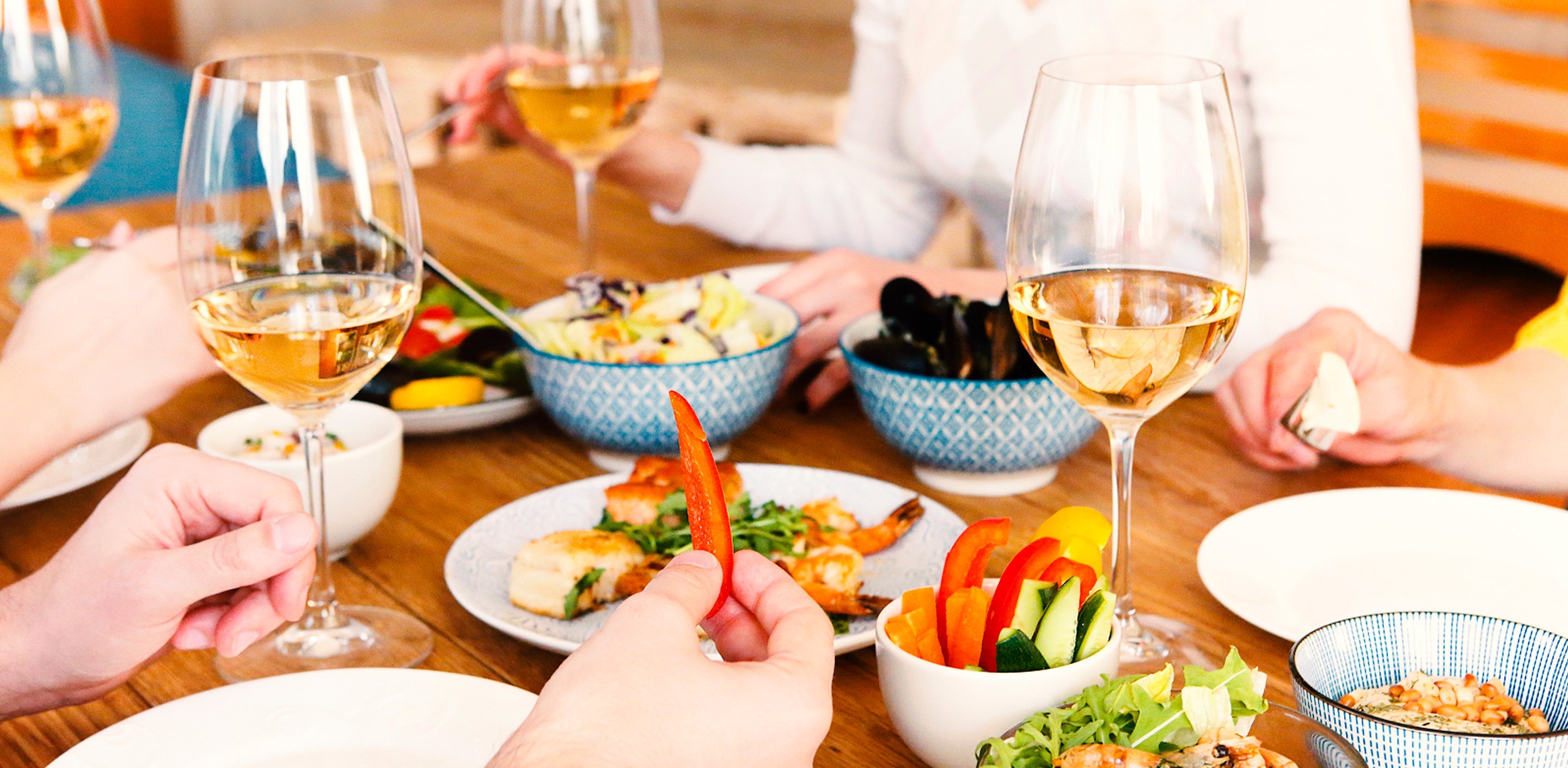
The Art of Pairing Wine and Food: A How-To Guide
Are you a foodie who loves to cook delicious and healthy meals in your kitchen using nonstick cookware? If so, you probably also enjoy a nice glass of wine to complement your culinary creations. But with so many varieties of wine and an endless array of food options, it can be challenging to know which wine to choose to bring out the best flavors in your dishes. That's why we've put together a guide to pairing wine with food, complete with tips and tricks to help you create the perfect culinary experience. Consider the Intensity of the Dish One of the most important factors to consider when pairing wine with food is the intensity of the dish. If you're cooking a dish with bold and strong flavors, such as a spicy stir-fry or a hearty beef stew, you'll want to pair it with a full-bodied wine that can stand up to the intensity of the dish. Try a red wine like Cabernet Sauvignon or Syrah for a perfect match. On the other hand, if you're cooking a lighter dish, such as a salad or seafood, you'll want to choose a lighter wine to match. A crisp and refreshing white wine like Sauvignon Blanc or Pinot Grigio would be an excellent choice. Match the Flavors Another essential factor to consider when pairing wine with food is the flavor profile of the dish. You'll want to choose a wine that complements the flavors in your food, rather than overpowering them. For example, if you're serving a dish with citrus flavors, such as a lemon chicken or a shrimp ceviche, you'll want to choose a wine with similar citrus notes, like a Chardonnay or a Pinot Grigio. Similarly, if you're cooking a dish with rich and creamy flavors, such as a pasta dish or a risotto, you'll want to choose a wine with similar flavors, like a buttery Chardonnay or a creamy Pinot Noir. Consider the Cooking Method The cooking method you use can also play a role in the wine pairing process. If you're frying or sautéing food in a nonstick skillet or frying pan, you'll want to choose a wine that can stand up to the heat and the intense flavors that come from the cooking method. Try a bold red wine like Zinfandel or a fruity red like Merlot. If you're cooking food in a deep frying pan or sauté pan, you'll want to choose a wine that can match the intensity of the flavors while also providing a refreshing counterbalance. Try a white wine like Riesling or a crisp rosé. Experiment and Have Fun Ultimately, the key to pairing wine with food is to experiment and have fun. Don't be afraid to try different combinations and see what works best for your taste buds. Remember that pairing wine with food is all about finding a balance between the flavors and textures of the dish and the wine. So go ahead and try some new recipes with your Sensarte nonstick cookware, grab a bottle of your favorite wine, and start experimenting. You might be surprised by the amazing flavor combinations you discover. Cooking is an art, and it's not just about the ingredients or the recipe. Pairing the right wine with your meal can elevate your culinary experience to the next level. With a little knowledge and practice, anyone can become an expert. Remember those tips in above and most importantly, have fun and enjoy the healthy and delicious dishes in your kitchen with Sensarte nonstick cookware.
Learn more
Nonstick Cookware: The Perfect Companion for Outdoor Cooking and Camping
When it comes to outdoor cooking and camping, having the right cookware can make all the difference in creating delicious meals that satisfy your hunger and fuel your adventure. That's where Sensarte nonstick shines, offering a range of durable and versatile options to elevate your outdoor cooking experience. Let's explore why Sensarte nonstick cookware is the ideal choice for your outdoor culinary adventures, along with some tips, tricks, and recommended recipes to make your outdoor cooking experience truly memorable. Why Choose Sensarte Nonstick Cookware for Outdoor Cooking Easy Cleanup: Sensarte nonstick cookware features a premium nonstick coating that ensures easy food release and effortless cleanup, even in outdoor settings where access to water and cleaning facilities may be limited. Simply wipe off any residue, and your cookware is ready for the next meal. Durability and Portability: Crafted with high-quality materials, Sensarte nonstick cookware is built to withstand the rigors of outdoor cooking. Its lightweight design makes it easy to transport, allowing you to enjoy gourmet meals wherever your adventures take you. Versatility: Sensarte offers a range of nonstick cookware options specifically designed for outdoor cooking. The nonstick griddle pan is perfect for whipping up pancakes and breakfast favorites, while the nonstick grill pan allows you to grill juicy burgers and flavorful vegetables with ease. The nonstick crepe pan is ideal for creating delicate crepes and wraps, adding a touch of elegance to your outdoor meals. Tips and Tricks for Outdoor Cooking with Sensarte Nonstick Cookware Preheat the Cookware: Just like with indoor cooking, preheating your nonstick cookware is important for even cooking and preventing food from sticking. Place your Sensarte cookware on the campfire or camping stove and allow it to heat up before adding your ingredients. Control the Heat: Outdoor cooking can sometimes be unpredictable, especially when using open flames or charcoal grills. Be mindful of the heat intensity and adjust it accordingly to avoid overheating your nonstick cookware. Moderate heat is generally sufficient for cooking with nonstick pans. Use Silicone or Wooden Utensils: To protect the nonstick coating of your Sensarte cookware, opt for silicone or wooden utensils instead of metal ones. This will prevent scratches and preserve the longevity of your nonstick surface. Recommended Recipes and Dishes for Outdoor Cooking Grilled Vegetables: Use a Sensarte nonstick grill pan to cook an assortment of colorful and flavorful grilled vegetables. Simply toss them with olive oil, salt, and herbs, and grill them to perfection. These grilled veggies make a delicious side dish or a filling for sandwiches and wraps. Campfire Quesadillas: Place tortillas on the Sensarte nonstick griddle pan over a campfire or grill. Add your favorite fillings such as cheese, cooked chicken or beef, and veggies. Fold the tortillas in half and cook until the cheese is melted and the tortillas are golden and crispy. Blueberry Pancakes: Prepare pancake batter and pour it onto the Sensarte nonstick crepe pan over your camp stove. Drop fresh blueberries onto the batter and cook until golden brown. Serve with maple syrup for a delightful breakfast outdoors. With Sensarte nonstick cookware, outdoor cooking and camping become an enjoyable and hassle-free experience. Its superior nonstick performance, durability, and portability make it an essential companion for any outdoor enthusiast. Explore the range of nonstick griddle pans, grill pans, and crepe pans offered by Sensarte to elevate your outdoor cooking game. Whether you're grilling, frying, or making delicious crepes, Sensarte nonstick cookware ensures that you can savor gourmet meals in the great outdoors. So, invest in Sensarte nonstick cookware for your next outdoor cooking adventure and make memories around the campfire with delicious meals that will satisfy your taste buds and ignite your love for outdoor cooking.
Learn more
Basic Cooking Knowledge of Food Yields
Apples: 1 pound = 3 medium = 3 cups slices Bananas: 1 pound = 3-4 medium = 1 ½ cups mashed = 2 cups sliced Beans (Dry): 1 pound = 2-2 ½ cups (Dry) = 6 cups cooked Bread Crumbs: 4 sliced bread = 2 cups fresh crumbs = 1 ⅓ cups dry crumbs Butter, Margarine or Shortening: 1 pound = 2 cups Cabbage: 1 pound = 6 cups shredded = 2-3 cups cooked Carrots: 1 pound = 3 cups sliced = 1 ½ cups shredded Cheese: 4 ounces = 1-1 ⅓ cups shredded Coffee: 1 pound = 40-50 cups brewed Cornmeal: 1 pound = 3 cups (Dry) = 12 cups cooked Eggs (Medium): 1 dozen = 2 cups Eggs Whites (Large): 8 eggs = 1 cup All-purpose Flour: 1 pound = 4 cups sifted Whole-wheat Flour: 1 pound = 3 ½-3 ¾ cups Graham Crackers: 12 squares = 1 cup crumbs Ground Meat (Beef, Pork, Turkey): 1 pound = 2 cups ground Lemons: 1 lemon = 2-4 tbsps juice Macaroni, Spaghetti: 1 pound = 5 cups (Dry) = 8-10 cups cooked Evaporated Milk: 6 ounce can = 1 ½ cups reconstituted Oatmeal: ½ cup (Dry) = 1 cup cooked Onions: 1 pound = 3 large Oranges: 1 orange = 6 tbsps juice Potatoes: 1 pound = 3 medium = 3 ½ cups sliced = 2 cups mashed Raisins: 1 pound = 1 ¾-3 cups Rice (White or Brown): 1 pound = 2 ½ cups (Dry) = 7 ½ cups cooked Saltines: 22 crackers = 1 cups crumbs Sugar (White-granulated): 1 pound = 2 cups Sugar (Brown): 1 pound = 2 ¼ cups Yeast (Active Dry): 1 packet = 1 tbsp
Learn more