


Blogs

Exploring the Flavorful World of Salt: Types and Uses
Salt is one of the most essential ingredients in our kitchen, but have you ever stopped to consider the different types of salt available and how they can enhance your culinary creations? From kosher salt to sea salt and Himalayan salt, each variety brings its own unique flavor and texture to dishes. Let’s delve into the differences between types of salt and provide insights on how to best use them in your cooking. So, grab your Sensarte nonstick cookware and let's embark on a flavorful journey through the world of salt. Kosher Salt Kosher salt is a coarse-grained salt that is commonly used in koshering meats due to its ability to draw out moisture. It has larger crystals compared to table salt, making it easier to pinch and sprinkle. Kosher salt dissolves quickly and evenly, making it a versatile option for everyday cooking. Its clean and pure taste enhances the flavors of dishes without overpowering them. Recommended Use Use kosher salt when seasoning meats before cooking. Its coarse texture helps to draw out moisture and enhance the flavors. Sprinkle kosher salt on vegetables and salads to add a touch of savory flavor. When boiling pasta or vegetables, add a pinch of kosher salt to the water to enhance the overall taste. Sea Salt Sea salt is harvested from evaporated seawater and retains some trace minerals, which can impart subtle flavor variations depending on the region of origin. It comes in various textures, including fine, coarse, and flaky. Sea salt adds a delicate briny flavor and a satisfying crunch to dishes. Recommended Use Sprinkle flaky sea salt over freshly baked bread or roasted vegetables for a burst of flavor and texture. Use coarse sea salt as a finishing touch on grilled meats or seafood dishes. Incorporate fine sea salt into marinades, dressings, and seasoning blends to enhance the overall taste. Himalayan Pink Salt Himalayan pink salt is mined from ancient salt deposits in the Himalayan mountains. It gets its distinctive pink hue from trace minerals present in the salt. This type of salt is known for its mild and slightly sweet flavor. It is often used as a finishing salt to add visual appeal to dishes. Recommended Use Sprinkle a pinch of Himalayan pink salt over chocolate desserts or caramel-based treats to create a delightful contrast of flavors. Use it as a finishing salt on salads, grilled vegetables, or even avocado toast for a pop of color and flavor. Grind Himalayan pink salt in a salt grinder and use it as a seasoning at the table. Table Salt Table salt is the most common type of salt found in households. It is highly refined, resulting in fine crystals that dissolve quickly. Table salt often contains added iodine, an essential nutrient that helps support thyroid health. While it is versatile and readily available, its fine texture can make it easy to oversalt dishes. Recommended Use Use table salt in baking recipes where the fine texture is desired for even distribution. Add a pinch of table salt to boiling water for cooking pasta, rice, or potatoes. Sprinkle a small amount of table salt on freshly popped popcorn for a classic savory snack. Understanding the differences between types of salt can elevate your culinary skills and bring out the best flavors in your dishes. Experiment with different salts in your recipes to discover the unique tastes and textures they offer. And with your reliable Sensarte nonstick cookware, you can confidently prepare your favorite salt-infused recipes without worrying about sticking or cleanup. Remember, a pinch of the right salt can transform an ordinary dish into an extraordinary culinary masterpiece. So, grab your Sensarte nonstick fry pan or skillet, sprinkle a touch of your preferred salt, and let the flavors dance in your kitchen. Experiment, have fun, and let your taste buds guide you to the perfect seasoning!
Learn more
Learn How to Chop an Onion
Many recipes begin with the simple task of chopping an onion, from soups to stir-fries or sauces to your favorite pastas, casseroles, and stews. Whether your recipe calls for wedges, slices, or cubes, get it right and you'll reduce the prep time and feel like a pro. What Do You Need There are a few essentials you need in order to properly chop onions. First of all, you need onions. The basic cutting techniques work with all types of onions, whether you need white, red or sweet onions. Next, you'll need a stable cutting board large enough to cut the onion. Then you need your knife or knives, that's all. We recommend using a chef's knife. Make sure yours is sharp as it will make this task and all other cutting techniques easier and safer. Also, you'll need a paring knife to peel the onion first. Get Started First of all, cut off the stem end of the onion and remove the onion skin by gripping between your thumb and the blade of a paring knife. How to Slice Cut the onion in half from the root. Use the tip of a knife to cut a wedge around the root and remove. Then, cut directly into the cutting board. When the onion is too narrow to stand upright, turn it over and finish slicing. How to Chop and Dice an Onion Start by cutting the onion in half from the root. Then, place one half flat side down. Slice lengthwise at even intervals, being careful not to cut through the root end. Next, slice horizontally toward the root end at even intervals. Finally, make vertical cuts and crosswise vertical cuts onto a cutting board to create even-sized pieces. To dice an onion, simply cut in wide intervals. How to Cut Onion Wedges Keeping the root intact, aim the knife toward the center of the onion and make a cut. A small piece of root in each wedge helps it stick together when cooked. If you want to know more cooking skills, please feel free to leave your comment in below area or email us directly at Support@Sensarte.com.
Learn more
Nonstick Lesson 102: How is The Quality of Nonstick Coatings Different
Various levels or parameters of a nonstick coating can be measured to gauge its quality. In most cases, the quality of the material used and the actual amount of surface coating determines the quality and longevity of the nonstick coating. These different types of nonstick coatings can be roughly divided into the following types: OPP/Promotional: These are cookware with a single-layer nonstick coating, typically used in entry level, inexpensive cookware that doesn't perform well and doesn't last long. Moderate/OPP: This is the next level coating where the top coat has a higher amount of PTFE and the first coat is basically customized for good adhesion. This first coat is also called a primer coat. Upper Moderate/Gourmet: They feature a three-layer coating of nonstick material, usually internally reinforced with high quality microscopic hard reinforcements mixed into the coating to increase the resistance to abrasion and wear and tear. These are usually used in high end, fancy, expensive cookware. Ceramic Coatings: Ceramic is a new phenomenon in the cookware coating industry, only commercially launched in 2009, but rapidly gaining popularity as it is considered more environmentally friendly than Teflon and more versatile in terms of colors and finishes. Ceramic coated cookware is also considered to be more durable and stronger than those with a Teflon finish. In terms of price, the two are nearly equal, at least at the entry level, and are now available in supermarkets and online stores. However, it is true that most nonstick cookware made today still uses Teflon as the coating medium
Learn more
5 Mistakes to Avoid with Nonstick Cookware
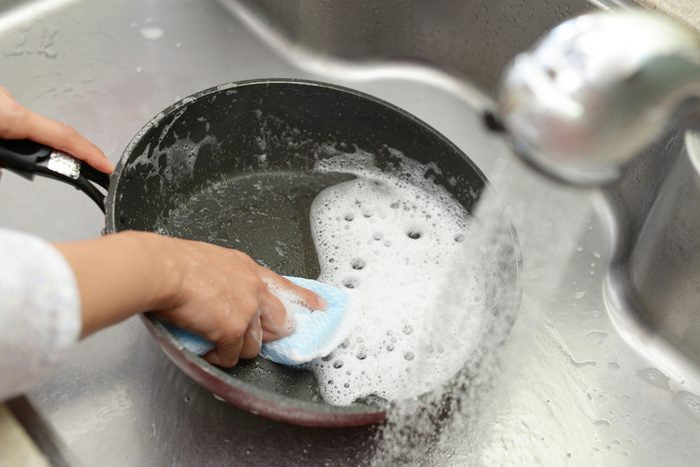
Do Not Put Nonstick Cookware in Dishwasher When it comes to cleaning, hand washing is the best. The nonstick surface should make it a simple and easy process. Let the pans cool to room temperature before cleaning. This will ensure it doesn't deform due to temperature fluctuations. From there, use cool water and a sponge or soft brush with a few drops of dish soap to wash away any stubborn food. As long as your nonstick pans are in good shape, the process should be as simple as a quick wipe and rinse. Do Not Use Abrasive Cleaners or Metal Utensils It's tempting, but even if you promise to do your best not to scratch the pan during use, metal utensils are a surefire way to cause lasting damage to nonstick pans because they can easily scratch the coating surface. Abrasive cleaners and stacked pans can also scratch or the surface, so avoid these pitfalls too. If stacking is your only option, place a dish towel between each pan as a protective layer. Make Sure to Avoid Shocking Temperature Changes Few materials perform well from hot to cold or vice versa and nonstick cookware is no exception. As we mentioned above in the instructions for hand washing the pans after they have cooled, the practice of allowing the pans to come to a new temperature gradually will help avoid warping. The same can be said if you want to take your pans from the fridge to the stovetop. Let’s be honest, your pan shouldn’t have been in the fridge in the first place. Nonstick pans are not for food storage, especially when we're talking a big pot of marinade. As with cast iron, prolonged exposure to acidic components will wear down the finish. Do Not Dry Heating Your Nonstick Cookware Don't let your pan heat up without food or liquid. The pan can heat to an unsafe temperature in a few minutes or less, so having something in the pan will help keep the temperature steady and avoid spoilage and smoking. While we're on the topic, it's also not advisable to let your nonstick cookware get too hot regardless of what's in it. It's best to avoid heat levels that exceed the medium setting of your stovetop. High temperatures in the oven are also definitely not wise. For items that need a tasty crust, pull out your trusty cast iron for searing work. Do Not Use Cooking Sprays What makes the super smooth surface even more nonstick? Cooking spray, right? Definitely wrong. Lecithin, an ingredient in the spray, is the nemesis of nonstick coatings and will adhere to it even when you don't want it to. If you just want to give your nonstick pan a little extra kick by dusting it a little, a spray of oil will do the trick.
Learn more
Cookware Guide 104: Material Types
Ceramic Ceramic cookware is a good insulator, so it won't react quickly to heat. It's usually found in casseroles or other shapes suitable for slow cooking at a constant temperature. It is lighter than cast iron, but also more fragile. Porcelain Porcelain is fired to become very hard. While porcelain is generally considered delicate, it can actually be quite durable. It can also usually be used in stoves, ovens, and microwaves. Porcelain is typically white because it helps show more prominence. Types of Porcelain Stoneware Stoneware is also fired to a hardness similar to porcelain. The main difference between the two is that the stoneware uses a different type of clay and come in other colors besides white. Stoneware can also be available in a variety of finishes. Earthenware Earthenware is less strong and prone to chipping and scratching. This type is often used as cutlery rather than cookware. Clad Clad cookware is developed by using both types of cookware materials together to obtain all the benefits of both materials. Most of the time, stainless steel is clad with aluminum. Aluminum gives you thickness and excellent heat conductivity, and stainless steel prevents it from corroding and is easy to maintain. This type of cookware will last a lifetime and is usually heavy and very expensive. If money isn't an issue and you want the best, we definitely recommend clad cookware. Copper Copper is the best conductor of heat. It's best if you cook on a stove that has to control the temperature. However, copper can react with food and can be poisonous. Therefore, copper pots and pans are usually lined with another material, usually stainless steel. The biggest disadvantage of using copper is maintenance. Copper can discolor, so occasionally polishing is required to remove discoloration. Additionally, copper tends to dent and scratch easily. Stainless Steel Stainless steel is a very good all around general-purpose cookware. It's lightweight, durable and easy to clean. It is, however, poor conductor of heat so usually many stainless steel pieces are made of the copper or aluminum disc in the bottom to help distribute heat more evenly. Because of its smooth surface, stainless steel is easy to clean and it's dishwasher safe. If you notice some kind of discoloration, you can use stainless steel cleanser that restores natural luster. Metal utensil can be used on stainless steel or aluminum surface. Nonstick Nonstick cookware has a coating on the inside of the pan that makes it difficult for food to stick. This makes it super easy to cook healthy fat-free foods. Because the food is not sticky, it is easy to clean. It can be used in combination with many metals used in the production of cookware. The downside of this cooker is that it can be easily scratched. Stainless steel or other utensils can scratch the pan, so nylon silicone utensils are strongly recommended.
Learn more
Rediscovering Comfort Food Classics: Recipes to Warm Your Heart with SENSARTE Cookware
Comfort food has a unique ability to evoke nostalgia and soothe the soul. These familiar dishes often carry a sentimental value, making us feel warm and secure. From creamy mac 'n' cheese to hearty stews, these classics are more than just meals; they are memories on a plate. But what if you could recreate these heartwarming dishes with a modern twist while preserving that cherished taste? In this culinary journey, we'll delve into a world of comfort food classics and explore how the right cookware can transform your cooking experience. With Sensarte nonstick cookware, you can elevate these beloved recipes to new heights while maintaining the traditional flavors you adore. The Sensarte Difference Sensarte Cookware takes your cooking to the next level with its innovative design and nonstick technology. Here's how it can enhance your comfort food classics: Even Heating: Sensarte's nonstick frying pans and skillets offer even heat distribution, ensuring that your dishes are perfectly cooked, with no hot spots or burning. Easy Cleanup: The exceptional nonstick surface means no more stubborn food residue. Say goodbye to excessive scrubbing and hello to hassle-free cleaning. Durability: Sensarte Nonstick Cookware is built to last. Crafted from high-quality materials, it's designed for long-term use, promising countless comforting meals. Revamped Recipes for a Modern Twist Creamy Mac 'n' Cheese with a Crispy Panko Topping: Create the creamiest mac 'n' cheese using Sensarte Nonstick Sauce Pan. With easy heat control, you can make a velvety cheese sauce and bake it to perfection with a crispy panko topping. Hearty Beef Stew with Buttery Dumplings: Sensarte Nonstick Deep Frying Pan Skillet is your secret weapon for browning meat to perfection. The even heat ensures your beef stew is rich and tender. Try adding dumplings cooked with the lid on for the ultimate comfort. Chicken Pot Pie with a Flaky Crust: Sensarte Nonstick Sauté Pan will help you create a savory chicken pot pie with a perfectly flaky crust. The nonstick properties make it a breeze to transfer your pot pie from the stovetop to the oven for a golden finish. Cozy Comfort Food Recipes Classic Chicken and Dumplings: A timeless favorite that combines tender chicken, fluffy dumplings, and a rich broth. The Sensarte Deep Frying Pan ensures even cooking and an easy transition from stovetop to oven. Butternut Squash Mac 'n' Cheese: Elevate this classic with velvety butternut squash sauce. Sensarte Nonstick Sauce Pan keeps the cheese sauce from sticking, and you can easily bake the dish to perfection. Homemade Chicken Pot Pie: Make the flakiest chicken pot pie with a Sensarte Nonstick Frying Pan Skillet. Transition smoothly from stovetop to oven, and enjoy a golden, crisp crust. Final Thoughts In the world of comfort food classics, Sensarte Cookware adds a modern twist, making your favorite dishes even more delightful. Experience the difference in cooking and savoring your beloved comfort foods, reinvented with a touch of innovation. From creamy mac 'n' cheese to hearty stews, these dishes are reimagined, retaining their timeless appeal but with a contemporary, convenient twist. So, gather your ingredients, grab your Sensarte nonstick cookware, and embark on a comforting culinary adventure. Sensarte takes these recipes from your heart to your plate with love, ensuring your comfort food classics are always on the menu. Enjoy every heartwarming bite!
Learn more
Explore Various Cooking Techniques with Nonstick Cookware
Nonstick cookware has revolutionized the way we cook, allowing us to prepare delicious meals with less oil and clean up in a breeze. However, with so many different types of nonstick cookware available, it can be overwhelming to choose the right one for different cooking techniques. In this blog, we’ll break down the basics of how to use nonstick cookware for various cooking techniques, so you can get the most out of your Sensarte nonstick cookware and create mouthwatering dishes with ease. Frying Frying is a popular cooking technique that involves cooking food in hot oil or fat. When it comes to frying, a nonstick frying pan is a must-have kitchen tool. Sensarte nonstick frying pans are available in a range of sizes, from small to large, making it easy to fry up everything from eggs to chicken. To fry food in a nonstick pan, add a small amount of oil and heat the pan over medium-high heat. Once the pan is hot, add the food and cook until crispy and golden brown. Deep Frying Deep frying is a technique where food is completely submerged in hot oil, producing crispy and delicious results. To deep fry in a nonstick pan, a deep frying skillet is essential. Sensarte nonstick deep frying pans are perfect for this technique, thanks to their high sides and spacious interior. To deep fry food, fill the pan with enough oil to fully submerge the food and heat over medium-high heat. After the oil has reached the desired temperature, cautiously place the food into the pan and cook until it turns crispy and obtains a golden brown color. Sautéing To cook food rapidly and effortlessly, sautéing is the go-to cooking technique that involves cooking food in a tiny amount of oil over high heat. A nonstick skillet or sauté pan is ideal for this technique, as it allows you to cook food evenly without sticking. Sensarte nonstick skillets and sauté pans are available in a range of sizes, so you can choose the right one for the amount of food you’re cooking. For sautéing, preheat the pan on high heat and then add a small amount of oil or cooking spray. After that, add the food and cook for a few minutes until the food is properly cooked and has a slight golden brown color. Grilling To cook food using the grilling method, you typically place it on a hot surface or an open flame. If you prefer indoor grilling, a nonstick griddle pan is a great option. It prevents food from sticking and simplifies the cleaning process. Sensarte nonstick griddle pans are available in various sizes, allowing you to cook a wide range of dishes, including burgers and pancakes. All you need to do is heat the griddle pan over medium-high heat, add the food, and cook until it is fully cooked and slightly charred. Nonstick cookware has become an integral part of modern-day cooking. But, as with any other kitchen tool, it is crucial to use it with care and caution. If you follow the usage and maintenance instructions, nonstick cookware can make cooking more accessible, efficient, and healthier. Choosing the right nonstick cookware that aligns with your cooking needs is crucial. Investing in a high-quality nonstick cookware set from reputable brands like Sensarte is a wise choice that can pay off in the long run. By adopting good cooking practices and taking proper care of your cookware, you can enjoy healthy and delicious meals without any risks. Remember to prioritize your health and safety in the kitchen, and happy cooking with your nonstick cookware!
Learn more
The Nutritional Powerhouses: Unveiling the Health Benefits of Fermented Foods
Fermented foods have been a staple in diets across the world for centuries, thanks to their incredible flavors and impressive shelf life. But beyond their taste and preservation properties, these foods have another secret weapon hidden within them - their incredible health benefits. In recent years, there has been a resurgence of interest in fermented foods, not just for their tangy, unique flavors, but also for their potential to support our well-being. From sauerkraut to kimchi, kefir to kombucha, and yogurt to miso, fermented foods come in various forms and are packed with probiotics, enzymes, and nutrients that can enhance our health in numerous ways. Let's dive into some of the fantastic health benefits of incorporating more fermented foods into your diet: The Gut-Friendly Allies One of the most well-known advantages of fermented foods is their ability to promote gut health. Our digestive system is home to trillions of microorganisms, collectively known as the gut microbiome. These tiny inhabitants play a pivotal role in our overall health, influencing everything from digestion to our immune system. Fermented foods are packed with probiotics, which are live beneficial bacteria that aid in maintaining a balanced gut microbiome. These probiotics act as reinforcements for your gut's defense system, helping to combat harmful pathogens and promoting harmony within your digestive tract. Enhanced Nutrient Absorption Beyond gut health, fermented foods also have the remarkable ability to enhance nutrient absorption. The fermentation process can break down complex compounds in food, making nutrients more accessible to our bodies. For example, fermented dairy products like yogurt and kefir are not only easier to digest for those with lactose intolerance but also offer enhanced absorption of calcium and other essential minerals. Rich in Antioxidants Fermented foods are often teeming with antioxidants, compounds that help combat harmful free radicals in the body. These antioxidants can aid in reducing inflammation, which is at the root of numerous chronic diseases. Foods like kimchi, sauerkraut, and miso are replete with these health-boosting compounds. Improved Mental Health Emerging research suggests a strong connection between gut health and mental well-being. Fermented foods may play a role in this intriguing relationship. Probiotics found in these foods can communicate with the brain through the gut-brain axis, potentially influencing mood and behavior. While more research is needed in this area, early studies indicate that consuming fermented foods could have a positive impact on mental health. Boosted Immunity A robust immune system is your body's frontline defense against illness. Fermented foods can fortify this defense by promoting the production of antibodies and enhancing the activity of immune cells. Regular consumption of these foods may help reduce the risk of infections and seasonal illnesses. Top Fermented Foods to Try Fermentation is a diverse culinary practice, with various foods and beverages benefiting from this ancient technique. Some of the most popular fermented foods from around the world include: Yogurt and Kefir: These dairy products are fermented with specific bacterial strains, resulting in probiotic-rich, creamy concoctions. Kimchi: A spicy fermented cabbage dish hailing from Korea, kimchi is packed with probiotics, vitamins, and antioxidants. Sauerkraut: Fermented cabbage is a staple in many Eastern European cuisines, known for its sour tang and probiotic content. Miso: This Japanese paste is created by fermenting soybeans with salt and koji mold, yielding a savory, umami-rich condiment. Kombucha: A fizzy, fermented tea known for its probiotic content, kombucha has gained popularity as a refreshing, health-boosting beverage. Fermented foods are not just culinary delights; they are nutritional powerhouses that can significantly impact our health and well-being. Incorporating a variety of fermented foods into your diet can provide a wide range of health benefits, from improved gut health to enhanced nutrient absorption and beyond. So, whether you're savoring a spoonful of yogurt or relishing a plate of kimchi, know that you're not only indulging in delicious flavors but also nurturing your body from the inside out.
Learn more
Nonstick Cookware: Your Secret to Perfectly Grilled Steaks and Burgers
Grilling is one of the most popular cooking methods during summertime, and for a good reason: the flavors and aromas of grilled food are simply irresistible. But grilling can be challenging, especially if you're using the wrong cookware. That's where nonstick cookware comes in! With the right nonstick cookware, you can achieve the perfect sear and char on your meat without sticking, burning, or falling apart. One of the best nonstick cookware brands on the market is Sensarte Cookware. Our nonstick griddle pan, frying pan skillet and sauté pan are made with a Swiss ILAG nonstick coating, which is SGS approved and PFOA free, ensuring that your food is safe and healthy. Plus, the versatility of these pans makes them ideal for all kinds of cooking needs, including grilling. So, how do you use nonstick cookware for grilling? Here are some tips and recipes to get you started: Choose the Right Pan Depending on the type of meat you're grilling, you may need a different type of nonstick cookware. For steaks, burgers, and other thick cuts of meat, a nonstick frying pan or skillet is ideal. For grilling vegetables, a nonstick griddle pan is perfect, while a nonstick grill pan is great for smaller pieces of meat or seafood. Preheat Your Pan Preheating your nonstick pan is crucial for achieving a perfect sear and preventing sticking. Heat your pan on medium-high heat for a few minutes before adding your meat or vegetables. Use the Right Oil While nonstick cookware requires less oil than traditional cookware, you still need to use some oil to prevent sticking and achieve a crispy exterior. Use a high smoke point oil like canola oil, grape seed oil, or avocado oil. Don't Overcrowd Your Pan Overcrowding your nonstick pan can cause your meat or vegetables to steam instead of sear. Leave some space between each piece of food to ensure even cooking and a crispy exterior. Let Your Meat Rest After grilling your meat, let it rest for a few minutes before slicing into it. This allows the juices to redistribute, resulting in a juicier and more flavorful final product. Here are some delicious recipes to try with your Sensarte Nonstick Cookware: Perfectly Grilled Steak Heat your nonstick grill pan on medium-high heat. Rub your steak with a mixture of salt, pepper, and garlic powder. Add your steak to the pan and cook for 4-5 minutes on each side, depending on the thickness of your steak and your desired level of doneness. Let your steak rest for a few minutes before slicing into it. Juicy Grilled Burgers Heat your nonstick frying pan skillet on medium-high heat. Mix ground beef with salt, pepper, Worcestershire sauce, and minced garlic. Form your beef mixture into patties and add them to the pan. Cook for 4-5 minutes on each side, or until fully cooked. Serve on buns with your favorite toppings. Grilled Vegetable Skewers Heat your nonstick sauté pan on medium-high heat. Cut your favorite vegetables into bite-sized pieces and thread them onto skewers. Brush with olive oil and sprinkle with salt and pepper. Grill for 8-10 minutes, turning occasionally, until vegetables are tender and lightly charred. Nonstick cookware is the perfect solution for grilling your favorite meats and vegetables. With the right pan, preheating, oil, and spacing, you can achieve the perfect sear and char on your meat and vegetables without sticking or falling apart. Try out these delicious recipes with your Sensarte Nonstick Cookware and enjoy a summer full of delicious and healthy grilled food.
Learn more