


Blogs

Enhance Your Baby's Nutrition with Nonstick Cookware for Homemade Meals
As parents, we always strive to provide the best nutrition for our little ones. Making homemade baby food is a wonderful way to provide your little one with nutritious and wholesome meals. By preparing baby food at home, you have complete control over the ingredients and can ensure that your baby is getting the best start in life. And with Sensarte Cookware, the process becomes even easier and more convenient. The exceptional nonstick properties of Sensarte Cookware make it the perfect companion for preparing homemade baby food, offering both practicality and peace of mind. Why Choose Sensarte Nonstick Cookware for Making Baby Food Easy Food Release: Sensarte Cookware's nonstick surface allows for easy food release, preventing ingredients from sticking to the pan. This feature is particularly important when making purees or mashes, ensuring a smooth and consistent texture. Healthy Cooking: Sensarte Cookware is designed to distribute heat evenly, preventing hot spots and promoting gentle and uniform cooking. This helps retain the natural nutrients in the ingredients, resulting in healthier and more nutritious baby food. Effortless Cleanup: Cleaning up after preparing baby food can be time-consuming. However, with Sensarte Cookware's nonstick coating, cleaning becomes a breeze. Simply wipe away any residue with a gentle sponge or cloth, and you're done. Spend less time scrubbing and more time enjoying precious moments with your little one. Versatile Cooking Options: Sensarte Cookware offers a range of options to suit your needs when making homemade baby food. From nonstick saucepans for boiling vegetables and grains to nonstick frying pans for sautéing and browning, you have the flexibility to create a variety of nutritious dishes. Durable and Long-lasting: Sensarte Cookware is crafted with high-quality materials that ensure durability and longevity. The nonstick coating is resistant to scratches and abrasions, allowing you to use metal utensils without worrying about damaging the surface. This means that your Sensarte Cookware will remain in excellent condition even with frequent use, making it a worthwhile investment for your baby's food preparation needs. Preparing Baby Food with Sensarte Nonstick Cookware Steaming: Steaming is a popular cooking method for preserving the nutrients in baby food. With a Sensarte nonstick saucepan or stock pot, you can easily steam vegetables, fruits, and even grains. Simply add a small amount of water to the pan, place a steamer basket inside, and add your ingredients. The nonstick surface ensures that the food doesn't stick, making it easy to transfer the steamed ingredients to a blender or food processor for pureeing. Simmering and Boiling: Sensarte nonstick cookware is also ideal for simmering and boiling ingredients. Whether you're making a vegetable broth or cooking grains like rice or quinoa, the nonstick surface ensures even heat distribution and prevents sticking. This allows you to create smooth and well-cooked baby food without the need for excessive oil or fats. Blending and Pureeing: After cooking the ingredients, it's time to blend and puree them into a smooth consistency suitable for your baby. Sensarte nonstick cookware, such as a nonstick saucepan or skillet, provides a seamless transition from cooking to blending. The easy food release feature ensures that the cooked ingredients slide effortlessly into your blender or food processor, allowing you to achieve the desired texture for your baby's food. Preparing homemade baby food with Sensarte Cookware not only guarantees convenience and efficiency but also ensures that your little one receives the highest quality meals. The exceptional nonstick properties of Sensarte Cookware make cooking and cleaning a breeze, while the versatile options cater to every stage of your baby's food journey. Invest in Sensarte Cookware and embark on an exciting culinary adventure as you nurture your baby's growth and development through nutritious and delicious homemade meals. Your baby deserves the best, and Sensarte Cookware helps you deliver just that. And furthermore, Sensarte Cookware is not just for making baby food; it will continue to be a valuable addition to your kitchen as your child grows, allowing you to prepare a variety of meals with ease and convenience.
Learn more
Learn When to Use Each of Your Kitchen Knives
Although they are suited for different tasks, knives all have one thing in common: They should feel like an extension of your hand. Try a couple of knives to see if you like the handle, weight and length. Comfort is the key, as the saying goes, "The best knife is the one you’ll use.” Once you've found your blade pick, swear by keeping it sharp. It makes preparation safer because it requires less effort from you. Don't use too much force when cutting because the blade will slip and hurt you. Let the blade do the work - that's why you want this knife in the first place. Serrated Utility Knife Every home cook uses a utility knife. The blade is generally 5 to 6 inches, which is shorter than the average bread knife, but a serrated utility knife is still a great choice for small loaves. The sharp teeth can slice through baguettes and bagels - as well as tender fruits and vegetables like tomatoes, peaches, and squash without crushing them. A serrated utility knife is also the go-to tool for slicing salami and thick-skinned citrus such as oranges and grapefruit. Bakers love using it for cutting tender cakes and quick breads, such as banana bread, and for leveling cake layers. Paring Knife This little guy is a great helper in the kitchen. It is the right choice for peeling, paring and handling fine knife work. Grab it while peeling baked potatoes or preparing artichokes. Use it to shell strawberries, trim Brussels sprouts or chop citrus. It's also handy for deveining shrimp or chopping smaller foods like garlic and ginger. Since paring and paring are often done by hand, you want to make sure the handle feels comfortable and the blade is the right size for you to feel nimble. A 3 to 3.5 inch blade is fine for most tasks. It should also have a balanced weight to use on the cutting board. Santoku Knife The Japanese-style Santoku knife has flat blades, making them ideal for handling meat, fish and vegetables. The flat shape is similar to a cleaver and is designed for efficient chopping. The blade of the Santoku knife also has a nice angle for a clean slice. It's an excellent choice for chopping herbs, and the wide blade makes it easy to scoop ingredients off the cutting board. The santoku is known for its blade dimples, which reduce drag when chopping and also prevent food from sticking to the blade. The Santoku knife is generally smaller than a chef's knife and has an even weight distribution, so it can appeal to users with smaller hands. A mini santoku knife of 4 to 5 inches has the advantage of working in paring knife territory while still offering more chopping capabilities, compared to the 6 to 8 inches of a full-size santoku knife. When you need a thin slice of starchy food like potatoes, reach for a santoku knife. It's also a good choice for preparing onions, as it's great for dicing and transferring vegetables to pans. Try it when slicing beef for a stir-fry or avocado for toast. Bread Knife Chewy bread, fluffy sandwich bread, crusty sourdough, homemade focaccia: they all benefit from a bread knife. The long blade and serrated edge allow you to slice bread without crumbling or tearing. Look for a blade that is about 8 to 10 inches so you can cut large loaves. Keep in mind to find an affordable one since bread knives are so hard to sharpen, you'll end up needing a new one in the kitchen. But when they're with you, you'll be using them for cakes and tomatoes and even for roasts if you don't have a slicing knife. A bread knife can also come in handy for tackling veggies like behemoth butternuts. They peel away the tough outer skin with ease, and often provide the blade length needed to cut through large squash. Chef’s Knife The chef’s knife, of course, is great for chopping, dicing and slicing. But the clever construction of the classic chef's knife is where function really shines. The graceful curve allows you to shake in herbs for fine mince. The wide blade can be used to crush garlic for chopping or smash olives for pitting. The fine point helps to thinly slice the shallots before dicing, and also helps cut between the joints of the meat. The long blade - an 8-inch knife is pretty standard, but some go up to 10 inches - means you can prepare large chunks of lettuce, cabbage or cauliflower. The chef's knife can also be used to peel watermelon and chop chicken. It's a versatile workhorse that every cook will use again and again. If you would like to know more about kitchen tools or have any questions regarding this topic, please leave your comment in below area or email us directly at Support@Sensarte.com.
Learn more
Enjoy Cooking for a Large Group with These Stress-free Ideas
Cooking for a crowd can be a daunting task, especially if you're not used to cooking in large quantities. But with the right tools and some helpful tips, you can easily whip up a delicious meal that will satisfy everyone's taste buds. In this post, we'll discuss how to cook for a crowd without stressing out and how Sensarte Nonstick Cookware can make the process even easier. Plan Ahead The first step to cooking for a crowd is to plan ahead. Consider how many people you'll be cooking for and what dishes you'll be serving. It's important to choose dishes that can be easily scaled up and cooked in advance. This will allow you to spend more time with your guests instead of being stuck in the kitchen all night. Choose the Right Tools The right tools can make all the difference when cooking for a crowd. Sensarte Nonstick Cookware, like the Nonstick Frying Pan Skillet and Griddle Pan, are perfect for cooking large quantities of food without worrying about sticking or burning. The advanced nonstick coating ensures that food will easily slide off the pan, making cleanup a breeze. Additionally, nonstick cookware is healthier as it requires less oil to cook your dishes, making your meal healthier and more delicious. Prep in Advance Prepping in advance is key to a successful meal when cooking for a crowd. This includes chopping vegetables, marinating meat, and even cooking certain components of your dish ahead of time. By doing this, you'll save time and avoid feeling overwhelmed on the day of the event. Cook in Batches If you're cooking for a large group, it's important to cook in batches. This ensures that each component of your dish is cooked properly and at the same time. Using a 12-inch Nonstick Deep Frying Pan Skillet from Sensarte Cookware will make this process even easier as they have large surface areas that can accommodate more food. This allows you to cook more food at once, saving you time and effort. Delegate Tasks Don't be afraid to delegate tasks to others. Assigning simple tasks like setting the table or pouring drinks can take some of the pressure off you and allow you to focus on cooking. You can also consider making it a potluck-style event where everyone brings a dish to share. Serve Buffet Style Serving your food buffet-style is a great way to simplify your meal service and make sure everyone gets what they want. Set up a table with your dishes and let your guests help themselves. This will also help you avoid the stress of trying to plate each dish individually. Sensarte Nonstick Cookware can be used to cook a variety of dishes that can be served buffet-style, from breakfast items to stir-fries. Don't Forget Dessert No meal is complete without dessert, so make sure to include a sweet treat for your guests. Consider making a dessert that can be made in advance, like a cheesecake or brownies. Sensarte Nonstick Sauce Pan can also be used to make desserts like fruit compotes and caramel sauces, making it easy to add a sweet touch to your meal. Cooking for a crowd doesn't have to be stressful. By following those instructions and tips above, you can enjoy a delicious meal with your guests without feeling overwhelmed. Sensarte Nonstick Cookware can make the process even easier by ensuring that your dishes come out perfectly every time, without sticking or burning. So next time you're cooking for a crowd, try out these tips and enjoy a stress-free and delicious meal!
Learn more
Maximizing Space and Flavor: Nonstick Cookware for Small Kitchens and Apartments
In today's urban landscape, where space comes at a premium, many individuals find themselves navigating the challenges of cooking in small kitchens and apartments. Limited countertop and storage space can be a deterrent for culinary creativity, but with the right tools, such as Sensarte nonstick cookware, you can still whip up delicious meals without the clutter. In this blog post, we'll explore how Sensarte Nonstick Cookware can be a game-changer for small kitchens and apartments, allowing you to cook delicious meals without compromising on flavor or convenience. Embracing Compact Cooking with Sensarte When it comes to small kitchens, space is at a premium. Traditional cookware can take up valuable room, making it challenging to maneuver and store. Sensarte Cookware, designed with small spaces in mind, offers a compact and versatile solution. Nonstick Convenience: Sensarte's nonstick coating ensures that your meals won't stick to the pan, even with minimal oil. This feature not only makes cooking and cleaning a breeze but also reduces the need for multiple pots and pans. Versatility: Sensarte offers a range of nonstick cookware, including frying pans, saucepans, grill pans and so many more, all designed with space efficiency in mind. These versatile pieces can handle a variety of cooking techniques, from frying, sautéing, and grilling to simmering and boiling. Stackable Design: Many Sensarte Cookware pieces come with pot protector mats and handles, allowing you to nest them neatly in your kitchen cabinets. This stackable design minimizes clutter, leaving you with more space for your other kitchen essentials. Durable Construction: Despite their compact size, Sensarte pots and pans are built to last. Crafted from high-quality materials, they can withstand the rigors of daily cooking and maintain their nonstick performance over time. Cooking Up Flavorful Meals in Tight Quarters Small kitchens may lack space, but they don't have to skimp on flavor. Sensarte Cookware enables you to create gourmet dishes with ease, whether you're cooking for yourself or entertaining guests. Even Heating: Sensarte's cookware distributes heat evenly, preventing hot spots and ensuring that your meals are cooked to perfection. This means no more worrying about unevenly cooked food in a small kitchen. Perfectly Sized Portions: Sensarte's smaller-sized cookware is ideal for preparing single servings or meals for two. You can cook precisely what you need without wasting ingredients or space. Quick and Easy Cleanup: The nonstick surface makes cleanup a breeze, so you can spend less time at the sink and more time enjoying your meal. Maximizing Flavor, Minimizing Space Cooking in a small kitchen or apartment doesn't mean you have to sacrifice taste or convenience. Sensarte Nonstick Cookware empowers you to make the most of your limited space while indulging in delicious, homemade meals. With Sensarte Nonstick Cookware, small kitchens and apartments become culinary havens. Say goodbye to clutter and hello to the joy of cooking flavorful meals in a compact space. Whether you're a solo chef or hosting an intimate dinner, Sensarte's space-saving, nonstick cookware is your secret ingredient for success. Upgrade your small kitchen's cooking game with Sensarte Nonstick Cookware. Experience the joy of gourmet meals without compromise.
Learn more
Safeguarding Your Health: Understanding the Significance of Kitchen Hygiene and Food Safety
The importance of kitchen hygiene and food safety cannot be overstated. In the heart of every home, the kitchen is where meals are prepared and memories are made. It's crucial to prioritize cleanliness and proper food handling practices to ensure the health and well-being of your family. By maintaining a clean and safe kitchen environment, you not only prevent the spread of harmful bacteria and foodborne illnesses but also promote a healthy and enjoyable cooking experience. Let's explore the significance of kitchen hygiene and food safety, along with essential tips to incorporate into your daily routine. Why Kitchen Hygiene and Food Safety Are Important Preventing Foodborne Illnesses: Ensuring proper kitchen hygiene and food safety measures significantly reduces the risk of foodborne illnesses caused by harmful bacteria, viruses, and contaminants. These illnesses can range from mild discomfort to severe health complications, particularly for vulnerable individuals such as children, the elderly, and those with weakened immune systems. Maintaining Ingredient Freshness and Quality: Proper kitchen hygiene and food safety practices also help in preserving the freshness and quality of ingredients. Cross-contamination, improper storage, and inadequate cleaning can degrade the taste, texture, and nutritional value of food items. By handling and storing ingredients correctly, cleaning utensils and equipment thoroughly, and practicing good hygiene habits, we can ensure that the flavors and nutritional benefits of our ingredients are preserved, resulting in better-tasting and healthier meals. Promoting Overall Health: A hygienic kitchen contributes to overall health and well-being. By keeping your kitchen clean, you reduce the chances of pests and insects invading your space and contaminating your food. Additionally, practicing good kitchen hygiene encourages a clean and healthy mindset, leading to positive habits in other areas of your life. Building Trust and Confidence: Whether you're cooking for your family, friends, or customers, maintaining kitchen hygiene and food safety builds trust and confidence. When people know that you prioritize their health and well-being by adhering to strict hygiene standards, they can enjoy the meals you prepare without worry. It enhances your reputation as a responsible and reliable cook or chef, creating a positive dining experience for everyone involved. Tips to Keep Kitchen Hygiene and Food Safety Hand Hygiene: Wash your hands thoroughly with soap and warm water for at least 20 seconds before handling food, after using the restroom, and after touching raw meat, poultry, or seafood. Proper hand hygiene is one of the most effective ways to prevent the spread of harmful bacteria. Food Storage: Store raw meats, poultry, and seafood separately from ready-to-eat foods to avoid cross-contamination. Use airtight containers or plastic wraps to keep leftovers and perishable items fresh. Regularly check expiration dates and discard any expired or spoiled food. Cleaning and Sanitizing: Regularly clean and sanitize countertops, cutting boards, utensils, and kitchen surfaces. Use hot, soapy water or a suitable disinfectant to remove bacteria and food particles. Pay special attention to areas prone to moisture and food residue buildup, such as sinks and refrigerator shelves. Cooking Temperatures: Cook foods thoroughly to their recommended internal temperatures to eliminate harmful bacteria. Use a food thermometer to ensure that meats, poultry, and seafood reach the appropriate temperature. Avoid leaving cooked food at room temperature for an extended period and promptly refrigerate leftovers. Cross-Contamination Prevention: Keep raw meats, poultry, and seafood separate from other foods during storage, preparation, and cooking. Use separate cutting boards, utensils, and plates for different types of ingredients. Clean and sanitize these items thoroughly after each use to prevent cross-contamination. Personal Hygiene: Maintain personal hygiene by tying back long hair, wearing clean clothing, and avoiding coughing or sneezing directly over food. If you are feeling unwell or have an open wound, refrain from handling or preparing food to prevent the risk of contamination. A clean and safe kitchen is the foundation of healthy and enjoyable meals. By prioritizing kitchen hygiene and food safety, you protect yourself and your loved ones from foodborne illnesses and maintain the nutritional integrity of your meals. Remember to implement proper hand hygiene, practice safe food storage and handling, and keep your kitchen surfaces clean and sanitized. By following these essential tips, you can create a safe and welcoming culinary space that promotes well-being and happiness for all.
Learn more
Crafting Culinary Magic: How to Create Your Own Spice Blends and Seasoning Mixes
In the world of cooking, spices are the enchanting spells that can transform a bland dish into a flavorful masterpiece. But what's even more magical is when you create your own spice blends and seasoning mixes. The power to tailor flavors to your exact liking, to conjure up unique profiles that suit your dishes, and to elevate your culinary creations is within your grasp. In this blog, we'll embark on a journey to demystify the art of crafting spice blends that will bewitch your taste buds. Why Make Your Own Spice Blends Tailored Taste: Creating your spice blends allows you to fine-tune flavors to your preference. You can adjust the heat, sweetness, and complexity precisely. Freshness: Homemade blends guarantee the use of fresh, high-quality ingredients, unlike store-bought counterparts that may have been on the shelf for months. No Preservatives: You have control over what goes into your blends. Say goodbye to artificial additives and preservatives. Endless Variety: The possibilities are endless. From Cajun spice to curry powder, you can craft seasonings inspired by global cuisines. Getting Started: Essential Spices and Tools Before you embark on your spice-blending journey, ensure you have these essentials: Ingredients: Whole Spices: Invest in high-quality whole spices whenever possible. They have a longer shelf life and retain their flavor better than pre-ground spices. Herbs: Dried herbs like basil, thyme, oregano, and rosemary are excellent additions. Salt and Pepper: Kosher or sea salt and freshly ground black pepper are essential. Dried Chilies: If you like a bit of heat, dried chilies, like chili flakes or smoked paprika, are wonderful. Aromatics: Garlic and onion powder are versatile choices. Tools: Mortar and Pestle: Ideal for grinding whole spices and herbs. Coffee Grinder: Great for turning spices into fine powders. Measuring Spoons and Cups: Accurate measurements are crucial. Airtight Containers: Glass jars or spice containers with airtight seals keep your blends fresh. Common Spice Blends and Recipes Italian Seasoning: A classic blend of dried basil, oregano, thyme, and rosemary. Ideal for pasta sauces and pizza. Cajun Spice: Mix paprika, cayenne, garlic powder, onion powder, thyme, and oregano for a spicy kick. Perfect for blackened fish or chicken. Curry Powder: Customize your curry with a blend of turmeric, cumin, coriander, cardamom, and ginger. Taco Seasoning: Create your taco seasoning with chili powder, cumin, paprika, garlic powder, onion powder, and oregano. Tips for Blending: Balance is Key: Strive for balance in flavors. Experiment and adjust until you achieve harmony. Grinding: Grind whole spices just before using them in blends for maximum flavor. Labeling: Always label your blends with the date of creation. Spices lose potency over time. Storage: Store your blends in a cool, dark place. Avoid keeping them near the stove or in direct sunlight. Craft Your Culinary Masterpiece Making your own spice blends and seasoning mixes is a delightful journey of flavor discovery. With Sensarte Cookware in your kitchen, you have the perfect ally for experimenting with these blends. The precision and even heating ensure your dishes turn out just as enchanting as you imagine. So, gather your spices, unleash your creativity, and embark on a culinary adventure that will elevate your dishes to new heights. Don't just cook; conjure culinary magic!
Learn more
Ancient Grains on the Plate: Unveiling the Health Secrets of Quinoa, Farro, and Beyond
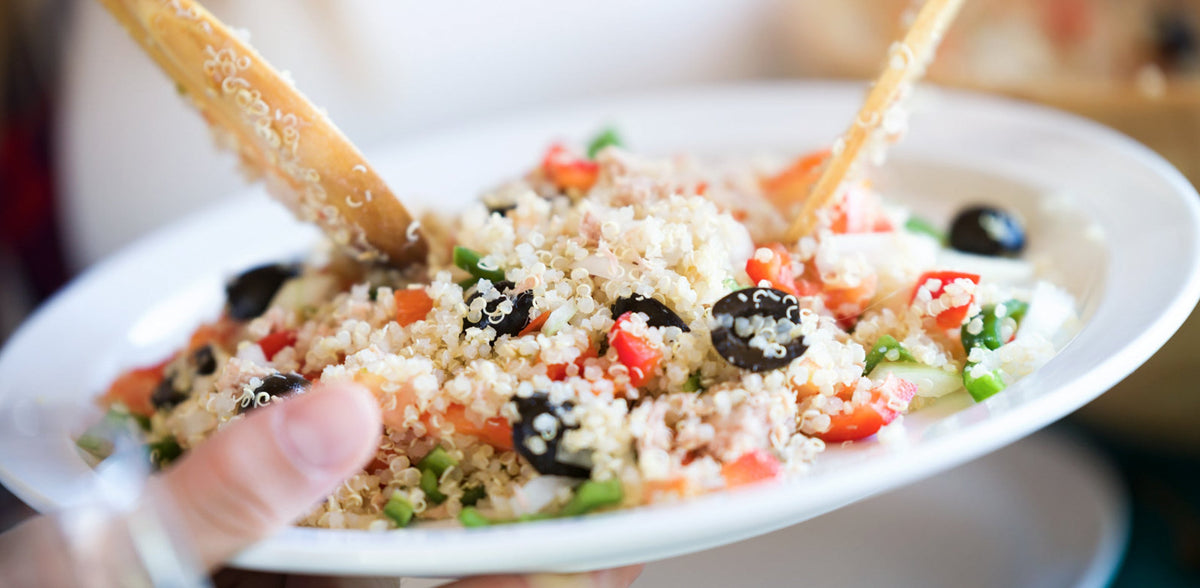
In the realm of culinary exploration, the resurgence of ancient grains has taken the spotlight. Beyond their delightful textures and nutty flavors, grains like quinoa, farro, and others have become staples for health-conscious cooks seeking nutrient-packed alternatives. This journey into the world of ancient grains not only introduces a diverse range of flavors but also invites you to discover their benefits, all while enjoying the convenience of cooking with innovative Sensarte Cookware. Why Ancient Grains Ancient grains have been cultivated for centuries and are celebrated for their exceptional nutritional profiles. Quinoa, for example, is a complete protein, containing all nine essential amino acids. Farro boasts high fiber content, aiding in digestion and providing a sustained feeling of fullness. The richness of nutrients in these grains makes them a perfect choice for those looking to enhance the health quotient of their meals. Unlocking the Secrets of Ancient Grains Quinoa: A Protein Powerhouse Quinoa is hailed as the mother of all grains, originating from the Andean region of South America. Packed with protein, fiber, and essential amino acids, quinoa is a nutritional powerhouse. With the versatile use of Sensarte Cookware, preparing a fluffy, nutrient-rich quinoa bowl becomes a breeze. The nonstick feature ensures that each grain retains its distinct texture without sticking to the pot. Farro: A Hearty Ancient Wheat Farro, an ancient wheat grain, is known for its nutty flavor and chewy texture. A fantastic source of fiber, vitamins, and minerals, farro adds heartiness to salads, soups, and risottos. The even heat distribution of Sensarte Cookware makes simmering a farro risotto a stress-free experience, allowing each grain to absorb the flavors harmoniously. Amaranth: Tiny Yet Nutrient-Dense Amaranth, another ancient grain rediscovered, boasts a rich nutritional profile, featuring protein, calcium, and iron. Utilizing Sensarte Nonstick Cookware to prepare an amaranth porridge ensures a smooth cooking process and easy cleanup. The even heat distribution prevents scorching, allowing the amaranth to reveal its subtle, earthy taste. Spelt: The Versatile and Nutty Goodness Spelt has made a resurgence in modern kitchens due to its versatility and nutty flavor. This ancient wheat variant, rich in fiber and minerals, can be transformed into delightful pancakes or added to hearty soups. Sensarte Nonstick Cookware facilitates the creation of a crispy spelt pancake, ensuring it effortlessly slides onto the plate. Recipes to Elevate Your Ancient Grain Experience Quinoa Salad with Roasted Vegetables: Prepare a colorful and nutritious salad with quinoa, roasted vegetables, and a zesty dressing. Use the Sensarte Nonstick Sauté Pan to achieve perfectly roasted veggies without sticking. Farro Risotto with Mushrooms: Elevate the classic risotto by using farro for a nuttier and chewier texture. The Sensarte Nonstick Sauce Pan is ideal for achieving the creamy consistency without the grains sticking. Ancient Grain Breakfast Bowl: Start your day right with a hearty breakfast bowl featuring a mix of ancient grains, fruits, nuts, and a drizzle of honey. The Sensarte Nonstick Frying Pan Skillet ensures an easy and quick preparation. Why Sensarte Cookware Effortless Cooking and Easy Cleanup The nonstick prowess of Sensarte Cookware ensures that cooking with ancient grains is a breeze. Say goodbye to sticky situations and welcome easy cleanup, allowing you to focus on the joy of crafting wholesome meals. Versatility for Varied Preparations Whether you're boiling grains, sautéing vegetables, or simmering flavorful broths, Sensarte's range of cookware provides the versatility needed for diverse ancient grain recipes. Move seamlessly from one cooking method to another, enhancing the richness of your culinary creations. Healthy Cooking, Happy Living With health-conscious cooking at the forefront, Sensarte Cookware ensures that your ancient grain dishes are prepared with minimal oil, letting the natural flavors of these grains shine. Enjoy a happy and healthy lifestyle with every delicious bite. Embark on a culinary adventure with ancient grains, and let Sensarte Cookware be your trusted companion in crafting meals that are not only nourishing but also a celebration of flavors.
Learn more
Quick and Easy Weeknight Meals: Simple Recipes for Busy Days
Life is a whirlwind, and the hustle and bustle of daily routines can make cooking a time-consuming chore. However, there's no need to resort to unhealthy fast food or pre-packaged meals. With the right recipes and cookware, like Sensarte Nonstick Cookware, you can prepare quick and easy weeknight meals that are not only convenient but also nutritious and delicious. The Importance of Quick and Easy Weeknight Meals Weeknights are often packed with work, school, and various commitments, leaving little time and energy for elaborate cooking. This is where quick and easy weeknight meals come to the rescue. They offer several benefits: Time-Saving: These recipes are designed to be ready in under 30 minutes, allowing you to spend more time relaxing with your family after a busy day. Healthier Choices: By cooking at home, you have control over the ingredients, helping you make healthier choices and reduce reliance on processed foods. Cost-Effective: Preparing your meals is often more budget-friendly than dining out or ordering takeout regularly. Customizable: Quick recipes are versatile, making it easy to adapt them to dietary preferences and restrictions. Why Choose Sensarte Cookware When it comes to creating quick and easy weeknight meals, having the right cookware is essential. Sensarte Cookware offers several advantages that can elevate your cooking experience: Efficient Heating: Sensarte's nonstick cookware is designed to heat evenly and quickly. This means your meals cook consistently and in less time. Superior Nonstick Coating: Sensarte uses a high-quality ceramic nonstick coating that is not only durable but also easy to clean. It reduces the need for excessive oil or butter, promoting healthier cooking. Versatility: Sensarte Cookware is suitable for all stovetops, including induction cooktops, making it versatile for various recipes. Durability: The nonstick coating is scratch-resistant and long-lasting, ensuring that your investment in quality cookware will serve you well for years. Recipes for Quick and Easy Weeknight Meals Here are three delightful recipes you can whip up effortlessly using Sensarte Cookware: Lemon Garlic Shrimp and Asparagus: In a Sensarte Nonstick Frying Pan Skillet, sauté large shrimp and fresh asparagus with minced garlic, olive oil, lemon zest, and lemon juice. Season with salt and pepper for a quick, zesty dinner. Veggie Stir-Fry: Use your Sensarte Nonstick Deep Frying Pan Skillet to create a colorful and nutritious veggie stir-fry. Toss in your choice of mixed vegetables and protein (tofu or chicken), stir-fry with garlic and ginger, and finish with a simple soy sauce and honey glaze. Creamy Tomato Basil Pasta: Cook your favorite pasta and prepare a creamy tomato sauce in a Sensarte Nonstick Sauce Pan. Combine diced tomatoes, garlic, heavy cream, and fresh basil for a luscious sauce that pairs perfectly with pasta. With Sensarte Cookware by your side, preparing quick and easy weeknight meals becomes a delightful experience. You can enjoy the benefits of homemade, healthy, and delicious food without the stress of complex cooking. Upgrade your kitchen arsenal with Sensarte Cookware and savor the convenience of simple yet scrumptious weeknight dinners. Say goodbye to takeout and hello to the joy of cooking at home!
Learn more
Unlock New Flavors: Nonstick Cookware for Cooking with Wine and Other Alcohols
When it comes to elevating the flavors in your dishes, there's a secret weapon hiding in your kitchen – wine and other alcohols. The art of cooking with alcohol is a centuries-old tradition, and it can turn an ordinary meal into a gourmet experience. But to truly master this culinary craft, you need the right tools. That's where Sensarte Nonstick Cookware comes into play. In this culinary journey, we'll explore the world of cooking with wine and other alcohols, and how Sensarte Cookware can make this experience even more delightful. From savory sauces to succulent meats, you'll discover the magic of infusing your dishes with the rich flavors of your favorite spirits. Why Cook with Wine and Alcohols Before we dive into the benefits of using Sensarte nonstick cookware for these dishes, let's briefly discuss why you should consider incorporating wine and other alcohols into your cooking. Flavor Enhancement: Wine and alcohol can impart unique flavors to your dishes that other ingredients simply can't replicate. They add depth, richness, and complexity that can take your meals from ordinary to extraordinary. Tenderizing Effect: The acids in wine can help break down proteins in meat, making them more tender. This is particularly useful for tougher cuts of meat. Aroma and Aesthetics: The aroma of simmering wine or alcohol in a dish is irresistible. Plus, the visual appeal of a wine reduction or flambéed dessert can make your cooking feel like a work of art. Versatility: Wine and alcohol are versatile ingredients that can be used in a wide range of recipes, from savory stews and sauces to sweet desserts. The Role of Nonstick Cookware Cooking with wine and alcohols often involves reduction sauces, delicate flavors, and precise temperature control. Sensarte Nonstick Cookware is designed with these challenges in mind. Here's why it's the ideal choice for alcohol-infused cooking: Even Heating: Sensarte's advanced nonstick cookware ensures even distribution of heat, preventing your wine or alcohol-based sauces from scorching or sticking to the pan. Quick Cleanup: Cooking with wine and alcohol can sometimes lead to sticky residues. Sensarte's nonstick surface makes cleanup a breeze, so you can spend less time scrubbing and more time enjoying your meal. Precise Control: Whether you're reducing a wine sauce or flambéing a dessert, precise control is essential. Sensarte's cookware allows for easy tossing and flipping, so you can achieve perfect results every time. Delightful Recipes to Try Ready to start cooking with wine and alcohol using Sensarte Cookware? Here are a few delightful recipes to get you started: Coq au Vin: This classic French dish combines chicken, mushrooms, and onions in a rich red wine sauce. Sensarte's nonstick skillet is perfect for searing the chicken and creating that luscious sauce. Red Wine Reduction: Elevate your steak game with a simple yet exquisite red wine reduction sauce. Sensarte's saucepan ensures you get that glossy, velvety sauce with ease. White Wine Garlic Shrimp: Sauté plump shrimp in white wine, garlic, and butter for a quick and elegant meal. Sensarte's nonstick skillet makes it easy to get that perfect sear on the shrimp. Flambéed Bananas Foster: Impress your guests with this show-stopping dessert. Sensarte's nonstick sauté pan provides the ideal surface for flambéing without sticking. Experience the Magic of Sensarte Cooking with wine and other alcohols is a delightful culinary journey, and Sensarte nonstick cookware is your trusted companion. With its precision, ease of use, and quick cleanup, you can explore the world of flavors that wine and alcohol bring to your dishes without any hassle. So, next time you reach for that bottle of wine or spirits to enhance your cooking, don't forget to reach for your Sensarte nonstick cookware. Precision, control, and culinary excellence are at your fingertips. Cheers to a world of flavorful possibilities!
Learn more