


Blogs
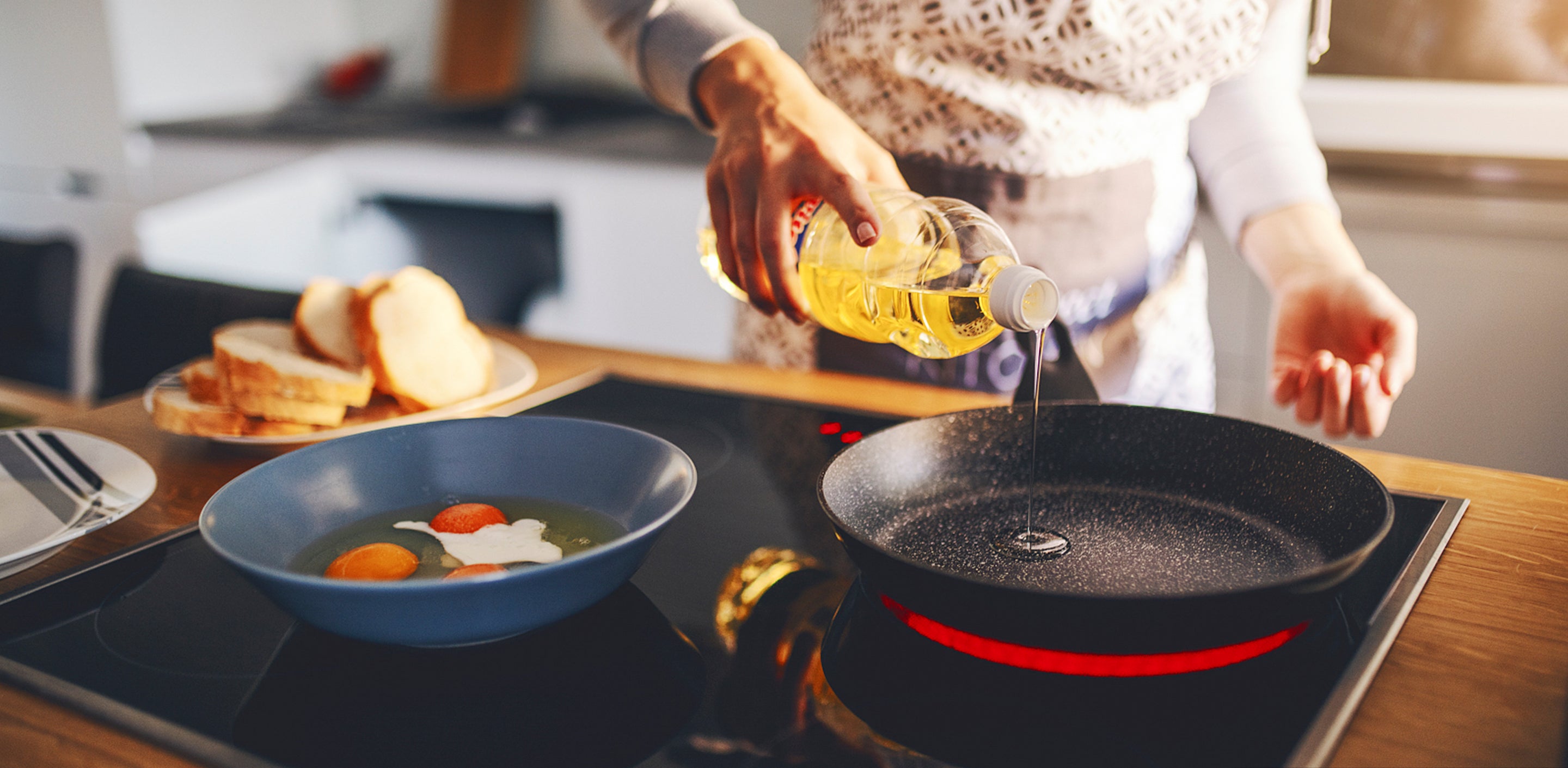

How to Choose The Best Nonstick Cookware for Your Needs
Cookware is an essential part of every kitchen, and nonstick cookware has become increasingly popular in recent years due to its ease of use and low maintenance. However, with so many options available, it can be overwhelming to choose the best nonstick cookware for your needs. In this blog, we will explore some factors to consider when choosing nonstick cookware that will help you make an informed decision. Nonstick Coating Material The nonstick coating is the most important feature of nonstick cookware. There are two types of nonstick coating materials: PTFE (Polytetrafluoroethylene) and Ceramic. PTFE-based nonstick coatings have been popular for decades and are known for their high durability and longevity. Ceramic coatings are newer to the market and are known for being free from PTFE and PFOA (Perfluorooctanoic Acid) chemicals, which some people may find concerning. When choosing between these two options, consider your cooking habits and your concerns about chemicals and environmental impact. Cookware Base Material Nonstick cookware is available in various base materials like aluminum, stainless steel, and copper. Each of these materials has its pros and cons. For example, aluminum cookware heats up quickly and distributes heat evenly, but it is prone to scratches and dents. Stainless steel cookware is durable, but it does not conduct heat as well as aluminum or copper. Copper cookware is the most expensive, but it conducts heat the best. When choosing a base material, consider factors like heat conductivity, durability, and budget. Size and Shape Nonstick cookware comes in different sizes and shapes. Consider the size of your household and the types of dishes you frequently cook. If you cook for a large family or often prepare one-pot meals, consider purchasing larger nonstick pots and pans. If you cook for one or two people, smaller cookware might be more practical. Also, consider the shapes of the cookware, whether you need a deep saucepan or a shallow frypan for your cooking needs. Handles The handles of nonstick cookware should be comfortable and easy to grip, especially when the cookware is hot. Look for handles that are heat-resistant and stay cool even when the cookware is heated. Brand and Warranty Finally, consider the brand and warranty of the nonstick cookware you are interested in. Choose a reputable brand that has a good track record of producing quality nonstick cookware. Check the warranty provided by the manufacturer, which can vary from one year to a lifetime. The warranty will cover defects and nonstick coating durability and could save you money in the long run. In conclusion, choosing the best nonstick cookware for your needs involves considering the nonstick coating material, cookware base material, size and shape, handles, and brand and warranty. By keeping these factors in mind, you can make an informed decision that will help you create delicious and healthy meals in your kitchen.
Learn more
Get to Know When to Replace Your Cookware
Common Cookware Problems: Warping, Loose Handles, Weak Joints Weak overheating can cause the cookware to distort or warp. You can check for warping by simply placing the pot or pan on a flat surface. If the pan is shaking, it may have become rounded or warped. This round shape can lead to cooking hot spots, as the pan can no longer maintain full contact with the heat source and the food can burn. Weak or loose pan joints can cause liquid to leak while cooking. Make sure to double check all handles and rivets before cooking each time. When Should I Replace My Nonstick Pan? Even if you follow proper nonstick cookware care instructions, you could still expect a few small scratches to appear on the nonstick coating while using. If your nonstick skillet or griddle is badly scratched and/or the nonstick coating starts to peel, not only will the food start to stick to the pan, but fragments of the coating can mix in your food. When Should I Replace My Stainless Steel Pan? Modern stainless steel pans are a combination of stainless steel exteriors and aluminum or copper centers. You can maintain shine and effectiveness with proper stainless steel care, but if the core starts peeking out of the stainless, it can react with some acidic foods, like ketchup, causing discoloration. When Should I Replace My Cast Iron Pan? Got rust on a cast iron pan with vinegar, steel wool, and dish soap to no avail? Pans made from miscellaneous metals can cause excessive rust. No one wants to eat rust. When Should I Replace My Enamel Cast Iron Pan? Over time, chips can develop in the enamel lining the top of the cookware. These aren't too much trouble, but once the enamel starts to flake off along the bottom or the sides you stir or scrape, it will continue to crumble and get into your food. Caring for Your Cookware All cookware should come with proper maintenance instructions for the longest return on investment. Always check your repair or replacement options before throwing away your existing cookware. In addition to the physical cookware aspects that may affect cooking, consider the following: Are the exterior surfaces of your cookware dented or discolored? Is your collection of pots and pans a mismatch? Is your cookware style conflicting with your kitchen? Have you ever found yourself using a pan that is too big or too small for your needs? Do you use one piece of cookware more than any other? Does your cookware affect your cooking pleasure? If you answered "yes" to one or more of these questions, you are ready to purchase a new nonstick or stainless steel cookware or cookware set. We know that replacing or upgrading cookware can be time-consuming, expensive, and stressful. Check out SENSARTE Cookware online store to find the cookware that best suits your needs, whether you're a budding foodie or a pro!
Learn more
Cookware Guide 104: Material Types
Ceramic Ceramic cookware is a good insulator, so it won't react quickly to heat. It's usually found in casseroles or other shapes suitable for slow cooking at a constant temperature. It is lighter than cast iron, but also more fragile. Porcelain Porcelain is fired to become very hard. While porcelain is generally considered delicate, it can actually be quite durable. It can also usually be used in stoves, ovens, and microwaves. Porcelain is typically white because it helps show more prominence. Types of Porcelain Stoneware Stoneware is also fired to a hardness similar to porcelain. The main difference between the two is that the stoneware uses a different type of clay and come in other colors besides white. Stoneware can also be available in a variety of finishes. Earthenware Earthenware is less strong and prone to chipping and scratching. This type is often used as cutlery rather than cookware. Clad Clad cookware is developed by using both types of cookware materials together to obtain all the benefits of both materials. Most of the time, stainless steel is clad with aluminum. Aluminum gives you thickness and excellent heat conductivity, and stainless steel prevents it from corroding and is easy to maintain. This type of cookware will last a lifetime and is usually heavy and very expensive. If money isn't an issue and you want the best, we definitely recommend clad cookware. Copper Copper is the best conductor of heat. It's best if you cook on a stove that has to control the temperature. However, copper can react with food and can be poisonous. Therefore, copper pots and pans are usually lined with another material, usually stainless steel. The biggest disadvantage of using copper is maintenance. Copper can discolor, so occasionally polishing is required to remove discoloration. Additionally, copper tends to dent and scratch easily. Stainless Steel Stainless steel is a very good all around general-purpose cookware. It's lightweight, durable and easy to clean. It is, however, poor conductor of heat so usually many stainless steel pieces are made of the copper or aluminum disc in the bottom to help distribute heat more evenly. Because of its smooth surface, stainless steel is easy to clean and it's dishwasher safe. If you notice some kind of discoloration, you can use stainless steel cleanser that restores natural luster. Metal utensil can be used on stainless steel or aluminum surface. Nonstick Nonstick cookware has a coating on the inside of the pan that makes it difficult for food to stick. This makes it super easy to cook healthy fat-free foods. Because the food is not sticky, it is easy to clean. It can be used in combination with many metals used in the production of cookware. The downside of this cooker is that it can be easily scratched. Stainless steel or other utensils can scratch the pan, so nylon silicone utensils are strongly recommended.
Learn more
Cookware Guide 101: Types of Cookware
When looking for new cookware, the first thing you should look for is the different types of cookware that are available. If you are a beginner, you most likely need an efficient and cost-effective solution for your cookware needs. Therefore let's start with the basics, there are four main types to consider when choosing a new cookware: Stock Pot, Fry Pan, Sauté Pan, and last but not least, Sauce Pan. Stock Pot The stock pot is a large, deep pot with a flat bottom. It is used for cooking liquid foods that do not need to be very close to the heat source. A stock pot allows you to sauté or fry and then add liquids when making soups or stews. Their high profile is great for keeping pasta submerged during the boiling process. There are a variety of sizes available for the stock pot. Keep in mind that multiple sizes could be useful when you have to cook for a small or large group of people. Fry Pan The fry pan also known as skillet is an essential kitchen workhorse and probably one of the most versatile cookware you have in the kitchen. Using the right fry pan, flipping omelets, stir-frying, and even searing protein is easy. These pans are designed with a flat bottom and curved sides, making them perfect for flipping foods or simmering with oil. So how hot can they get? It depends on what material your fry pan is made of. Nonstick pans should not go over low or medium heat to preserve their coating, while stainless steel is good for high heat. Frying pans also come in all sizes and usually come without a lid. Cast Iron Skillet Another form of frying pan is the cast iron skillet. Cast iron skillets are similar to frying pans, but the main difference is the care and materials they are made from. Given that these skillets are made of cast iron, they can be quite heavy. The best advice is, if you've never used a cast iron skillet, come and grab one before you buy. When choosing the cast iron skillet, make sure it's pre-seasoned. The problem with an unseasoned skillet is that the food will stick to it. Sauté Pan Sauté Pan is made for sautéing, which means being able to quickly move food around the pan while it is frying, and covered with the lid. Sauté pans are similar in design to frying pans, they also have flat bottoms, but the main difference between a frying pan and a sauté pan is that instead of rounded edges, a sauté pan has straight edges. Given that they are deeper than frying pans, sauté pans can be used for a variety of purposes other than sautéing. Some of these uses are deep-frying, searing and preparing certain sauces like marinara. Sauce Pan The sauce pan has a rounded bottom and tall, straight sides. This means they are a versatile cookware option for making a variety of sauces and soups. These pans can be used with or without a lid to control evaporation, which is why they are a must-have in any kitchen. It’s also ideal for many other uses, like reheating leftovers, preparing grains, boiling eggs or noodles.
Learn more
Nonstick Lesson 102: How is The Quality of Nonstick Coatings Different
Various levels or parameters of a nonstick coating can be measured to gauge its quality. In most cases, the quality of the material used and the actual amount of surface coating determines the quality and longevity of the nonstick coating. These different types of nonstick coatings can be roughly divided into the following types: OPP/Promotional: These are cookware with a single-layer nonstick coating, typically used in entry level, inexpensive cookware that doesn't perform well and doesn't last long. Moderate/OPP: This is the next level coating where the top coat has a higher amount of PTFE and the first coat is basically customized for good adhesion. This first coat is also called a primer coat. Upper Moderate/Gourmet: They feature a three-layer coating of nonstick material, usually internally reinforced with high quality microscopic hard reinforcements mixed into the coating to increase the resistance to abrasion and wear and tear. These are usually used in high end, fancy, expensive cookware. Ceramic Coatings: Ceramic is a new phenomenon in the cookware coating industry, only commercially launched in 2009, but rapidly gaining popularity as it is considered more environmentally friendly than Teflon and more versatile in terms of colors and finishes. Ceramic coated cookware is also considered to be more durable and stronger than those with a Teflon finish. In terms of price, the two are nearly equal, at least at the entry level, and are now available in supermarkets and online stores. However, it is true that most nonstick cookware made today still uses Teflon as the coating medium. To Be Continued…
Learn more
Nonstick vs Stainless Steel Pans
Knowledge of Stainless Steel Pans The stainless steel pot is your kitchen workhorse. Look for a multi-layer pan with an aluminum or copper core. Aluminum and copper are heat conductors, and these materials are then coated with stainless steel, which gives the pan a nice non-reactive surface. Like its nonstick sibling, you need a pan with a heavier bottom for maximum, even heat transfer. Thin, lightweight pans are more prone to hot spots and dents more easily. When to Use Stainless Steel Pans You can cook almost anything in a stainless steel pan. They can be more difficult to clean, but if you use enough heat and fat, most foods won't stick to the pan because they'll sear, creating a crust that will release from the bottom. Foods that require higher heat aren't the only items you can trust with the stainless steel pan: Acidic foods, metal utensils, and nonstick sprays are also welcome. Plus, these pans can withstand higher heat on the stove and oven, making them ideal for menu items that require a high sears and oven finish, like steak, chicken, pork, and braises. If you're cooking like a small whole chicken, you can even use the larger version as a roaster. When cleaning a stainless steel pan, you need to wait for the pan to cool down to avoid deformation or damage to the pan. We do not recommend putting stainless steel pans in the dishwasher. When cleaning, soaking might get you sorted if something is more difficult to remove, but if not, try some scrubs. Choose the Right Pan The main thing to keep in mind when using these pans is that they will work for you, but in order to do so, you must choose the right one for the dish you are making. Using the right equipment will not only make it last longer, it will also make you a better cook. So turn the heat down and make some crepes, or turn it up a little bit and grill your favorite protein or veggies to a deep golden brown. Lastly, hand wash the pans whenever possible.
Learn more
Nonstick vs Stainless Steel Pans
When you're shopping for cookware, whether you plan to stock your kitchen for the first time or buy something for a specific dish, the goals are efficiency and longevity. You need to buy the right equipment for the right job and make a concerted effort to use the tool the way it is intended. Therefore when shopping for a frying pan, should you buy a nonstick or stainless steel pan? If you're a regular cook, the short answer is that you need both. Knowledge of Nonstick Pans The core of a nonstick pan is usually made of aluminum and then coated with a nonstick material (PFOA-free Teflon or ceramic). A light, weightless pan might look ideal, but when choosing any pot or pan, you need a thicker, heavier bottom to distribute the heat evenly. Ideally the nonstick pan is oven proof and has an oven friendly coated handle. It's not necessary, but it comes in handy when you want to make baked egg dishes like omelettes. If you do get an oven-safe pan, you'll want to check how much heat the pan can handle. Exceeding this number could damage the pan and the food being cooked. When To Use Nonstick Pans Now that you know how to buy nonstick pans, let's talk about how you'll use them and take care of them. For starters, calorie reduction is the name of the game for the reasons above. Nonstick pans are able to do what they do because of their nonstick coating, and nonstick coatings can be affected by overheating. Stick to more delicate foods such as eggs, crepes, pancakes, and very delicate fish, which can be cooked on medium and low heat. Never sear in a nonstick pan. Searing requires high heat, and nonstick pans cannot be used with high heat. Also, you want to avoid acidic foods (like ketchup or wine) and nonstick cooking sprays. Acids can wear away the coating, and nonstick sprays can create residues that are hard to remove. Use oil or butter instead of nonstick spray. Next, a life rule worth repeating: Use wood, silicone, or rubber utensils on nonstick pans. And don't put nonstick pans in the dishwasher - they can't handle the heat of the dishwasher, even if the label tells you they can. The combination of heat and water is horrible for metals and, in this case, will destroy your coating. Lastly, I think it's important to remember to try as much as you can and never go over medium heat, or always remember to use certain utensils and avoid certain foods. Sometimes the nonstick is the only pan that is clean, sometimes all rubber spatulas are in the dishwasher, and sometimes you forget that you can't add a can of tomato sauce. Even with our best efforts, the coating on these pans will wear off. This is not anyone's failure, it is reality. If the food starts to stick, you can't stick with this nonstick pan any more. This pan has a quality that makes it worth your kitchen space. Once this quality doesn't work, it needs to be replaced. Don't scrape scrambled eggs with a wooden spoon for the next few years. To Be Continued…
Learn more
5 Mistakes to Avoid with Nonstick Cookware
Do Not Put Nonstick Cookware in Dishwasher When it comes to cleaning, hand washing is the best. The nonstick surface should make it a simple and easy process. Let the pans cool to room temperature before cleaning. This will ensure it doesn't deform due to temperature fluctuations. From there, use cool water and a sponge or soft brush with a few drops of dish soap to wash away any stubborn food. As long as your nonstick pans are in good shape, the process should be as simple as a quick wipe and rinse. Do Not Use Abrasive Cleaners or Metal Utensils It's tempting, but even if you promise to do your best not to scratch the pan during use, metal utensils are a surefire way to cause lasting damage to nonstick pans because they can easily scratch the coating surface. Abrasive cleaners and stacked pans can also scratch or the surface, so avoid these pitfalls too. If stacking is your only option, place a dish towel between each pan as a protective layer. Make Sure to Avoid Shocking Temperature Changes Few materials perform well from hot to cold or vice versa and nonstick cookware is no exception. As we mentioned above in the instructions for hand washing the pans after they have cooled, the practice of allowing the pans to come to a new temperature gradually will help avoid warping. The same can be said if you want to take your pans from the fridge to the stovetop. Let’s be honest, your pan shouldn’t have been in the fridge in the first place. Nonstick pans are not for food storage, especially when we're talking a big pot of marinade. As with cast iron, prolonged exposure to acidic components will wear down the finish. Do Not Dry Heating Your Nonstick Cookware Don't let your pan heat up without food or liquid. The pan can heat to an unsafe temperature in a few minutes or less, so having something in the pan will help keep the temperature steady and avoid spoilage and smoking. While we're on the topic, it's also not advisable to let your nonstick cookware get too hot regardless of what's in it. It's best to avoid heat levels that exceed the medium setting of your stovetop. High temperatures in the oven are also definitely not wise. For items that need a tasty crust, pull out your trusty cast iron for searing work. Do Not Use Cooking Sprays What makes the super smooth surface even more nonstick? Cooking spray, right? Definitely wrong. Lecithin, an ingredient in the spray, is the nemesis of nonstick coatings and will adhere to it even when you don't want it to. If you just want to give your nonstick pan a little extra kick by dusting it a little, a spray of oil will do the trick.
Learn more
Learn How to Chop an Onion
Many recipes begin with the simple task of chopping an onion, from soups to stir-fries or sauces to your favorite pastas, casseroles, and stews. Whether your recipe calls for wedges, slices, or cubes, get it right and you'll reduce the prep time and feel like a pro. What Do You Need There are a few essentials you need in order to properly chop onions. First of all, you need onions. The basic cutting techniques work with all types of onions, whether you need white, red or sweet onions. Next, you'll need a stable cutting board large enough to cut the onion. Then you need your knife or knives, that's all. We recommend using a chef's knife. Make sure yours is sharp as it will make this task and all other cutting techniques easier and safer. Also, you'll need a paring knife to peel the onion first. Get Started First of all, cut off the stem end of the onion and remove the onion skin by gripping between your thumb and the blade of a paring knife. How to Slice Cut the onion in half from the root. Use the tip of a knife to cut a wedge around the root and remove. Then, cut directly into the cutting board. When the onion is too narrow to stand upright, turn it over and finish slicing. How to Chop and Dice an Onion Start by cutting the onion in half from the root. Then, place one half flat side down. Slice lengthwise at even intervals, being careful not to cut through the root end. Next, slice horizontally toward the root end at even intervals. Finally, make vertical cuts and crosswise vertical cuts onto a cutting board to create even-sized pieces. To dice an onion, simply cut in wide intervals. How to Cut Onion Wedges Keeping the root intact, aim the knife toward the center of the onion and make a cut. A small piece of root in each wedge helps it stick together when cooked. If you want to know more cooking skills, please feel free to leave your comment in below area or email us directly at Support@Sensarte.com.
Learn more