


Blogs

Nonstick Cookware: Creating Safe and Fun Cooking Experiences with Kids
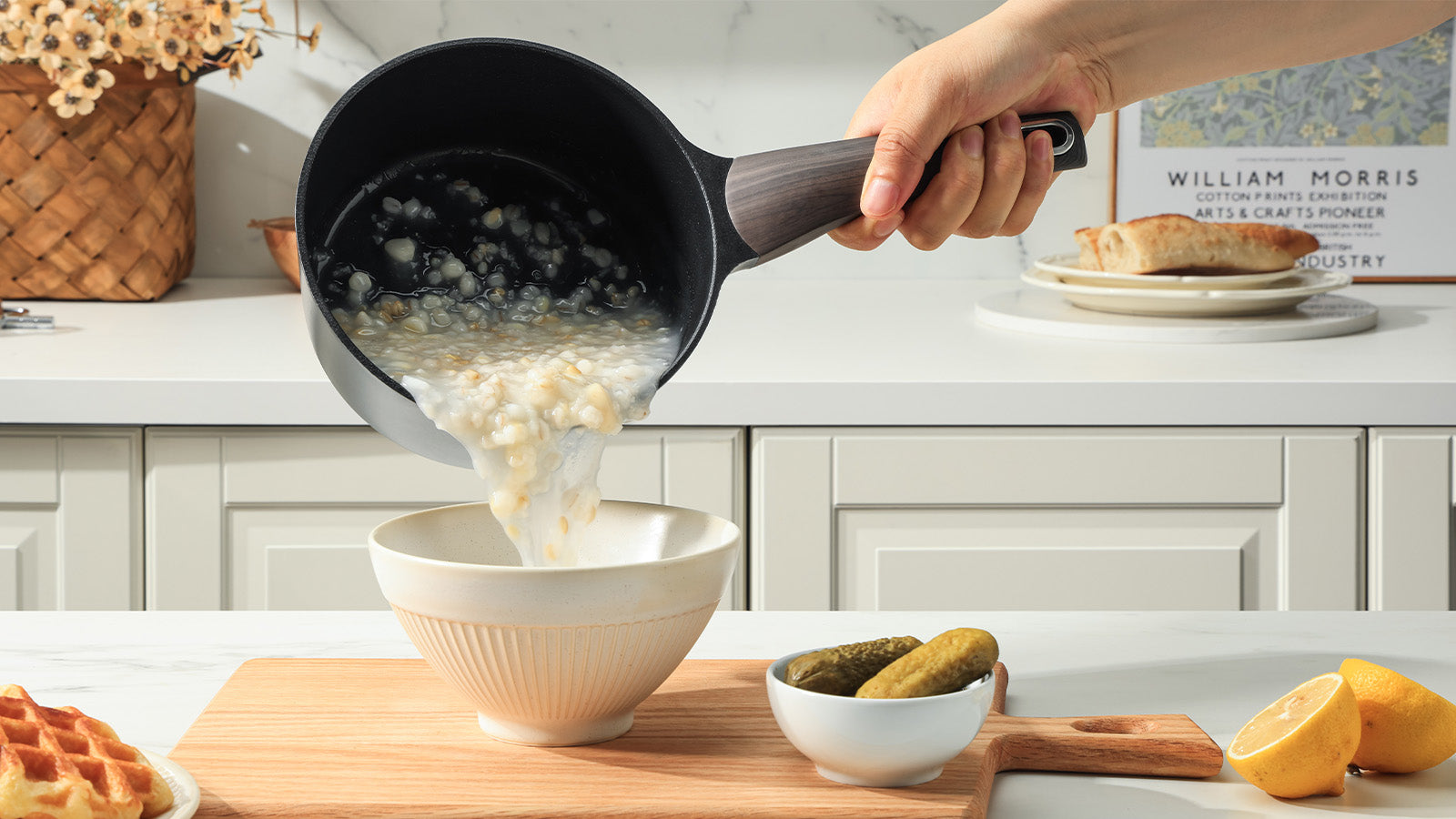
Cooking with kids can be a delightful experience for both parents and children. It's an opportunity to bond, teach essential life skills, and ignite a love for food and cooking. To make this experience even more enjoyable and safe, it's crucial to have the right tools in your kitchen. SENSARTE Cookware offers a fantastic range of nonstick cookware that is perfect for cooking with kids. Let’s explore together why SENSARTE nonstick cookware is ideal for family cooking adventures and share some fun and safe recipes to try with your little chefs. Why Choose SENSARTE Nonstick Cookware for Cooking with Kids SENSARTE Cookware has earned a reputation for producing high-quality, durable, and safe cookware. When it comes to cooking with kids, here are some reasons why SENSARTE nonstick cookware stands out: Safety First: SENSARTE nonstick cookware is PFOA-free, ensuring that no harmful chemicals are released when cooking at high temperatures. This feature is essential when cooking with kids, as it prioritizes their health and safety. Easy to Clean: The nonstick surface of SENSARTE cookware makes it a breeze to clean up after cooking with kids. You'll spend less time scrubbing and more time enjoying your meal. Even Heating: SENSARTE's cookware offers even heating, preventing hot spots that could lead to accidental burns. This feature provides a more controlled cooking environment for your young helpers. Durability: Kids can be a bit enthusiastic in the kitchen, and SENSARTE cookware is built to withstand daily use. You won't have to worry about it getting scratched or damaged easily. Versatility: SENSARTE offers a wide range of nonstick cookware, from frying pans to saucepans and griddles. This versatility means you can explore a variety of recipes with your kids. Fun and Safe Recipes to Try with Your Kids Pancake Art: Start your mornings with a creative pancake-making session. Use the SENSARTE Nonstick Crepe Pan to make pancake art. Let your kids design their own pancake shapes, from animals to smiley faces, and watch their artistic skills shine through. Mini Omelettes: Prepare mini omelettes with your SENSARTE Nonstick Frying Pan Skillet. Set up a mini omelette bar with various toppings like cheese, bell peppers, and tomatoes. Your kids can customize their omelettes with their favorite ingredients. Homemade Pizza: Make pizza night a family affair. Roll out pizza dough on the baking sheet, add sauce, cheese, and toppings of choice, then bake with your SENSARTE Nonstick Crepe Pan (remember to remove the handle). Kids love getting hands-on with the pizza-making process. Fruit Kabobs: Create colorful fruit kabobs using a SENSARTE Nonstick Griddle Pan. Let your kids assemble the kabobs with their favorite fruits like strawberries, pineapples, and bananas. Drizzle with chocolate or yogurt for an extra treat. Stir-Fry Adventure: Whip up a vegetable stir-fry using a SENSARTE Nonstick Sauté Pan. Kids can help wash and chop vegetables (with supervision), and the nonstick surface makes stir-frying easy and enjoyable. DIY Ice Cream Sandwiches: Bake cookies on a SENSARTE nonstick baking sheet and let them cool. Allow your kids to scoop their favorite ice cream flavor between two cookies to create delicious homemade ice cream sandwiches. Tips for Cooking Safely with Kids Safety First: Teach kids about the importance of kitchen safety, such as using oven mitts, handling knives properly, and keeping hot pans away from the edge of the counter. Age-Appropriate Tasks: Assign age-appropriate tasks to kids. Younger children can help with washing produce and mixing ingredients, while older kids can handle more complex tasks. Have Patience: Cooking with kids can be messy and may take longer than doing it yourself. Embrace the mess and enjoy the process together. Encourage Creativity: Let kids express their creativity in the kitchen. Whether it's arranging toppings on a pizza or decorating cupcakes, cooking is an art. Praise and Positive Feedback: Celebrate your child's culinary creations, no matter how simple. Positive feedback boosts their confidence and makes them more eager to help in the kitchen. Cooking with kids is a rewarding experience that can instill a lifelong love for food and cooking. To ensure that these moments are both fun and safe, having the right cookware is essential. SENSARTE nonstick cookware provides the perfect platform for creating delicious family memories in the kitchen. Try these fun and safe recipes with your kids and watch as they develop their culinary skills and creativity. With SENSARTE, you're not just cooking; you're creating cherished moments together.
Learn more
Safeguarding Your Health: Understanding the Significance of Kitchen Hygiene and Food Safety
The importance of kitchen hygiene and food safety cannot be overstated. In the heart of every home, the kitchen is where meals are prepared and memories are made. It's crucial to prioritize cleanliness and proper food handling practices to ensure the health and well-being of your family. By maintaining a clean and safe kitchen environment, you not only prevent the spread of harmful bacteria and foodborne illnesses but also promote a healthy and enjoyable cooking experience. Let's explore the significance of kitchen hygiene and food safety, along with essential tips to incorporate into your daily routine. Why Kitchen Hygiene and Food Safety Are Important Preventing Foodborne Illnesses: Ensuring proper kitchen hygiene and food safety measures significantly reduces the risk of foodborne illnesses caused by harmful bacteria, viruses, and contaminants. These illnesses can range from mild discomfort to severe health complications, particularly for vulnerable individuals such as children, the elderly, and those with weakened immune systems. Maintaining Ingredient Freshness and Quality: Proper kitchen hygiene and food safety practices also help in preserving the freshness and quality of ingredients. Cross-contamination, improper storage, and inadequate cleaning can degrade the taste, texture, and nutritional value of food items. By handling and storing ingredients correctly, cleaning utensils and equipment thoroughly, and practicing good hygiene habits, we can ensure that the flavors and nutritional benefits of our ingredients are preserved, resulting in better-tasting and healthier meals. Promoting Overall Health: A hygienic kitchen contributes to overall health and well-being. By keeping your kitchen clean, you reduce the chances of pests and insects invading your space and contaminating your food. Additionally, practicing good kitchen hygiene encourages a clean and healthy mindset, leading to positive habits in other areas of your life. Building Trust and Confidence: Whether you're cooking for your family, friends, or customers, maintaining kitchen hygiene and food safety builds trust and confidence. When people know that you prioritize their health and well-being by adhering to strict hygiene standards, they can enjoy the meals you prepare without worry. It enhances your reputation as a responsible and reliable cook or chef, creating a positive dining experience for everyone involved. Tips to Keep Kitchen Hygiene and Food Safety Hand Hygiene: Wash your hands thoroughly with soap and warm water for at least 20 seconds before handling food, after using the restroom, and after touching raw meat, poultry, or seafood. Proper hand hygiene is one of the most effective ways to prevent the spread of harmful bacteria. Food Storage: Store raw meats, poultry, and seafood separately from ready-to-eat foods to avoid cross-contamination. Use airtight containers or plastic wraps to keep leftovers and perishable items fresh. Regularly check expiration dates and discard any expired or spoiled food. Cleaning and Sanitizing: Regularly clean and sanitize countertops, cutting boards, utensils, and kitchen surfaces. Use hot, soapy water or a suitable disinfectant to remove bacteria and food particles. Pay special attention to areas prone to moisture and food residue buildup, such as sinks and refrigerator shelves. Cooking Temperatures: Cook foods thoroughly to their recommended internal temperatures to eliminate harmful bacteria. Use a food thermometer to ensure that meats, poultry, and seafood reach the appropriate temperature. Avoid leaving cooked food at room temperature for an extended period and promptly refrigerate leftovers. Cross-Contamination Prevention: Keep raw meats, poultry, and seafood separate from other foods during storage, preparation, and cooking. Use separate cutting boards, utensils, and plates for different types of ingredients. Clean and sanitize these items thoroughly after each use to prevent cross-contamination. Personal Hygiene: Maintain personal hygiene by tying back long hair, wearing clean clothing, and avoiding coughing or sneezing directly over food. If you are feeling unwell or have an open wound, refrain from handling or preparing food to prevent the risk of contamination. A clean and safe kitchen is the foundation of healthy and enjoyable meals. By prioritizing kitchen hygiene and food safety, you protect yourself and your loved ones from foodborne illnesses and maintain the nutritional integrity of your meals. Remember to implement proper hand hygiene, practice safe food storage and handling, and keep your kitchen surfaces clean and sanitized. By following these essential tips, you can create a safe and welcoming culinary space that promotes well-being and happiness for all.
Learn more