


Blogs
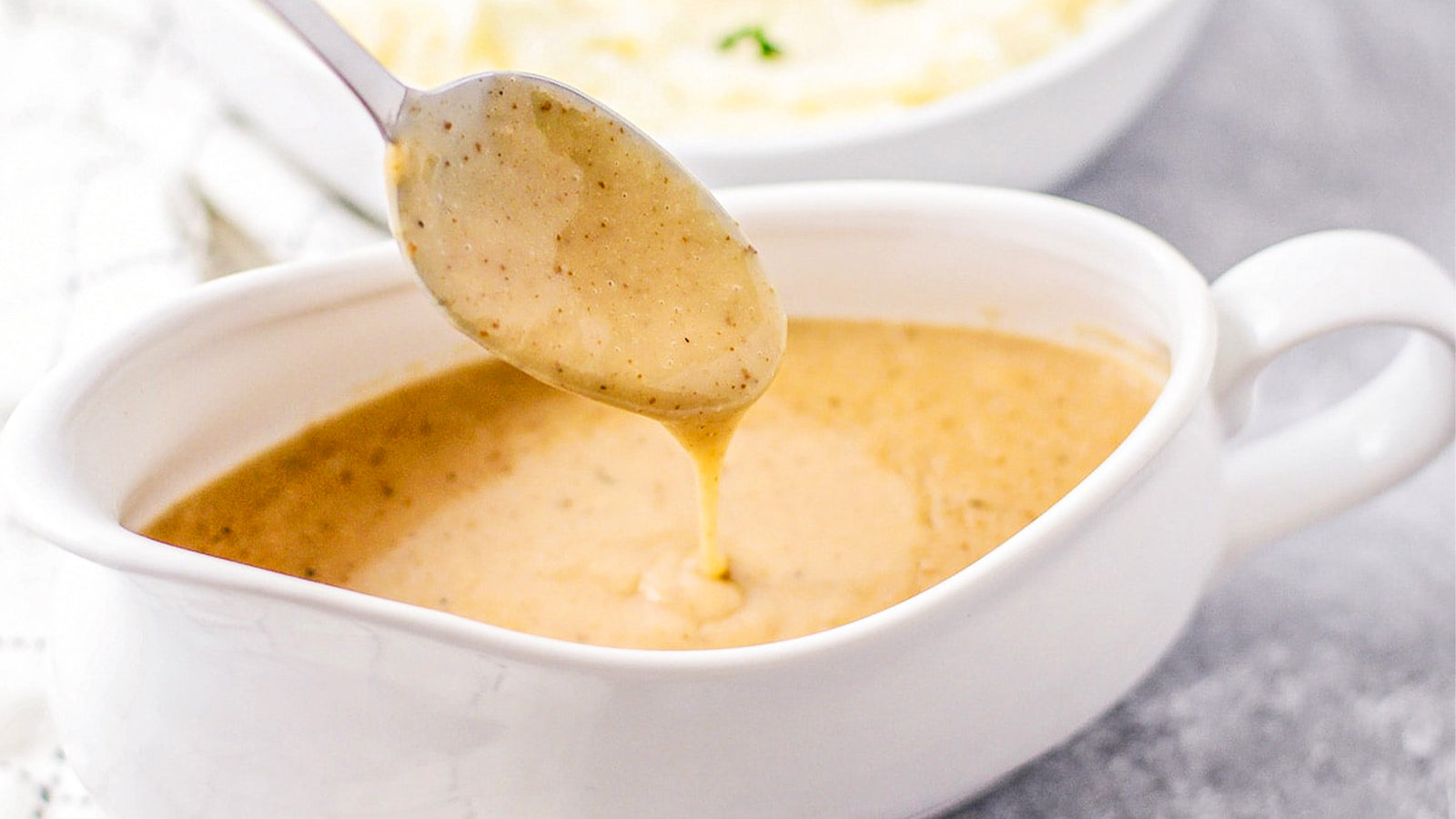

Culinary Precision in the Kitchen: A Guide to Cooking Basics and Measuring Techniques
Cooking is an art, and like any art form, it requires precision and attention to detail. One of the fundamental aspects of successful cooking is accurate measuring. Whether you're a seasoned chef or a novice in the kitchen, understanding the basics of measuring is crucial for achieving consistent and delicious results. In this comprehensive guide, we'll explore the importance of measuring, different measuring tools, and tips for precise measurements. The Importance of Accurate Measurements Accurate measuring is the backbone of successful cooking. It ensures that the right balance of ingredients is achieved, leading to the desired taste and texture in your dishes. Here's why precise measurements matter: Precision in Baking: Baking is often likened to chemistry, where exact measurements can make or break a recipe. Too much or too little of an ingredient, especially in recipes involving flour, sugar, or leavening agents, can significantly alter the texture and taste of the final product. Balancing Flavors: In cooking, especially in savory dishes, balance is key. Measuring ingredients like salt, spices, and acids ensures that your dish is well-seasoned and harmonious. Too much salt can overpower other flavors, while too little can leave a dish tasting bland. Consistency in Replication: If you've ever created a culinary masterpiece, you'd want to replicate it. Accurate measurements are the key to consistency. Whether it's your secret sauce or the perfect cookie recipe, precise measurements ensure that each iteration is as delightful as the last. Essential Measuring Tools Measuring Cups: These come in various sizes and are used for both dry and liquid ingredients. For dry ingredients, use a flat-edge utensil to level the ingredient with the rim of the cup. For liquids, place the measuring cup on a flat surface and check at eye level for an accurate measurement. Measuring Spoons: These are indispensable for precise measurements of small amounts of ingredients like spices, baking powder, or vanilla extract. Ensure that the ingredients are level with the measuring spoon for accuracy. Kitchen Scale: A kitchen scale is excellent for measuring ingredients by weight, providing the most accurate results. It's especially useful for baking where precision is crucial. Tips for Precise Measurements Use the Right Tools: Ensure you are using the correct measuring tools for dry and liquid ingredients. For example, measuring cups for flour and measuring spoons for extracts. Level Dry Ingredients: When measuring dry ingredients, use a flat edge to level off excess. This ensures you're not using more than the recipe requires. Check Expiry Dates: Especially in baking, where leavening agents like baking soda and baking powder play a crucial role, ensure your ingredients are fresh and haven't expired. Use Clear Measuring Cups for Liquids: For liquids, use measuring cups with clear markings and measure at eye level for accuracy. Proper Technique: When measuring flour, spoon it into the measuring cup and level it off. Don't scoop directly from the bag, as it can compress the flour, leading to inaccurate measurements. Tare the Scale: When using a kitchen scale, place your container on the scale and "tare" or zero it out. This way, you're only measuring the weight of the ingredient you're adding. Understand Metric Conversions: Familiarize yourself with metric measurements, especially if you're following a recipe that uses grams and milliliters. Mastering the art of measuring is a fundamental step towards becoming a confident and skilled cook. Whether you're baking a cake, preparing a sauce, or cooking a savory dish, precision in measurements is your secret ingredient for culinary success. Invest in quality measuring tools, follow best practices, and watch as your cooking reaches new heights of flavor and consistency. Here's to joyful and precise cooking!
Learn more
Nonstick Cookware: Creating Safe and Fun Cooking Experiences with Kids
Cooking with kids can be a delightful experience for both parents and children. It's an opportunity to bond, teach essential life skills, and ignite a love for food and cooking. To make this experience even more enjoyable and safe, it's crucial to have the right tools in your kitchen. SENSARTE Cookware offers a fantastic range of nonstick cookware that is perfect for cooking with kids. Let’s explore together why SENSARTE nonstick cookware is ideal for family cooking adventures and share some fun and safe recipes to try with your little chefs. Why Choose SENSARTE Nonstick Cookware for Cooking with Kids SENSARTE Cookware has earned a reputation for producing high-quality, durable, and safe cookware. When it comes to cooking with kids, here are some reasons why SENSARTE nonstick cookware stands out: Safety First: SENSARTE nonstick cookware is PFOA-free, ensuring that no harmful chemicals are released when cooking at high temperatures. This feature is essential when cooking with kids, as it prioritizes their health and safety. Easy to Clean: The nonstick surface of SENSARTE cookware makes it a breeze to clean up after cooking with kids. You'll spend less time scrubbing and more time enjoying your meal. Even Heating: SENSARTE's cookware offers even heating, preventing hot spots that could lead to accidental burns. This feature provides a more controlled cooking environment for your young helpers. Durability: Kids can be a bit enthusiastic in the kitchen, and SENSARTE cookware is built to withstand daily use. You won't have to worry about it getting scratched or damaged easily. Versatility: SENSARTE offers a wide range of nonstick cookware, from frying pans to saucepans and griddles. This versatility means you can explore a variety of recipes with your kids. Fun and Safe Recipes to Try with Your Kids Pancake Art: Start your mornings with a creative pancake-making session. Use the SENSARTE Nonstick Crepe Pan to make pancake art. Let your kids design their own pancake shapes, from animals to smiley faces, and watch their artistic skills shine through. Mini Omelettes: Prepare mini omelettes with your SENSARTE Nonstick Frying Pan Skillet. Set up a mini omelette bar with various toppings like cheese, bell peppers, and tomatoes. Your kids can customize their omelettes with their favorite ingredients. Homemade Pizza: Make pizza night a family affair. Roll out pizza dough on the baking sheet, add sauce, cheese, and toppings of choice, then bake with your SENSARTE Nonstick Crepe Pan (remember to remove the handle). Kids love getting hands-on with the pizza-making process. Fruit Kabobs: Create colorful fruit kabobs using a SENSARTE Nonstick Griddle Pan. Let your kids assemble the kabobs with their favorite fruits like strawberries, pineapples, and bananas. Drizzle with chocolate or yogurt for an extra treat. Stir-Fry Adventure: Whip up a vegetable stir-fry using a SENSARTE Nonstick Sauté Pan. Kids can help wash and chop vegetables (with supervision), and the nonstick surface makes stir-frying easy and enjoyable. DIY Ice Cream Sandwiches: Bake cookies on a SENSARTE nonstick baking sheet and let them cool. Allow your kids to scoop their favorite ice cream flavor between two cookies to create delicious homemade ice cream sandwiches. Tips for Cooking Safely with Kids Safety First: Teach kids about the importance of kitchen safety, such as using oven mitts, handling knives properly, and keeping hot pans away from the edge of the counter. Age-Appropriate Tasks: Assign age-appropriate tasks to kids. Younger children can help with washing produce and mixing ingredients, while older kids can handle more complex tasks. Have Patience: Cooking with kids can be messy and may take longer than doing it yourself. Embrace the mess and enjoy the process together. Encourage Creativity: Let kids express their creativity in the kitchen. Whether it's arranging toppings on a pizza or decorating cupcakes, cooking is an art. Praise and Positive Feedback: Celebrate your child's culinary creations, no matter how simple. Positive feedback boosts their confidence and makes them more eager to help in the kitchen. Cooking with kids is a rewarding experience that can instill a lifelong love for food and cooking. To ensure that these moments are both fun and safe, having the right cookware is essential. SENSARTE nonstick cookware provides the perfect platform for creating delicious family memories in the kitchen. Try these fun and safe recipes with your kids and watch as they develop their culinary skills and creativity. With SENSARTE, you're not just cooking; you're creating cherished moments together.
Learn more
Crafting Culinary Magic: How to Create Your Own Spice Blends and Seasoning Mixes
In the world of cooking, spices are the enchanting spells that can transform a bland dish into a flavorful masterpiece. But what's even more magical is when you create your own spice blends and seasoning mixes. The power to tailor flavors to your exact liking, to conjure up unique profiles that suit your dishes, and to elevate your culinary creations is within your grasp. In this blog, we'll embark on a journey to demystify the art of crafting spice blends that will bewitch your taste buds. Why Make Your Own Spice Blends Tailored Taste: Creating your spice blends allows you to fine-tune flavors to your preference. You can adjust the heat, sweetness, and complexity precisely. Freshness: Homemade blends guarantee the use of fresh, high-quality ingredients, unlike store-bought counterparts that may have been on the shelf for months. No Preservatives: You have control over what goes into your blends. Say goodbye to artificial additives and preservatives. Endless Variety: The possibilities are endless. From Cajun spice to curry powder, you can craft seasonings inspired by global cuisines. Getting Started: Essential Spices and Tools Before you embark on your spice-blending journey, ensure you have these essentials: Ingredients: Whole Spices: Invest in high-quality whole spices whenever possible. They have a longer shelf life and retain their flavor better than pre-ground spices. Herbs: Dried herbs like basil, thyme, oregano, and rosemary are excellent additions. Salt and Pepper: Kosher or sea salt and freshly ground black pepper are essential. Dried Chilies: If you like a bit of heat, dried chilies, like chili flakes or smoked paprika, are wonderful. Aromatics: Garlic and onion powder are versatile choices. Tools: Mortar and Pestle: Ideal for grinding whole spices and herbs. Coffee Grinder: Great for turning spices into fine powders. Measuring Spoons and Cups: Accurate measurements are crucial. Airtight Containers: Glass jars or spice containers with airtight seals keep your blends fresh. Common Spice Blends and Recipes Italian Seasoning: A classic blend of dried basil, oregano, thyme, and rosemary. Ideal for pasta sauces and pizza. Cajun Spice: Mix paprika, cayenne, garlic powder, onion powder, thyme, and oregano for a spicy kick. Perfect for blackened fish or chicken. Curry Powder: Customize your curry with a blend of turmeric, cumin, coriander, cardamom, and ginger. Taco Seasoning: Create your taco seasoning with chili powder, cumin, paprika, garlic powder, onion powder, and oregano. Tips for Blending: Balance is Key: Strive for balance in flavors. Experiment and adjust until you achieve harmony. Grinding: Grind whole spices just before using them in blends for maximum flavor. Labeling: Always label your blends with the date of creation. Spices lose potency over time. Storage: Store your blends in a cool, dark place. Avoid keeping them near the stove or in direct sunlight. Craft Your Culinary Masterpiece Making your own spice blends and seasoning mixes is a delightful journey of flavor discovery. With SENSARTE Cookware in your kitchen, you have the perfect ally for experimenting with these blends. The precision and even heating ensure your dishes turn out just as enchanting as you imagine. So, gather your spices, unleash your creativity, and embark on a culinary adventure that will elevate your dishes to new heights. Don't just cook; conjure culinary magic!
Learn more
Cooking for Kids: Healthy and Fun Recipes the Whole Family Will Love
Cooking for kids can be a challenging task, especially when you're trying to strike a balance between delicious and nutritious. It's not always easy to get little ones excited about healthy meals, but with the right approach and a dash of creativity, you can transform mealtime into a fun and enjoyable experience for the whole family. In this blog post, we'll explore some fantastic recipes and cooking tips that will not only make your kids' taste buds dance but also ensure they're getting the nutrients they need. Getting Started: Kid-Friendly Ingredients Before we dive into the recipes, let's talk about some kid-friendly ingredients that should always be in your pantry and refrigerator: Fresh Fruits and Vegetables: Incorporate a variety of colorful fruits and veggies into your meals. Carrot sticks, cucumber slices, and apple wedges make excellent snacks. Whole Grains: Opt for whole-grain bread, pasta, and rice. They provide more fiber and nutrients than their refined counterparts. Lean Proteins: Choose lean sources of protein like skinless chicken, turkey, lean beef, and plant-based options like tofu and beans. Dairy or Dairy Alternatives: Include low-fat dairy products or dairy alternatives like almond milk for calcium. Healthy Fats: Avocado, nuts, and olive oil are excellent sources of healthy fats. Recipes: Healthy and Fun for Kids Veggie Popsicles: Create colorful and nutritious popsicles by blending fresh fruits like strawberries, bananas, and blueberries with spinach or kale. Pour the mixture into popsicle molds and freeze for a refreshing treat. Mini Veggie Pizzas: Set up a pizza-making station with whole-grain English muffins or pita bread, tomato sauce, and an assortment of veggie toppings. Let the kids assemble their mini pizzas and bake until the cheese is bubbly. Rainbow Pasta Salad: Cook whole-grain pasta and let it cool. Toss it with diced bell peppers, cherry tomatoes, cucumbers, and a light vinaigrette dressing. The vibrant colors will entice the little ones. Fruit Kebabs: Thread chunks of fresh fruit onto wooden skewers to create colorful fruit kebabs. Serve with a yogurt dip for added fun. DIY Burrito Bowls: Set up a burrito bowl bar with brown rice, black beans, grilled chicken, sautéed peppers and onions, salsa, and shredded cheese. Kids can customize their bowls with their favorite ingredients. Cooking Tips for Kids Involve Them: Encourage your children to participate in meal preparation. They can wash veggies, stir ingredients, or arrange food on plates. Make it Fun: Turn mealtime into an adventure. Use cookie cutters to shape sandwiches, create funny food faces on their plates, or come up with a food-themed story. Be Patient: Kids can be picky eaters, and it may take several tries before they develop a taste for certain foods. Keep offering a variety of options. Set a Good Example: Children are more likely to embrace healthy eating habits if they see their parents enjoying nutritious foods. Cooking for kids doesn't have to be a daunting task. With a bit of planning and creativity, you can prepare meals that are both nutritious and enjoyable. These recipes and tips are just a starting point. Feel free to experiment and discover what works best for your family. By making healthy eating a fun and interactive experience, you'll not only nourish your children's bodies but also foster a lifelong love for wholesome foods.
Learn more
Waste Not, Want Not: Cooking Smart with Leftovers for Sustainable Eating
Reducing food waste is not only beneficial for the environment but also a great way to save money and get creative in the kitchen. Instead of tossing out leftovers, why not transform them into delicious meals using your SENSARTE Cookware? With its exceptional nonstick properties and versatile cooking options, SENSARTE Cookware makes it easy to whip up tasty dishes while minimizing food waste. Leftover Roast Chicken Stir-Fry Turn yesterday's roast chicken into a flavorful stir-fry. Heat up your SENSARTE Nonstick Deep Frying Pan Skillet and sauté leftover chicken pieces with a medley of vegetables like bell peppers, carrots, and snap peas. Add some soy sauce, garlic, and ginger for an Asian-inspired twist. Serve over steamed rice or noodles for a satisfying meal. Veggie Frittata with Leftover Vegetables Don't let those leftover vegetables go to waste! In a SENSARTE Nonstick Frying Pan Skillet, sauté the veggies with some onions and garlic until softened. Whisk eggs with a splash of milk, season with salt and pepper, and pour over the vegetables. Cook on low heat until the eggs are set. Top with cheese and broil until golden and bubbly. A perfect way to enjoy a hearty breakfast or brunch. Pasta Salad with Leftover Pasta Give your leftover pasta a refreshing twist by transforming it into a delicious pasta salad. In a SENSARTE Nonstick Sauce Pan, whisk together olive oil, vinegar, herbs, and spices to create a zesty dressing. Toss the dressing with the leftover pasta and add chopped vegetables like cherry tomatoes, cucumbers, and olives. Sprinkle some feta cheese on top for an extra burst of flavor. Leftover Rice Stir-Fry Put your leftover rice to good use by making a flavorful stir-fry. Heat up your SENSARTE Nonstick Sauté Pan and add some oil. Sauté onions, garlic, and your choice of protein like shrimp or chicken. Add the leftover rice, along with vegetables like peas, carrots, and corn. Season with soy sauce, sesame oil, and spices. Stir-fry until everything is heated through and well-combined. Panini or Grilled Sandwiches Leftover meats, cheeses, and vegetables can be transformed into mouthwatering panini or grilled sandwiches. Heat up your SENSARTE Nonstick Griddle Pan or Skillet and assemble the sandwich with the leftovers and desired condiments. Cook the sandwich on the griddle or skillet, pressing it down with a spatula, until the bread is toasted and the cheese is melted. The nonstick surface ensures that the sandwich doesn't stick and allows for easy flipping. Remember, the key to cooking with leftovers is to be creative and open-minded. Don't be afraid to experiment with different flavor combinations and techniques. SENSARTE Cookware's nonstick surface ensures that your ingredients won't stick, making cleanup a breeze. By embracing the art of cooking with leftovers, you'll not only reduce food waste but also discover exciting new dishes that will delight your taste buds. So, the next time you have leftovers in your fridge, don't let them go to waste. Let your imagination and SENSARTE Cookware inspire you to create something new and exciting in the kitchen!
Learn more
Homemade Jam and Preserves: A Delicious DIY Adventure
There's something special about homemade jam and preserves. The rich flavors, the vibrant colors, and the satisfaction of knowing you made it yourself. If you've been wanting to try your hand at preserving fruits and creating your own delicious spreads, you're in the right place. In this guide, we'll take you through the step-by-step process of making homemade jam and preserves using your trusty SENSARTE nonstick cookware. Get ready to embark on a culinary adventure and fill your pantry with jars of delightful sweetness. Why Choose Homemade Jam and Preserves Making your own jam and preserves offers numerous benefits. First and foremost, you have complete control over the ingredients, ensuring that you use high-quality fruits and natural sweeteners. You can also customize the flavors to suit your preferences and experiment with unique combinations that you won't find in store-bought varieties. Plus, homemade jams and preserves make wonderful gifts that are sure to impress your friends and family. Essential Tools for Jam and Preserves Making Before we dive into the recipe, let's gather the essential tools you'll need: SENSARTE Nonstick Cookware: A reliable and high-quality nonstick frying pan or saucepan from SENSARTE Cookware will be your go-to for cooking the fruit mixture. Its superior nonstick surface ensures easy stirring and prevents the fruit from sticking to the pan. Mason Jars or Glass Containers: You'll need clean and sterilized mason jars or glass containers to store your homemade jam and preserves. Ensure they have airtight lids to maintain freshness. Wooden Spoon or Silicone Spatula: Use a wooden spoon or silicone spatula for stirring the fruit mixture to prevent scratching the nonstick surface of your cookware. Canning Funnel: This optional tool helps you transfer the hot jam or preserves into the jars without making a mess. Let's Get Jamming: Homemade Jam and Preserves Recipe Ingredients: 2 pounds fresh fruit (strawberries, raspberries, peaches, etc.) 2 cups granulated sugar 1 tablespoon lemon juice (optional, for tartness) 1 teaspoon lemon zest (optional, for added flavor) Instructions: 1. Prepare the Fruit: Wash and chop the fruit into small pieces, removing any stems, pits, or seeds. If using berries, gently mash them with a fork or potato masher to release their juices. For firmer fruits like peaches, you can dice or slice them. 2. Cook the Fruit Mixture: In your SENSARTE nonstick frying pan or saucepan, combine the chopped fruit, sugar, lemon juice (if using), and lemon zest (if using). Stir well to combine. Place the pan over medium heat and bring the mixture to a gentle boil, stirring occasionally to dissolve the sugar. Reduce the heat to low and let the mixture simmer for about 30-45 minutes or until it thickens and reaches the desired consistency. Stir occasionally to prevent sticking. 3. Test for Doneness: To check if the jam or preserves have reached the right consistency, place a small amount on a chilled plate and let it cool for a few seconds. If it thickens and wrinkles when you push it with your finger, it's ready. If not, continue cooking for a few more minutes and repeat the test. 4. Fill and Store: Once the jam or preserves have reached the desired consistency, carefully transfer the hot mixture into sterilized mason jars or glass containers, leaving about ¼ inch of headspace Wipe the jar rims clean and seal tightly with the lids. Allow the jars to cool 5. Enjoy: Your homemade jam and preserves are ready to enjoy! Store them in a cool, dry place for up to a year. Serve them on toast, scones, pancakes, or use them as a topping for yogurt, ice cream, or cheesecake. Tips for Successful Jam and Preserves Making Use high-quality fruits that are in season for the best flavor and texture. Be patient and don't rush the cooking process. The longer you simmer the fruit mixture, the more it will thicken and intensify in flavor. Use a candy thermometer to monitor the temperature of the fruit mixture. It should reach 220°F for proper gelling. To sterilize the jars, wash them in hot, soapy water and rinse well. Place them in a large pot of boiling water for 10 minutes, then remove and let them air dry. Label the jars with the date and type of fruit to keep track of the contents. Experiment with different fruits, spices, and herbs to create unique flavor combinations. Making homemade jam and preserves is a fun and rewarding way to indulge your passion for cooking and impress your taste buds. With the right tools, ingredients, and techniques, you can create your own delicious spreads that are free from preservatives and additives. SENSARTE nonstick cookware is the perfect partner for your jam and preserves-making adventures, providing superior nonstick performance and easy cleaning. So grab your apron and get ready to fill your kitchen with the sweet aroma of homemade goodness!
Learn more