Blogs
Promoting Wellness in the Kitchen: SENSARTE Nonstick Cookware and Healthy Fats
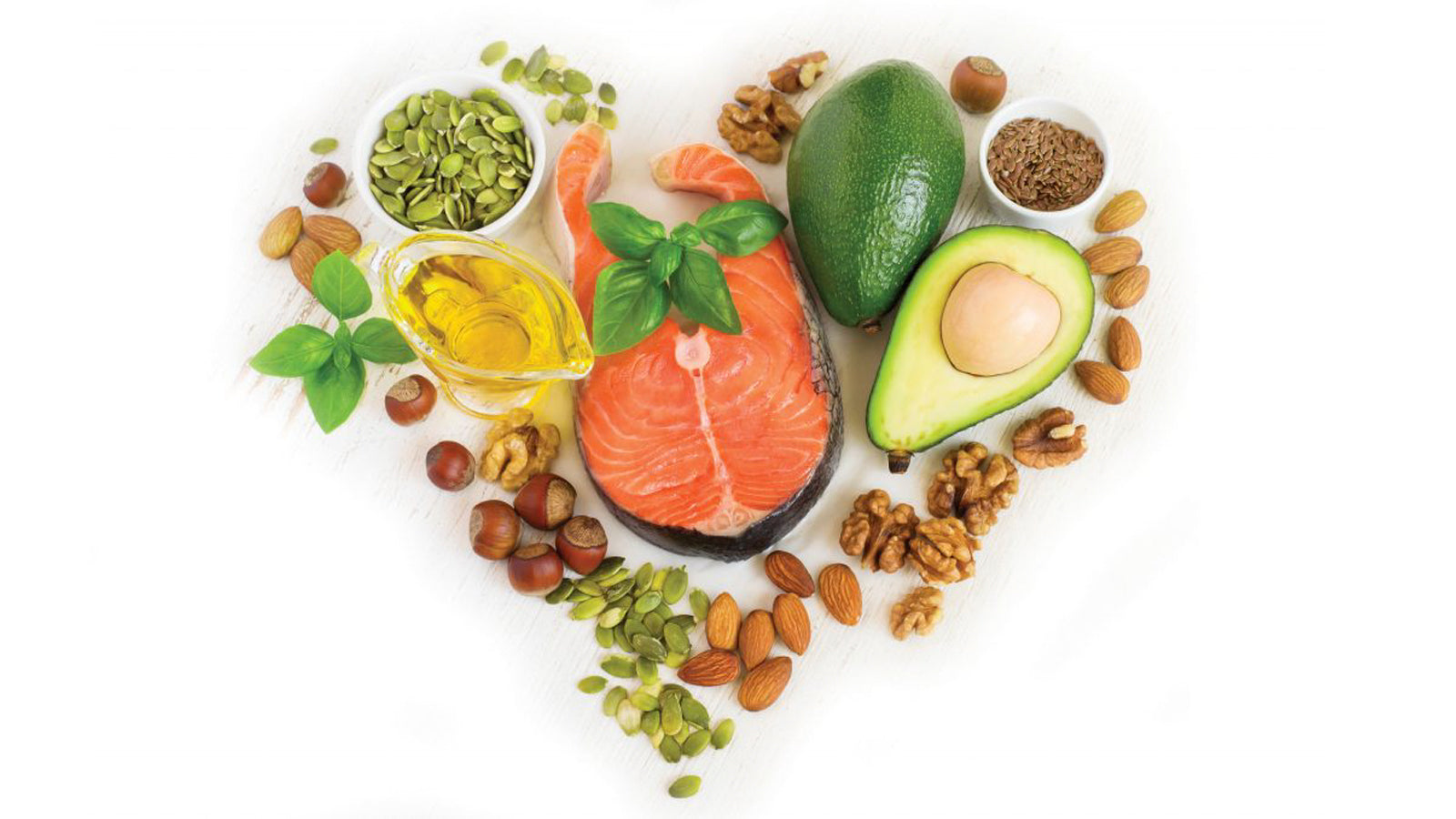
In today's culinary world, there's a growing awareness of the importance of healthy fats. While "fat" was once a word associated with guilt and dietary restrictions, it's now seen as a valuable component of a balanced diet. Healthy fats, such as those found in avocados, olive oil, nuts, and fatty fish, offer numerous health benefits, from supporting heart health to improving brain function. If you're looking to incorporate more healthy fats into your meals, you might be pleased to know that SENSARTE nonstick cookware can play a significant role in making your culinary journey even more enjoyable. Let's explore how SENSARTE nonstick cookware can help you cook delicious and nutritious meals with healthy fats. The Power of Healthy Fats Healthy fats are an essential part of a balanced diet. They provide a concentrated source of energy, support the absorption of fat-soluble vitamins like A, D, and E, and help you feel satisfied after a meal. Additionally, certain healthy fats, like those found in avocados and olive oil, are rich in monounsaturated and polyunsaturated fats, which are associated with improved heart health. Understanding Healthy Fats Before we dive into how SENSARTE cookware can make a difference, it's crucial to comprehend the different types of healthy fats and their benefits: Monounsaturated Fats: These fats are found in olive oil, avocados, and nuts. They're known to improve heart health and reduce bad cholesterol levels. Polyunsaturated Fats: Commonly found in fatty fish (like salmon and mackerel), flaxseeds, and walnuts, polyunsaturated fats are rich in omega-3 and omega-6 fatty acids, which are vital for brain function and reducing inflammation. Saturated Fats: While they should be consumed in moderation, certain saturated fats are beneficial. Coconut oil is one such example, known for its potential to raise good cholesterol levels. Trans Fats: These are artificial fats found in many processed foods. They're the ones to avoid as they can lead to health issues. SENSARTE Nonstick Cookware: Your Culinary Companion SENSARTE understands that your kitchen is a place of creativity and nourishment. That's why we offer a range of high-quality nonstick cookware designed to meet your cooking needs, especially when working with healthy fats. Efficient Heat Distribution: SENSARTE's nonstick pans are built to distribute heat evenly, ensuring your food cooks to perfection. Whether you're searing salmon with its omega-3 fatty acids or sautéing vegetables in heart-healthy olive oil, you can rely on consistent and efficient heat. Easy Food Release: Healthy fat-rich ingredients can be prone to sticking to cookware, but not with SENSARTE Cookware. Thanks to the advanced nonstick surface, you can cook with minimal oil and still enjoy easy food release, reducing the need for excessive fats in your recipes. Simple Cleaning: Cooking with healthy fats can sometimes lead to stubborn residues. SENSARTE Cookware simplifies cleanup. A gentle wipe with a sponge or cloth, and your cookware is ready for your next culinary adventure. Recipes to Get You Started Avocado Toast: Mash ripe avocados on whole-grain toast, sprinkle with a touch of sea salt, and drizzle with olive oil. It's a simple yet satisfying way to incorporate healthy fats into your breakfast. Salmon with Lemon-Dill Sauce: Sear a salmon fillet in a SENSARTE Nonstick Frying Pan and top it with a sauce made from Greek yogurt, lemon juice, and dill. This dish is rich in omega-3s and bursting with flavor. Nuts and Berries Salad: Toss mixed nuts and fresh berries in a bowl. Add a drizzle of extra virgin olive oil and a pinch of sea salt. It's a delightful and nutritious snack. Stir-Fried Veggies with Cashews: Sauté your favorite veggies in a SENSARTE Nonstick Sauté Pan and toss in some cashews. Finish with a stir-fry sauce made from sesame oil, soy sauce, and a touch of honey. Cooking with healthy fats doesn't just enhance the flavor of your meals; it also contributes to your well-being. With SENSARTE nonstick cookware, you can embrace the world of healthy fats with ease. Their efficient heat distribution, easy food release, and simple cleaning ensure that your culinary adventures are as enjoyable as they are nutritious. So, go ahead, experiment with avocado, olive oil, nuts, and fatty fish, and savor the benefits of healthy fats in your diet, all while making your cooking journey with SENSARTE nonstick cookware a delightful one.
Learn moreExploring the World of Gluten-Free Cooking: Delicious Options for Gluten-Free Diets
In recent years, gluten-free diets have gained popularity for various reasons. Some individuals adopt this diet due to celiac disease, a severe autoimmune disorder triggered by gluten ingestion. Others may choose it to alleviate gluten sensitivity or simply embrace it as a lifestyle choice for its potential health benefits. Regardless of the motivation behind going gluten-free, the world of culinary options has expanded exponentially to accommodate this dietary shift. If you're venturing into the realm of gluten-free cooking or are already an enthusiast, you'll find a treasure trove of delicious possibilities awaiting you. The key is to approach gluten-free cooking with an open mind, embracing new ingredients and techniques that can elevate your culinary experience. Understanding Gluten and Gluten-Free Diets First, let's clarify what gluten is. Gluten is a protein found in wheat, barley, rye, and their derivatives. For individuals with celiac disease or gluten sensitivity, consuming gluten can lead to digestive discomfort and long-term health issues. Hence, gluten-free diets have become crucial for managing these conditions. Essentials of Gluten-Free Cooking When transitioning to a gluten-free diet, it's essential to know which foods are naturally gluten-free and which are not. Here are some basics: Naturally Gluten-Free Foods: Fruits and Vegetables: Nature's bounty of fruits and vegetables is entirely gluten-free. They're versatile and can be used in various dishes, from smoothies to salads and stir-fries. Meats and Fish: Fresh cuts of meat, poultry, and fish are naturally gluten-free. However, be cautious of processed meats like sausages, which may contain hidden gluten. Dairy: Milk, cheese, yogurt, and butter are typically gluten-free. Ensure to check labels on flavored dairy products for any added gluten. Beans and Legumes: Beans, lentils, and chickpeas are excellent sources of protein in gluten-free diets. They can be used in soups, stews, and salads. Gluten-Free Grains and Alternatives: Rice: A staple in many cuisines, rice is naturally gluten-free and incredibly versatile. Quinoa: This protein-packed grain is gluten-free and perfect for salads, grain bowls, and as a side dish. Corn: Corn and its derivatives like cornmeal and cornstarch are gluten-free. Corn tortillas and polenta are popular gluten-free choices. Gluten-Free Flour: Various gluten-free flours like rice flour, almond flour, coconut flour, and tapioca flour are available for baking. Cookware for Gluten-Free Cooking When embarking on your gluten-free cooking journey, having the right cookware can make a significant difference. SENSARTE offers a range of nonstick cookware that's perfect for gluten-free cooking. Our nonstick surface ensures easy food release without the need for excess oil, making your gluten-free creations both healthier and hassle-free. Delicious Gluten-Free Recipes Now, let's dive into some delectable gluten-free recipes that will please your palate: Gluten-Free Pasta Primavera: Swap traditional pasta with gluten-free alternatives like rice or corn pasta. Toss it with fresh sautéed vegetables, olive oil, and your choice of gluten-free seasonings. Grilled Chicken with Quinoa Salad: Grill marinated chicken breasts to perfection and serve them alongside a colorful quinoa salad loaded with fresh veggies and a zesty dressing. Baked Salmon with Lemon Herb Crust: Coat salmon fillets in a gluten-free breadcrumb mixture made from gluten-free bread or cornflakes and bake until crispy. Gluten-Free Pizza: Experiment with gluten-free pizza crust made from cauliflower, almond flour, or a gluten-free flour blend. Top it with your favorite gluten-free toppings and enjoy a slice of heaven. Chocolate Flourless Cake: Indulge your sweet tooth with a decadent flourless chocolate cake made from high-quality cocoa and almond flour. Incorporating these recipes into your gluten-free cooking repertoire can bring joy and variety to your meals. With the right ingredients, cookware, and a dash of creativity, you'll discover that gluten-free cooking is not only manageable but also incredibly delicious. Gluten-free cooking has evolved, offering a wide range of scrumptious options to suit various tastes and dietary needs. Whether you're following a gluten-free diet due to health reasons or simply want to explore new culinary horizons, embracing gluten-free cooking can be a rewarding journey. Equip yourself with the right knowledge, cookware like SENSARTE's nonstick collection, and a sense of adventure, and you'll be on your way to creating gluten-free masterpieces that delight the senses.
Learn moreThe Nutritional Powerhouses: Unveiling the Health Benefits of Fermented Foods
Fermented foods have been a staple in diets across the world for centuries, thanks to their incredible flavors and impressive shelf life. But beyond their taste and preservation properties, these foods have another secret weapon hidden within them - their incredible health benefits. In recent years, there has been a resurgence of interest in fermented foods, not just for their tangy, unique flavors, but also for their potential to support our well-being. From sauerkraut to kimchi, kefir to kombucha, and yogurt to miso, fermented foods come in various forms and are packed with probiotics, enzymes, and nutrients that can enhance our health in numerous ways. Let's dive into some of the fantastic health benefits of incorporating more fermented foods into your diet: The Gut-Friendly Allies One of the most well-known advantages of fermented foods is their ability to promote gut health. Our digestive system is home to trillions of microorganisms, collectively known as the gut microbiome. These tiny inhabitants play a pivotal role in our overall health, influencing everything from digestion to our immune system. Fermented foods are packed with probiotics, which are live beneficial bacteria that aid in maintaining a balanced gut microbiome. These probiotics act as reinforcements for your gut's defense system, helping to combat harmful pathogens and promoting harmony within your digestive tract. Enhanced Nutrient Absorption Beyond gut health, fermented foods also have the remarkable ability to enhance nutrient absorption. The fermentation process can break down complex compounds in food, making nutrients more accessible to our bodies. For example, fermented dairy products like yogurt and kefir are not only easier to digest for those with lactose intolerance but also offer enhanced absorption of calcium and other essential minerals. Rich in Antioxidants Fermented foods are often teeming with antioxidants, compounds that help combat harmful free radicals in the body. These antioxidants can aid in reducing inflammation, which is at the root of numerous chronic diseases. Foods like kimchi, sauerkraut, and miso are replete with these health-boosting compounds. Improved Mental Health Emerging research suggests a strong connection between gut health and mental well-being. Fermented foods may play a role in this intriguing relationship. Probiotics found in these foods can communicate with the brain through the gut-brain axis, potentially influencing mood and behavior. While more research is needed in this area, early studies indicate that consuming fermented foods could have a positive impact on mental health. Boosted Immunity A robust immune system is your body's frontline defense against illness. Fermented foods can fortify this defense by promoting the production of antibodies and enhancing the activity of immune cells. Regular consumption of these foods may help reduce the risk of infections and seasonal illnesses. Top Fermented Foods to Try Fermentation is a diverse culinary practice, with various foods and beverages benefiting from this ancient technique. Some of the most popular fermented foods from around the world include: Yogurt and Kefir: These dairy products are fermented with specific bacterial strains, resulting in probiotic-rich, creamy concoctions. Kimchi: A spicy fermented cabbage dish hailing from Korea, kimchi is packed with probiotics, vitamins, and antioxidants. Sauerkraut: Fermented cabbage is a staple in many Eastern European cuisines, known for its sour tang and probiotic content. Miso: This Japanese paste is created by fermenting soybeans with salt and koji mold, yielding a savory, umami-rich condiment. Kombucha: A fizzy, fermented tea known for its probiotic content, kombucha has gained popularity as a refreshing, health-boosting beverage. Fermented foods are not just culinary delights; they are nutritional powerhouses that can significantly impact our health and well-being. Incorporating a variety of fermented foods into your diet can provide a wide range of health benefits, from improved gut health to enhanced nutrient absorption and beyond. So, whether you're savoring a spoonful of yogurt or relishing a plate of kimchi, know that you're not only indulging in delicious flavors but also nurturing your body from the inside out.
Learn moreFlavorful Dishes for Weight Management: Cooking Light and Healthy with SENSARTE
Maintaining a healthy weight is a goal that many of us strive for, and the journey towards achieving it can be made easier with the right approach to cooking. By preparing light and flavorful meals, you can support your weight loss goals while still enjoying delicious and satisfying dishes. Let’s explore some fantastic recipes and cooking tips to help you on your weight loss journey, all while using the reliable and efficient SENSARTE nonstick cookware. The Role of SENSARTE Nonstick Cookware in Healthy Cooking Before diving into the recipes, let's take a moment to appreciate the significance of using SENSARTE nonstick cookware in your healthy cooking endeavors. SENSARTE offers a range of high-quality nonstick cookware that can significantly reduce the need for excessive oils and fats in your recipes. The exceptional nonstick surface ensures that your food won't stick, allowing you to cook with minimal oil for a lighter and healthier outcome. With SENSARTE's nonstick cookware, you can sauté, grill, and fry your favorite ingredients to perfection, all while keeping your calorie count in check. Recipes for Weight Loss Grilled Lemon Herb Chicken: Marinate boneless, skinless chicken breasts in a mixture of lemon juice, minced garlic, and fresh herbs. Grill them in your SENSARTE Nonstick Grill Pan until tender and juicy. Serve with a side of roasted vegetables for a light and satisfying meal. Zucchini Noodles with Pesto: Use a spiralizer to turn zucchinis into noodle-like strands. Sauté them in your SENSARTE Nonstick Sauté Pan until tender. Toss with homemade pesto made from basil, pine nuts, garlic, and a touch of olive oil. Top with grated Parmesan for an easy, low-carb pasta alternative. Vegetable Stir-Fry: In your SENSARTE Nonstick Deep Frying Pan, stir-fry a colorful mix of bell peppers, broccoli, snap peas, and tofu in a savory sauce made from low-sodium soy sauce, ginger, garlic, and a splash of sesame oil. Serve over brown rice for a nourishing and flavorful meal. Cooking Tips for Weight Loss Opt for Lean Proteins: When cooking for weight loss, choose lean proteins like chicken, turkey, fish, tofu, or legumes. They are lower in calories and saturated fats, making them ideal choices for healthy meals. Load Up on Veggies: Incorporate plenty of colorful vegetables into your recipes. They are packed with vitamins, minerals, and fiber, helping you feel full and satisfied without excess calories. Use Herbs and Spices: Instead of heavy sauces and dressings, flavor your dishes with herbs and spices. They add depth and taste without unnecessary calories. Cooking for weight loss doesn't have to be bland or boring. With the right ingredients and SENSARTE nonstick cookware, you can create light and flavorful recipes that support your health and wellness goals. Experiment with these recipes and explore a world of nutritious and delicious possibilities to help you achieve your desired weight in a sustainable and enjoyable way. Also remember to pair your healthy cooking with regular exercise and a balanced lifestyle to attain the best results. Happy cooking and here's to a healthier and happier you!
Learn moreHow to Reduct Fat in Your Diet
1. Choose meat with the least amount of fat. 2. Remove fat. Trim off the fat you can see from meat and poultry.Remove the skin from poultry. Trim any visible fat from meat and poultry. Remove skin from poultry. Remove fat from canned meat. Buy tuna packed in water. Cool soups and stews, removing the solid fat layer from the top. 3. Cook meats by: Baking Microwaving Broiling Grilling Boiling Stir-frying Cook with little or no added fat. Use nonstick pans or spray with cooking spray. 4. Drain the fat after the mince is browned. To remove more fat, rinse the browned ground meat in hot water (not boiling). Then blot with paper towels. 5. Eat meat in moderation. Include more grains, fruits and vegetables in your meals. 6. Cook with less fat. Substitute low-fat or skim milk for whole milk in recipes. Replace cream in recipes with evaporated skim milk. Use a small amount of full-fat cheese, such as cheddar, or a low-fat cheese, such as part-skim mozzarella. Reduce the amount of fat in your recipes. Do not reduce fat if the fat content in the recipe is already reduced. Start by reducing the fat by ¼. For example, if the cake recipe calls for 1 cup of margarine, use ¾ cup of margarine. Fat can be reduced by½ in quick bread, muffins, and some soft cookie recipes. For example, if a muffin recipe calls for 1 cup of oil, use ½ cup. Replace chocolate and nuts with raisins or chopped fresh fruits or canned fruits. Substitute nonfat or reduced-fat sour cream or low-fat yogurt in place of sour cream. Reduce the amount of oil in homemade salad dressings. Try one part oil to two parts vinegar. 7. Replace whole milk with skim or low-fat milk. It might be easier to take it one step at a time. Start by switching from whole milk to 2% low-fat milk. After that, switch to 1% low-fat milk, then switch to skim milk. 8. Add less fat to your food. A small amount of these extra fats adds up to a lot of fat. Use these with caution: Butter or Margarine Sour Cream Oil or Shortening Salad Dressing Cream Cheese Mayonnaise Bacon Grease or Bacon Tartar Sauce Non-dairy Creamer 9. There are many foods that taste good and have little fat. Replace high-fat foods with fat-free or low-fat foods. Sandwiches: Use mustard, ketchup, low-fat or non-fat salad dressing, onions, tomatoes, lettuce, and sprouts. Vegetables, Soups, and Dry Beans: Season vegetables with low-fat margarine sauce, onion, garlic, lemon juice, spices, salsa, or vinegar. Substitute lean diced ham, smoked turkey, or bouillon for fatty meats like bacon to flavor soups and bean dishes. Bread, Muffins, and Rolls: Use jams, jelly, fruit spreads, or a small amount of low-fat margarine or a low-fat spreads. Pasta, Potatoes, and Rice: Use low-fat margarine or low-fat yogurt on potatoes. Rice and pasta do not require added fat in the cooking water.
Learn more