


Blogs
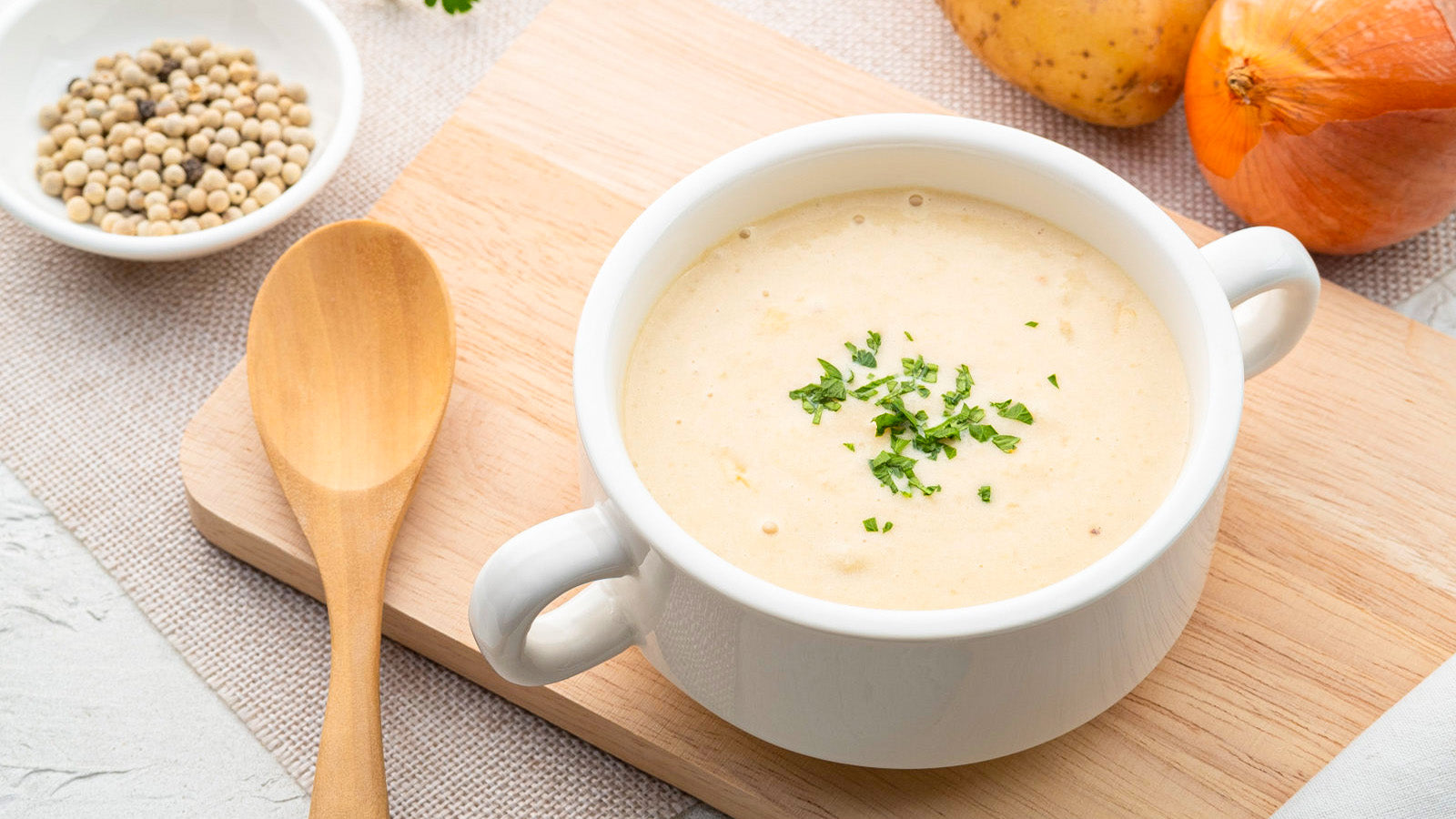

Culinary Precision in the Kitchen: A Guide to Cooking Basics and Measuring Techniques
Cooking is an art, and like any art form, it requires precision and attention to detail. One of the fundamental aspects of successful cooking is accurate measuring. Whether you're a seasoned chef or a novice in the kitchen, understanding the basics of measuring is crucial for achieving consistent and delicious results. In this comprehensive guide, we'll explore the importance of measuring, different measuring tools, and tips for precise measurements. The Importance of Accurate Measurements Accurate measuring is the backbone of successful cooking. It ensures that the right balance of ingredients is achieved, leading to the desired taste and texture in your dishes. Here's why precise measurements matter: Precision in Baking: Baking is often likened to chemistry, where exact measurements can make or break a recipe. Too much or too little of an ingredient, especially in recipes involving flour, sugar, or leavening agents, can significantly alter the texture and taste of the final product. Balancing Flavors: In cooking, especially in savory dishes, balance is key. Measuring ingredients like salt, spices, and acids ensures that your dish is well-seasoned and harmonious. Too much salt can overpower other flavors, while too little can leave a dish tasting bland. Consistency in Replication: If you've ever created a culinary masterpiece, you'd want to replicate it. Accurate measurements are the key to consistency. Whether it's your secret sauce or the perfect cookie recipe, precise measurements ensure that each iteration is as delightful as the last. Essential Measuring Tools Measuring Cups: These come in various sizes and are used for both dry and liquid ingredients. For dry ingredients, use a flat-edge utensil to level the ingredient with the rim of the cup. For liquids, place the measuring cup on a flat surface and check at eye level for an accurate measurement. Measuring Spoons: These are indispensable for precise measurements of small amounts of ingredients like spices, baking powder, or vanilla extract. Ensure that the ingredients are level with the measuring spoon for accuracy. Kitchen Scale: A kitchen scale is excellent for measuring ingredients by weight, providing the most accurate results. It's especially useful for baking where precision is crucial. Tips for Precise Measurements Use the Right Tools: Ensure you are using the correct measuring tools for dry and liquid ingredients. For example, measuring cups for flour and measuring spoons for extracts. Level Dry Ingredients: When measuring dry ingredients, use a flat edge to level off excess. This ensures you're not using more than the recipe requires. Check Expiry Dates: Especially in baking, where leavening agents like baking soda and baking powder play a crucial role, ensure your ingredients are fresh and haven't expired. Use Clear Measuring Cups for Liquids: For liquids, use measuring cups with clear markings and measure at eye level for accuracy. Proper Technique: When measuring flour, spoon it into the measuring cup and level it off. Don't scoop directly from the bag, as it can compress the flour, leading to inaccurate measurements. Tare the Scale: When using a kitchen scale, place your container on the scale and "tare" or zero it out. This way, you're only measuring the weight of the ingredient you're adding. Understand Metric Conversions: Familiarize yourself with metric measurements, especially if you're following a recipe that uses grams and milliliters. Mastering the art of measuring is a fundamental step towards becoming a confident and skilled cook. Whether you're baking a cake, preparing a sauce, or cooking a savory dish, precision in measurements is your secret ingredient for culinary success. Invest in quality measuring tools, follow best practices, and watch as your cooking reaches new heights of flavor and consistency. Here's to joyful and precise cooking!
Learn more